 Foto: Markus Winkler / Pexels
5 War Preparedness Myths Fact-Checked
War preparedness is only for paranoid people? Germany is too safe? 5 common myths about crisis preparedness in potential conflict situations — and what's really true.
Myth 1: "War Can't Reach Western Europe — We're NATO Members"
Reality: NATO is a collective defense alliance, but not an infallible shield. Russia's attack on Ukraine — despite Western support — shows that geopolitical assumptions aren't unshakeable.
Defense ministries across Western Europe actively plan scenarios for direct threats. Increased defense spending (2% GDP target now being met) reflects this assessment.
Myth 2: "If War Comes, Everything is Lost Anyway"
Reality: This nihilistic attitude is factually wrong and psychologically destructive. Ukraine shows daily that civilian populations in war zones survive, adapt, and maintain their communities.
War doesn't mean the immediate collapse of all society. Regions outside direct combat often function with reduced but existing infrastructure.
Myth 3: "Preppers and War Preparedness Are the Same Thing"
Reality: American survivalist culture is a subculture phenomenon. War preparedness as a state and societal task is fundamentally different.
Sweden, Finland, and Norway have comprehensive state crisis preparedness programs — without their citizens being considered extremists.
Myth 4: "Food Supplies Don't Help in War"
Reality: In conflicts, supply disruption is one of the first problems. Supply chains break down, stores empty quickly, payment systems can fail.
A 4-week supply of food and water is designed exactly for such scenarios.
Myth 5: "The Military and Authorities Will Take Care of Me"
Reality: State capacities are limited. In a defense situation, authorities face overwhelming tasks. Self-sufficiency capability for at least 72 hours is essential.
Official recommendations explicitly state: be self-sufficient for the first 72 hours. In extreme scenarios, longer.
What Sensible War Preparedness Means
- Basic crisis preparedness (food, water, medications)
- Communication plan with family
- Knowledge of evacuation routes
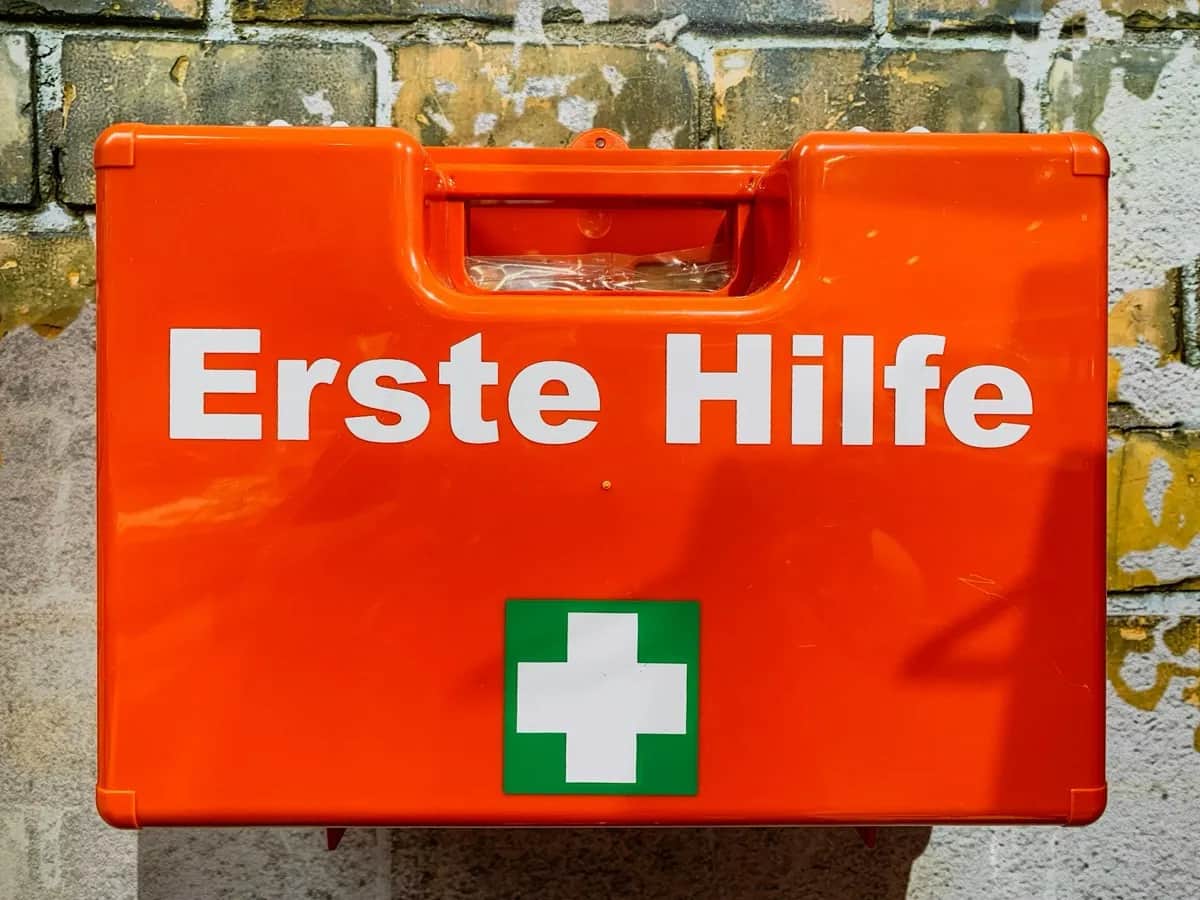
- First aid knowledge
- Knowing information sources (emergency apps, official broadcasts)