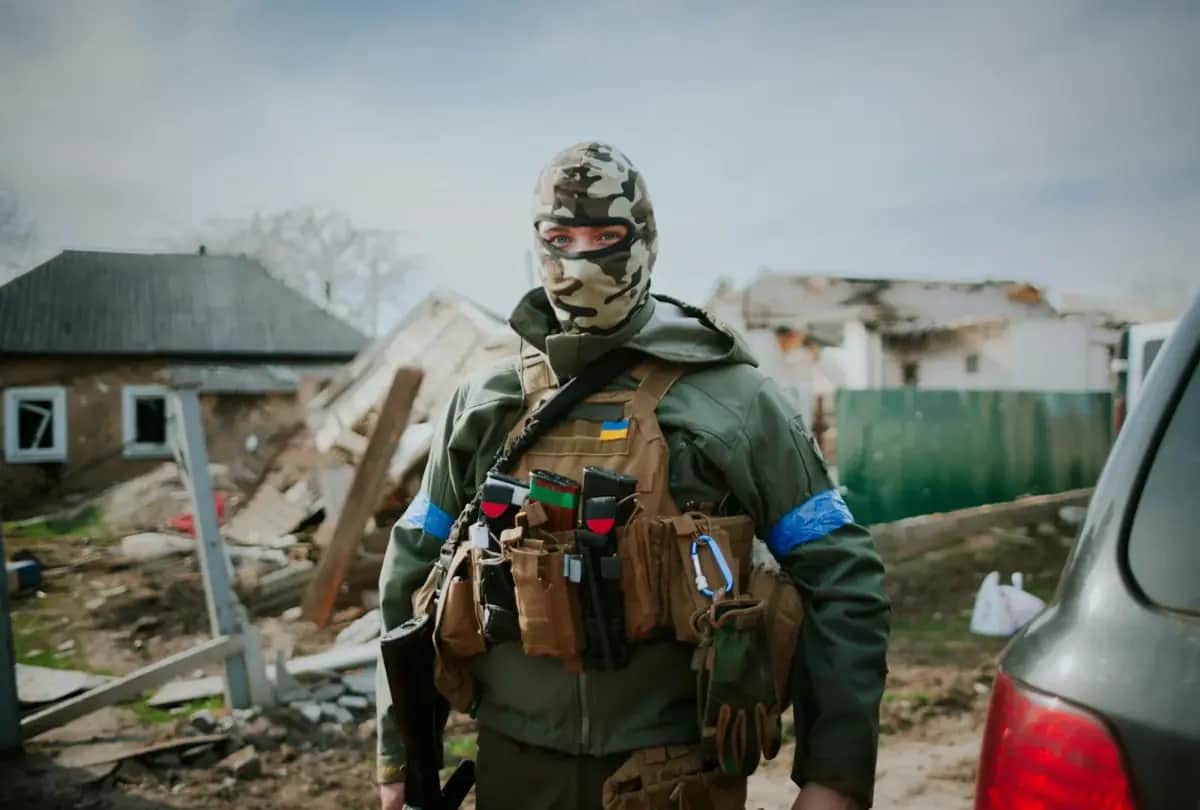
 Foto: Roman Biernacki / Pexels
War Preparedness for Families with Children: How to Prepare (Without Scaring Them)
How do you prepare your family for a war scenario without traumatizing children? Age-appropriate communication, practical steps, and what matters most.
The Core Tension
Preparing children for crisis scenarios requires navigating two competing risks: underreacting (leaving them unprepared and frightened by events they don't understand) and overreacting (creating anxiety about unlikely worst-case scenarios).
The evidence from child psychology and emergency preparedness research consistently points the same direction: age-appropriate, honest, calm communication reduces anxiety — it doesn't increase it.
What Children Actually Need
Safety, not certainty
Children don't need to know that everything will be fine. They need to know:
- Adults around them are taking care of things
- There is a plan
- Their feelings are valid
Understanding proportionate to their age
A 5-year-old needs: "Sometimes the grown-ups who keep us safe make extra preparations in case something unusual happens. We do that too, and it means we're ready."
A 12-year-old can handle: "There's more tension between some countries than usual. Our government advises people to have extra supplies, so we're doing that. It's like having a spare tire."
A 16-year-old can engage with: "Here's what's happening geopolitically, here's what the civil defense guidance says, here's what we're doing and why."
Practical Steps by Age Group
Young children (ages 4-8)
- Include them in preparation activities in a matter-of-fact way: "We're filling our emergency bag. Want to help pick which snacks go in?"
- Don't discuss geopolitical details at this age — the concept is too abstract and produces generalized anxiety
- Focus on the plan: "If anything unusual happens, we go to [meeting point] and find each other."
- Practice the meeting point — treat it like a fire drill
Older children (ages 9-14)
- Explain the why in age-appropriate terms without catastrophizing
- Give them a role: responsibility reduces anxiety — "You're in charge of the emergency radio bag"
- Address questions honestly: if you don't know something, say so
- Normalize preparation: "Many families are doing this; it's sensible, not scary"
Teenagers (ages 15+)
- Have real conversations — teenagers who aren't informed will fill gaps with social media, which is worse
- Explain your reasoning and decision-making process
- Give them significant responsibility in family preparedness
- Acknowledge uncertainty honestly
What Not To Do
- Don't lie or minimize if children ask direct questions — they'll sense evasion and worry more
- Don't have adult discussions within earshot of younger children
- Don't dramatize or over-discuss — matter-of-fact tone matters enormously
- Don't use children's fear as motivation for preparedness ("we need to prepare because it's very dangerous")
The Family Communication Plan
Every child old enough to use a phone should know:
- Family meeting point (primary and backup)
- One out-of-area contact to coordinate through
- Basic plan for what to do if parents can't be reached
Practice this — not as a frightening exercise, but as a practical skill like knowing your home address.
If Children Are Already Anxious
Some children pick up on news and become anxious. For these children:
- Acknowledge the feeling: "I can see this worries you."
- Provide context without dismissing: "It's reasonable to take this seriously. We are. That's why we have these preparations."
- Focus on agency: "Here's what we can do, and here's what we've already done."
- Limit news exposure for younger children during high-tension periods
The goal is not to eliminate all worry — some worry about genuine threats is appropriate. The goal is worry that motivates sensible action rather than paralyzes or traumatizes.
Recommended Products
As an Amazon Associate we earn from qualifying purchases. Buying through our links supports the development of this app at no extra cost to you.