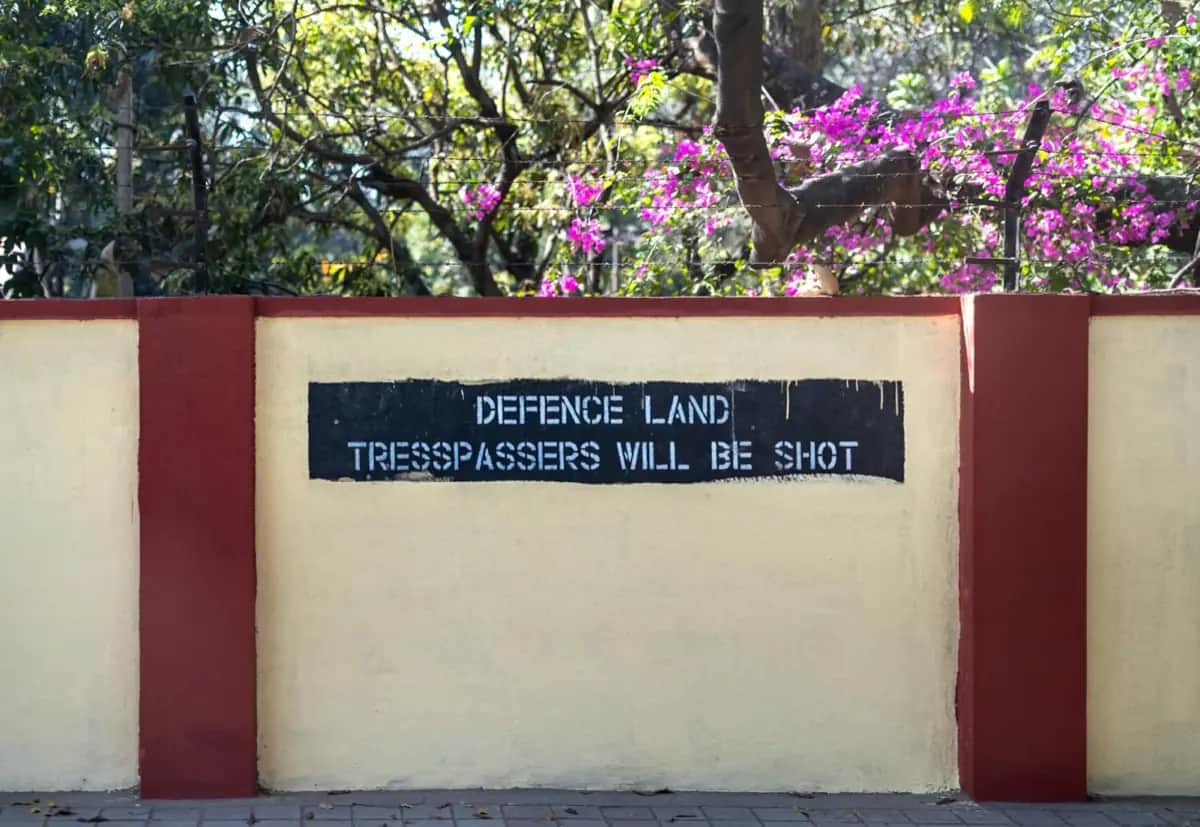
 Foto: Marek Piwnicki / Pexels
6 War Preparedness Mistakes Most Germans Make
These 6 common mistakes in preparing for armed conflict scenarios leave households dangerously underprepared. Identify and fix them before they matter.
Why Preparedness Mistakes in This Category Are Common
Preparedness for armed conflict is uncomfortable. It forces engagement with scenarios most people prefer not to think about. This discomfort leads to either complete avoidance — doing nothing — or reactive, poorly-planned preparation driven by anxiety rather than clear thinking.
Both paths produce mistakes. Here are the six most common ones.
Mistake 1: Treating This as Different from Normal Emergency Preparedness
The first and most pervasive mistake is treating "war preparedness" as a fundamentally different category from general emergency preparedness — leading either to dismissing it entirely ("I'm not a prepper") or overcomplicating it ("I need a bunker and tactical gear").
The reality: 90% of what armed conflict impacts is civilian infrastructure. Power supply, water treatment, food distribution, communications, healthcare. These are exactly what standard emergency preparedness addresses.
A household with:
- 4-week food and water supply
- Alternative heating
- Battery-powered radio
- Full document kit
- Cash reserve
- Community connections
...is dramatically better prepared for an armed conflict scenario than a household with none of these things — regardless of tactical equipment.
Start with the basics. They're the same for every crisis.
Mistake 2: No Portable Document Kit
In conflict scenarios, documentation becomes critically important. Access to emergency housing, cross-border travel, medical care, financial services — all may require proof of identity, medical history, or property ownership.
Most households have their documents scattered: birth certificates in a drawer, insurance policies in a binder on a shelf, passports in a coat pocket.
The fix: Create a single waterproof, sealed document kit that can be grabbed in a moment:
- Passport and ID (originals or high-quality copies)
- Insurance documents
- Medical records and medication list
- Property or rental documents
- Cash (€500–1,000 in mixed denominations)
- USB drive with scanned backup of everything
Store in a known, accessible location. Every adult in the household should know where it is.
Mistake 3: No Evacuation Plan
When authorities issue an evacuation order, the people who have a destination and a route in mind already are the ones who leave quickly and calmly. Those without a plan contribute to traffic chaos, make poor decisions under stress, and often leave too late.
A minimal evacuation plan includes:
- Primary destination (family, friend, or known safe location)
- Alternate destination in a different direction
- Printed map with both routes marked
- Fuel: full tank habit or jerry can
- Knowledge of gas stations along both routes
Spending 30 minutes on this now prevents hours of confused decision-making during an actual event.
Mistake 4: Depending on a Single Communication Channel
"I'll just check my phone" is not a communication plan. Mobile networks saturate immediately during emergencies (everyone calls at once) and fail within 8–24 hours of a major power outage when cell tower backups run down.
Communication redundancy for conflict scenarios:
- Battery or hand-crank radio: official emergency broadcasts work even when private communications fail
- Written contact list (family members, meeting points, doctor, local authority emergency number)
- Family communication plan: designated meeting point, check-in schedule, out-of-area contact person
- Basic understanding of how to reach each other if mobile networks fail entirely
The radio is the most important item. It keeps you connected to official information when everything else has failed.
Mistake 5: Ignoring Community Connections
Individual preparedness is necessary. It is not sufficient. Historical analysis of armed conflicts and major disasters consistently shows that community networks — people who know their neighbors and have some basis for mutual aid — dramatically improve outcomes.
This is not about dramatic communal fortifications. It is about:
- Knowing your neighbors' names and basic situations
- Knowing who is elderly, ill, or alone and may need help
- Having an informal understanding that you look out for each other
- Identifying who has useful skills (medical, mechanical, carpentry, language)
These connections cannot be created quickly when a crisis hits. They develop over time through normal community interactions. Now is the time to build them.
Mistake 6: Panic-Buying Without a System
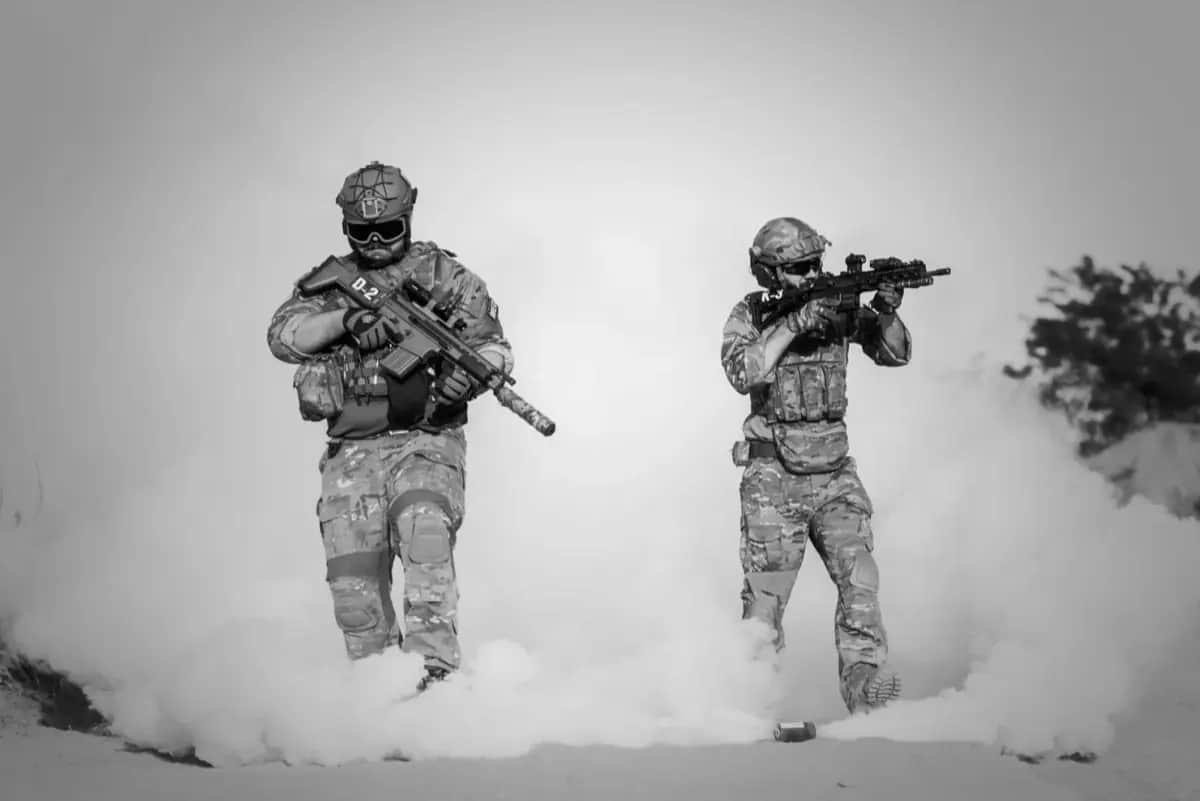
Anxiety about conflict scenarios often triggers reactive purchasing: expensive tactical gear, exotic survival equipment, freeze-dried food from internet suppliers, first aid equipment with no training to use it.
This spends significant money without addressing the most critical gaps. A €300 tactical vest provides near-zero utility for civilian crisis preparedness. The same €300 spent on:
- Water storage containers and water
- 4-week food supply (shelf-stable normal food)
- Battery radio and power bank
- Cash reserve
...provides vastly more practical resilience.
The systematic approach:
- Identify your actual gaps against a standard emergency checklist
- Prioritize by impact: water → food → communication → warmth → documents
- Purchase incrementally, starting with the highest-impact gaps
- Avoid tactical/military aesthetics (they draw attention; they're rarely relevant to civilian scenarios)
Summary
| Mistake | Fix |
|---|---|
| Treating conflict preparedness differently | Start with standard emergency prep; it's 90% the same |
| No document kit | Single waterproof portable kit; everyone knows where it is |
| No evacuation plan | Two destinations, two routes, printed maps, fuel habit |
| Single communication channel | Battery radio + written contact list + family plan |
| No community connections | Know neighbors now; support vulnerable people |
| Panic buying | Systematic gap analysis; prioritize water/food/communication |
Preparedness for armed conflict scenarios is not complicated. It is uncomfortable. Those who push through the discomfort and prepare systematically are better positioned for any crisis — not just the specific scenarios they imagined when they started.
Recommended Products
As an Amazon Associate we earn from qualifying purchases. Buying through our links supports the development of this app at no extra cost to you.