 Foto: Ron Lach / Pexels
Urban Prepping for Beginners: What You Need in a Rental Apartment
Crisis preparedness in the city and rental apartment: what is realistic, what is unnecessary? The beginner's guide to urban crisis preparedness.
Urban Prepping for Beginners: What You Need in a Rental Apartment
Urban prepping is crisis preparedness for city people in rental apartments. No basement, no garden, no workshop — and still well-prepared.
What You DON'T Need in a Rental Apartment
Forget solar installations, whole-house water filtration, long-term generators. These things are for homeowners. As a renter, focus on what's feasible.
The Urban Basic Equipment
Water supply: 15-30 liters of drinking water (depending on household size). Purchasable in PET bottles, storable under the bed.
Food supply: 2-4 weeks of staple foods. Rice, pasta, legumes, canned goods. No basement needed — a regular closet suffices.
Lighting: At least two flashlights plus spare batteries. Candles with holders. Crank radio.
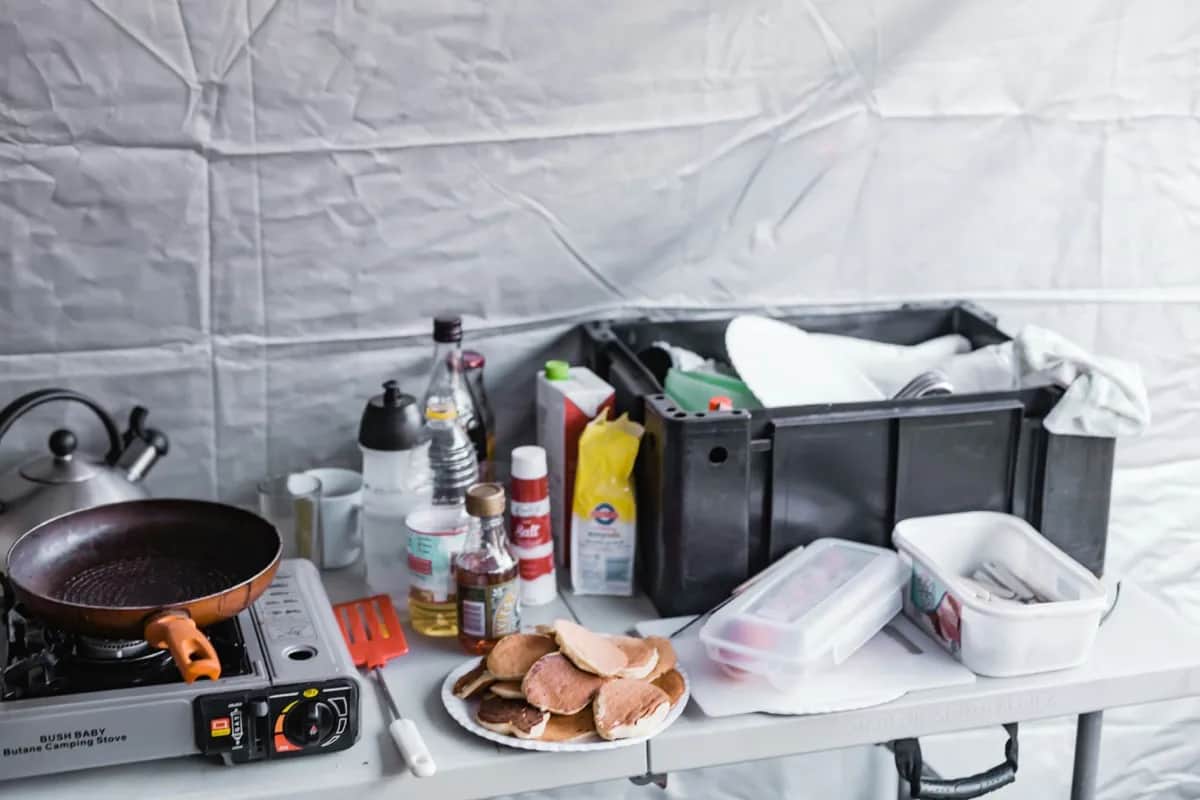
Cooking without electricity: A camp stove with sufficient gas cartridges (indoor-safe!) or an alcohol stove. Warning: never open flames without ventilation!
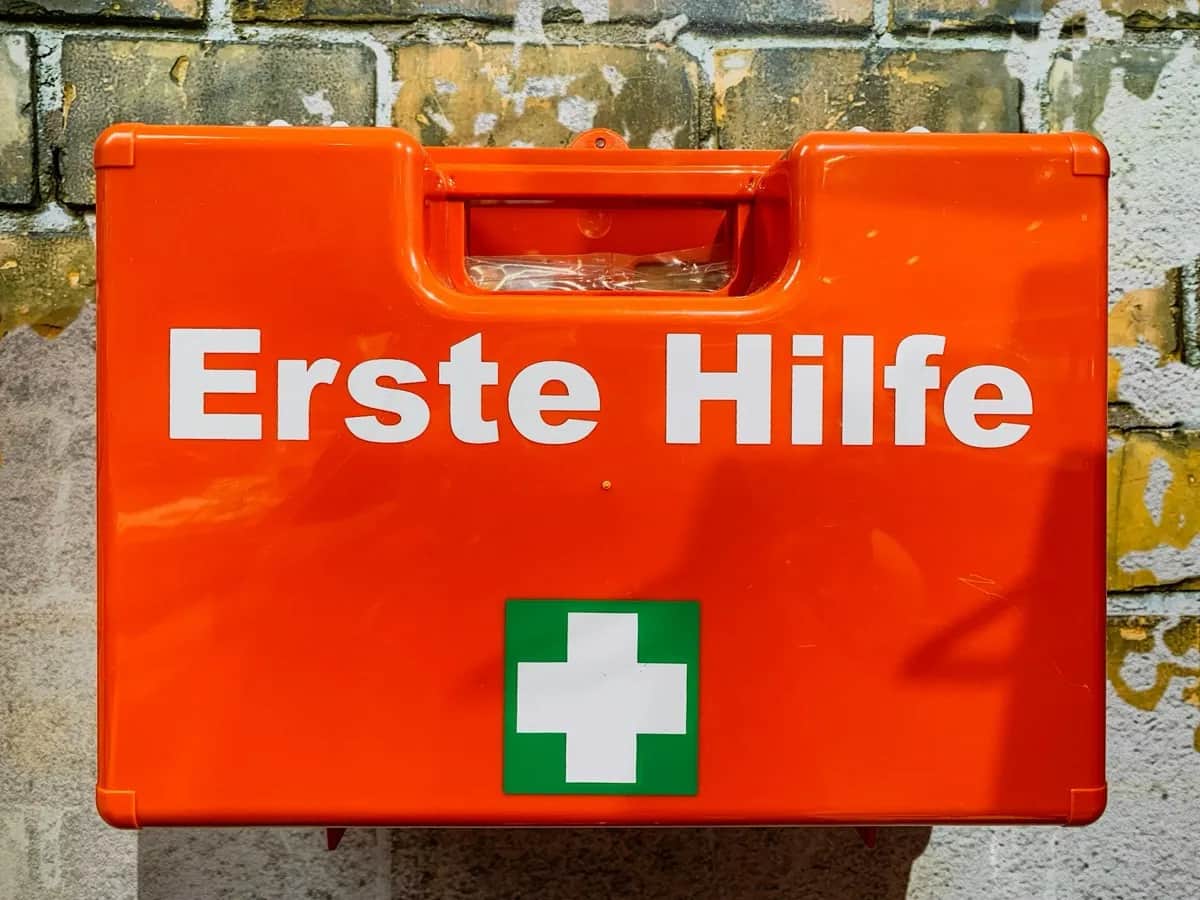
First aid: First aid kit, regularly checked.
Documents: Important documents copied and in a waterproof sleeve.
The Urban Crisis Preparedness Special: Evacuation Plan
In the city, an evacuation is more likely than in rural areas (chemical accident, unexploded ordinance, flooding). Plan: Where do you go? Which route do you take? Who comes with you? What do you take (emergency backpack)?
The Biggest Urban Advantage: Community
In dense residential neighborhoods, there are many neighbors. A good network — knowing who's who, who needs help, who has which skills — is the strongest crisis preparedness tool in urban settings.