 Foto: Towfiqu barbhuiya / Pexels
The Ultimate Blackout Guide: Surviving an Extended Power Outage
Complete guide to blackout preparation in Germany and beyond: water, food, warmth, communication, and community resilience for 72 hours to 2 weeks without power.
What Is a Blackout and Why Is It a Real Risk?
A blackout is not the same as your neighbor's fuse tripping. It is a large-scale, multi-day collapse of the power grid affecting entire regions or countries. Causes range from extreme weather events and cyberattacks on critical infrastructure to cascading failures in the European interconnected grid or geopolitical escalations.
Germany's Federal Office for Civil Protection and Disaster Assistance (BBK) has raised its self-sufficiency target to 72 hours. Infrastructure security experts such as Austria's Herbert Saurugg consider a Europe-wide blackout lasting one to two weeks to be a realistic risk scenario.
The bad news: most German and European households are not prepared for such an event. The good news: targeted measures can dramatically improve your family's resilience.
Phase 1: Water — First Priority (0–24 Hours)
Water is survival-critical. During a prolonged blackout, the water pressure in apartment buildings fails within hours — pumps stop working without electricity.
Immediate actions when the lights go out:
- Fill all available containers (bathtub, pots, jerrycans) immediately
- Use a WaterBOB or similar bathtub liner — holds up to 450 liters
- Separate drinking water from non-drinking water
Advance preparation (do this now):
- Buy 20-liter food-grade HDPE jerrycans and fill them (goal: 5 liters/person/day × 14 days)
- Keep a water filter ready (LifeStraw, Katadyn BeFree, or Sawyer Squeeze)
- Stock water purification tablets (Micropur forte or Aquatabs) for chemical disinfection
- Store collapsible jerrycans for collecting water from public sources (fire services distribute water during blackouts)
Phase 2: Food — 72 Hours to 14 Days
Without power, your refrigerator fails. Refrigerated food spoils within 4–6 hours (a sealed fridge buys a little more time). Priority: eat what's perishable now, save the shelf-stable items for later.
Immediate actions:
- Keep the refrigerator closed — every opening accelerates warming
- Consume frozen food within the first 24 hours (still safe) or store it outside in winter
- Move perishables to a neighbor with a gas-powered fridge if available
Ideal emergency food stockpile (per person for 14 days):
- 7 kg legumes (lentils, chickpeas, beans) — protein, no refrigeration needed, long shelf life
- 5 kg whole-grain pasta or rice
- 3 kg oats
- 30 mixed cans (vegetables, fish, meat, soups)
- 2 kg nuts and dried fruit
- Honey, nut butter, crispbread, rusks
- Manual can opener (don't forget this)
Rotate your stockpile regularly: eat what you store, store what you eat.
Phase 3: Heat and Lighting
Warmth in Winter
Many modern gas heaters require electricity for the control unit and circulation pump — they do not function during a blackout. Check now whether your heating system depends on power.
Staying warm without central heating:
- Create a "warm room": gather all household members in one room, close the door, and use shared body heat
- Keep sleeping bags rated for at least -10°C ready
- Thermal clothing (merino wool, fleece) for every family member
- Plenty of wool blankets
- A wood-burning or pellet stove is the best long-term investment for crisis resilience
Candle heater (Teelichtofen): A simple two-terracotta-pot candle heater generates warmth for a small room. Never run it without ventilation — carbon monoxide poisoning risk.
Lighting
- Flashlights with batteries (distributed throughout the home)
- Headlamp to keep both hands free (essential)
- Candles in secure holders (fire hazard — always supervised)
- Solar lanterns for outdoor use
- Battery-powered LED lamps for extended runtime
Phase 4: Energy and Communication
Charging Phones and Devices
Cell towers fail after 8–24 hours (backup batteries drained). Use the first hours to communicate and charge devices.
Energy reserves:
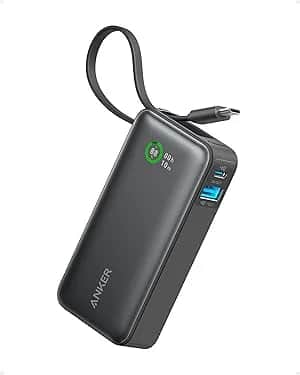
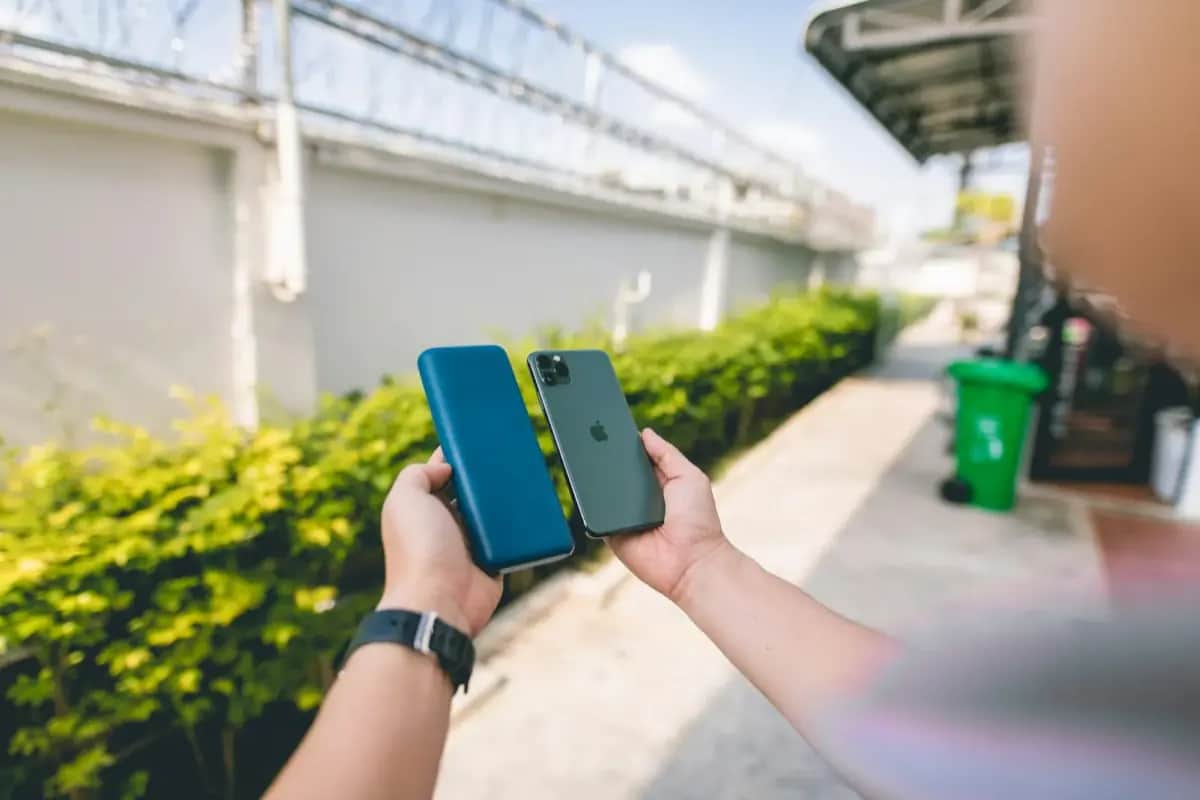
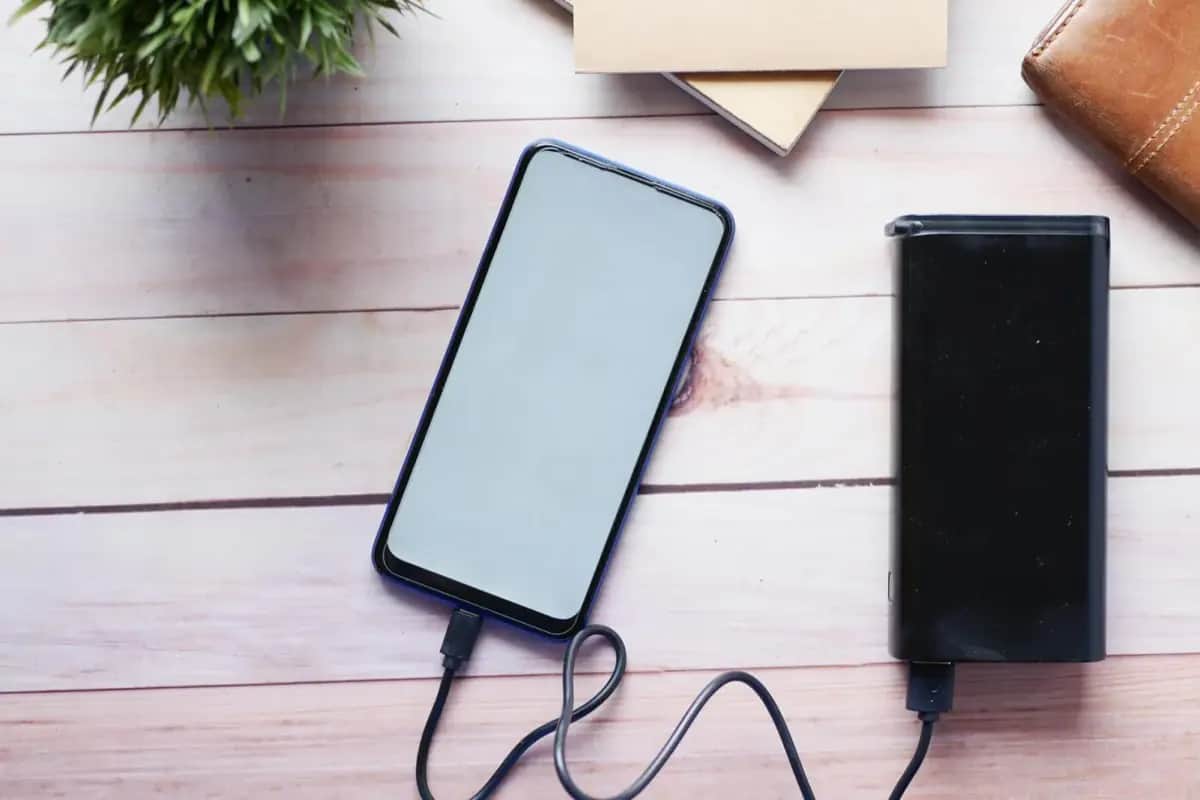
- Power bank with 20,000+ mAh: charges a smartphone 5–6 times
- Solar panel for the balcony: charges power banks and phones during daylight
- Car battery as an emergency power buffer (with an appropriate inverter)
- Portable power station (EcoFlow, Jackery) for larger energy needs
Information Sources Without Internet
- Hand-crank or battery-powered DAB+/FM radio: the BBK and authorities use broadcast radio as an emergency channel
- Write critical phone numbers on paper (112, local authority, family, doctor)
- Establish a family meeting point — for situations where you might be separated
Phase 5: Sanitation and Hygiene
Toilets Without Water Pressure
When water pressure fails, you can still flush a toilet by pouring water directly into the bowl (10–15 liters). As a last resort: camping toilet with bags and disinfection.
Hygiene stockpile:
- Hand sanitizer (no electricity or water needed)
- Wet wipes for personal hygiene without hot water
- Large quantities of garbage bags
- Protective gloves
Phase 6: Medicine and First Aid
Life-critical medications first:
- Build a 30-day supply of regular medications (discuss with your doctor)
- Insulin storage without refrigeration: opened insulin remains usable for up to 28 days at room temperature
- Extended home medicine cabinet: pain relievers, thermometer, wound care supplies, allergy medications
Refresh your first aid knowledge: A blackout scenario can produce medical emergencies where no ambulance arrives. Basic skills in wound care and CPR are essential.
Checklist: Blackout Basic Equipment
| Category | Priority | Approximate Cost |
|---|---|---|
| 20-liter water jerrycans (5 units) | Critical | €30 |
| Water filter (LifeStraw or Sawyer) | High | €30–60 |
| Camp stove + 5 gas canisters | Critical | €40 |
| 14-day food stockpile (basic) | Critical | €100–150 |
| Power bank 20,000 mAh | High | €40 |
| Hand-crank radio with DAB+ | High | €40–80 |
| Flashlights (3) + batteries | Critical | €30 |
| Extended first aid kit | High | €30 |
| Sleeping bags (rated to -10°C) | Medium | €50–100 |
Total for basic kit: approximately €350–500 — a one-time investment for maximum resilience.
The Social Dimension: Neighborhood Is Your Strongest Asset
No household can hold everything alone. The most powerful form of crisis preparedness is an informed, cooperating network of neighbors.
- Talk to your neighbors now — not when it happens
- Identify who has which resources (gas stove, generator, medications, skills)
- Create an informal mutual-aid network
- Pay special attention to vulnerable people: elderly neighbors, people with disabilities, those living alone
Conclusion: Start Step by Step
Don't overwhelm yourself. Begin with these three steps this week:
- Water: Buy 5 jerrycans and fill them
- Food: Build up a 3-day food supply
- Light: Make sure you have a working flashlight and fresh batteries
Then expand gradually. Emergency preparedness is not a one-time event but an ongoing process of continuous improvement.
Recommended Products
As an Amazon Associate we earn from qualifying purchases. Buying through our links supports the development of this app at no extra cost to you.