 Foto: Kelly Sikkema / Unsplash
7-Day Blackout Survival Plan: Day by Day Through the Power Outage
Your detailed daily plan for a week without power - from day 1 to day 7, with concrete action steps.
Why a Day-by-Day Plan Matters
A multi-day power outage doesn't feel the same on day 1 as it does on day 5. The priorities change, the challenges evolve, and the decisions that matter shift significantly.
Without a plan, people make predictable mistakes: opening the refrigerator too often on day 1 (losing precious cold), using too much water in the first two days, draining all devices before realizing solar charging exists, and failing to connect with neighbors until after resources are exhausted.
This guide gives you a concrete daily structure for 7 days without power. Prerequisite: you have a basic emergency supply — at minimum 3 gallons of water per person and 72 hours of food. If you don't have that yet, read our 72-Hour Emergency Supply guide first.
Day 1: Assess and Triage
Hours 1-3 post-outage:
The first impulse many people have is to wait it out. Don't assume it'll be back in a few hours. Plan as if it won't.
Hour 1 — Immediate actions:
- Check your circuit breaker panel first — is this a local fault or a grid outage?
- Turn on a battery-powered or hand-crank radio and find your local emergency station (NOAA Weather Radio in the US)
- Charge every device immediately: smartphones, power banks, rechargeable headlamps
- Let family members and your closest neighbors know you're aware of the situation
Hours 2-4 — Refrigerator triage:
A full, closed refrigerator stays safe for 4-6 hours. A full freezer holds safe temperatures for 24-48 hours. Plan accordingly.
- Create a list of everything perishable in your refrigerator and freezer
- Prioritize a consumption order: fresh meat and fish today, dairy tomorrow, frozen goods over 2-3 days
- Open the fridge as rarely as possible — every opening costs 30-45 minutes of safe temperature
- In winter: move perishables to an unheated garage, car trunk, or cooler outdoors
Hours 4-8 — Water security: Immediately fill every available container with tap water. Municipal pumping stations can fail within hours if their backup generators run out of fuel. Don't wait until water pressure drops.
Day 2: Establish Your New Routine
The second day is about transitioning from crisis mode to sustainable routine. Panic decisions happen on day 1; day 2 is when you start adapting.
Morning routine without power:
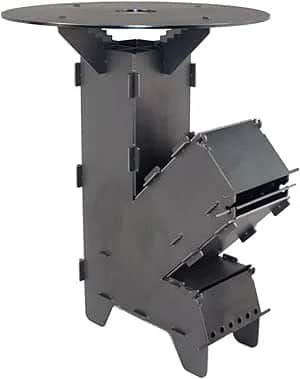
- Camp stove or propane burner for hot water: coffee, tea, oatmeal, instant soup
- Cold-water washing instead of showering (conserves hot water and water supply)
- Daylight-based schedule: major activities during daylight, wind down at dusk
Water inventory: Count exactly how much water you have and calculate your daily ration.
Formula: Total liters available ÷ number of people ÷ number of days remaining = liters per person per day
Example: 40 liters for 2 people for 7 days = 2.9 liters per person per day
- 2 liters for drinking
- 0.9 liters for cooking, hygiene, and other uses
Write this number down. Stick to it.
Hygiene adaptation:
- Wet wipes replace daily showers (use sparingly — they go fast)
- Minimal water tooth brushing (0.5 cup is enough)
- Hand sanitizer gel reduces soap and water consumption
- Minimize toilet flushing if your water supply is limited
Days 3-4: Activate Your Community
By day 3, one reality is clear: this isn't a 6-hour outage. This is a real event. Now is the time to stop treating it as a solo experience.
Reach out to neighbors:
- Simply knock on doors — "How are you managing?" opens every conversation you need
- Ask specifically about vulnerable neighbors: elderly people living alone, anyone with medical equipment (insulin refrigeration, oxygen concentrators, dialysis equipment)
- Share information: who has a camp stove, who has extra food, who has a generator or solar charger
- Organize shared cooking: cooking together saves fuel and builds morale
Information management: Your battery-powered radio is now your most important device. Use it strategically:
- Listen for 15-20 minutes at set times (morning and evening), not continuously
- Note specific guidance from emergency management: water distribution points, warming centers, evacuation orders
- Share information with neighbors who don't have radios
Mental health and structure: Day 3-4 is when psychological strain often peaks. The novelty has worn off and the frustration sets in.
Helpful strategies:
- Maintain fixed meal times — structure counters anxiety
- Move major activities outdoors if weather permits (daylight, fresh air)
- Prioritize sleep — go to bed earlier than usual, aligned with natural darkness
- Find shared activities with household members: card games, conversation, reading aloud
- Limit battery-draining entertainment to short doses
Days 5-7: Long-Game Mode
By day 5, you're in a new normal. Adaptation and resource management are everything.
Supply audit: Do a complete, accurate inventory of everything you have:
- Water: liters remaining vs. days remaining
- Food: estimated calories remaining vs. daily needs
- Fuel: remaining camp stove canisters
- Battery backup: remaining capacity across all power banks and batteries
Recalculate your daily ration based on what's left. Err on the side of conservation — you don't know how much longer this lasts.
Access community resources: Most municipalities activate emergency support infrastructure by day 3-5 of a major outage:
- Water distribution points (often military or civil defense)
- Food distribution (Red Cross, community organizations)
- Warming or cooling centers (community buildings, schools, churches)
- Phone charging stations
Check your battery radio for locations and hours. These resources exist to help you; using them is smart resource management, not defeat.
Energy conservation:
- Power bank priority: radio and one phone stay charged; charge strategically, not continuously
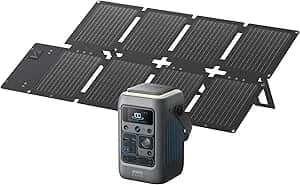
- Solar charging: place solar panel at window or outdoors to maximize sun exposure
- Lighting: headlamps for task lighting, lanterns for ambient; candles as backup (never unattended, never near flammables)
Managing Heat and Cold Without Power
Cold weather blackout:
The heating problem is the greatest physical risk in a winter blackout. Even gas furnaces require electricity for the control board, thermostat, and blower.
The warm room strategy:
- Pick one interior room (preferably surrounded by other rooms, not exterior walls)
- Move all household members into it
- Close every door and window between this room and exterior walls
- Add blankets to windows and under doors
- Use sleeping bags rated to 20°F (-7°C) or warmer for overnight
- Body heat from 2-4 people in a small room generates meaningful warmth
Critical safety warning: Never use a charcoal grill, propane grill, or gas camp stove indoors. Carbon monoxide poisoning is lethal and invisible.
Hot weather blackout:
Heat emergencies can be deadlier than cold for vulnerable individuals, particularly the elderly.
- Keep all blinds closed during daylight hours
- Move to the lowest floor or basement during peak afternoon heat
- Wet towels on pulse points (wrists, neck) for evaporative cooling
- Stay hydrated — hot weather increases your water needs significantly
- Check on elderly and ill neighbors daily — they're most at risk
When the Power Comes Back
Day 7 ends, and the grid comes back online. Here's what to do immediately:
1. Don't rush to turn everything on. Post-outage power surges can damage electronics. Wait 15-30 minutes after restoration, then bring devices online gradually. Large appliances last.
2. Refrigerator and freezer audit. Any food that was kept at room temperature for more than 2 hours is suspect. When in doubt, throw it out. Food poisoning on top of a power recovery is avoidable.
3. Restock immediately. While stores are open and supplies are available, replace everything you used. Don't let your stockpile stay depleted — the next event may come sooner than you expect.
4. Write down what you learned:
- What did you run out of first?
- What was unexpectedly useful?
- What would you do differently?
- Which neighbors were most helpful, and how can you reciprocate?
This debrief turns a difficult experience into preparedness capital. The household that just survived a 7-day blackout knows exactly what to stock, how to ration, and who in their community they can rely on. That knowledge is genuinely valuable.
Seven days without power is uncomfortable but manageable. The difference between crisis and inconvenience is almost entirely a function of preparation and planning — both of which you can start today.
Recommended Products
As an Amazon Associate we earn from qualifying purchases. Buying through our links supports the development of this app at no extra cost to you.