 Foto: Lizzie Mayorga / Pexels
7 Fatal Mistakes During a Power Outage and How to Avoid Them
These 7 common power outage mistakes cost time, money, or health. Learn what you should never do during the next blackout — before it's too late.
Mistake 1: Running a Generator or Gas Stove Indoors
This is the most dangerous mistake — and it kills people every single year. Combustion engines and open gas flames produce carbon monoxide (CO). The gas is colorless and odorless and causes unconsciousness and death even at low concentrations.
Every year people die from CO poisoning during power outages.
The rule is absolute: generators, gas stoves, propane heaters, and charcoal grills belong outside — at least 6 meters (20 feet) from any window, door, or vent. Always. No exceptions. A garage with the door open is not safe. A well-ventilated room is not safe.
Install a battery-powered CO alarm in your home. It saves lives.
Mistake 2: Assuming the Outage Will Last Only a Few Hours
Most people assume a power outage will be fixed within 60 minutes. This optimism means they fail to take protective action when it matters most — in the first hours.
Fill your bathtub and containers in the first 30 minutes. Charge all devices immediately. After 4–8 hours, cell towers begin failing. After 12–24 hours, water pressure may drop. After 24 hours, supermarkets close and fuel stations run out.
Act as if the outage will last a week. If it's shorter, you lose nothing. If it isn't, you're prepared.
Mistake 3: Opening the Refrigerator Repeatedly
Each time you open the refrigerator, the temperature inside rises by 2–5°C. A sealed refrigerator maintains its temperature for 4–6 hours. A freezer stays frozen for 24–48 hours if left closed.
Strategy: Decide before opening exactly what you need. Open once, take everything needed for that meal, close immediately. Write a mental (or paper) inventory of what's inside so you're not opening it to look around.
Prioritize eating cooked or prepared foods first (salads, leftovers), then dairy, then vegetables and fruit. Canned and dry goods can wait indefinitely.
Mistake 4: Ignoring the Carbon Monoxide Risk from Candles and Fireplaces
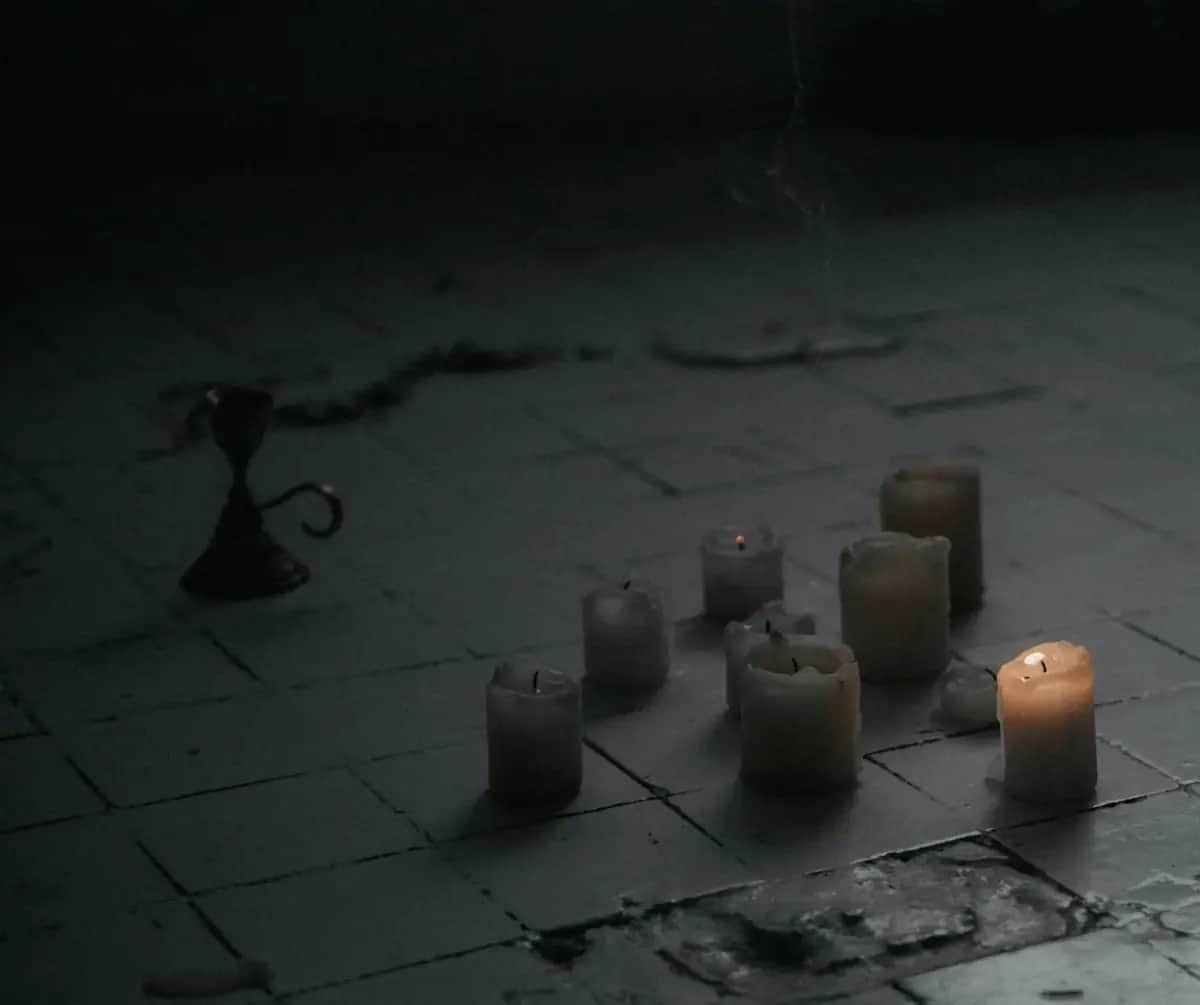
Candles and fireplaces are not CO dangers in normal use — but they become one when rooms are sealed too tightly for "warmth conservation." CO accumulates in poorly ventilated spaces. A room sealed with draft excluders and multiple candles burning over hours can reach dangerous CO levels.
Ventilate your home briefly several times a day. If anyone complains of headache, dizziness, or nausea, evacuate immediately and call emergency services.
Mistake 5: Calling 112 for Non-Emergencies
During a widespread power outage, emergency services are under extreme stress. Every non-emergency call to 112 potentially blocks a life-saving call.
Ask yourself: is someone's life in immediate danger? If yes, call. If no, don't. Report downed power lines or transformer explosions to your power utility's outage number, not 112. Check on neighbors yourself rather than calling it in.
Mistake 6: Having No Cash Available
Payment terminals stop working without power. ATMs run on backup power for a limited time but are quickly depleted. Even if digital systems partially survive, a major outage causes networks to overload and fail.
Maintain a cash reserve at home — ideally €200–500 in small bills. This covers food, fuel, and emergency purchases when card payment is impossible. Keep it in a secure but accessible location.
Mistake 7: Not Knowing Where Your Emergency Supplies Are
Many people have emergency supplies scattered throughout their home — a flashlight in the garage, batteries in a kitchen drawer, a first aid kit in the attic, water bottles in the basement. During a stressful, dark situation this becomes dangerous inefficiency.
Create a centralized "blackout box" — a clearly labeled container with everything you need for the first 24 hours: flashlights, batteries, a battery-powered radio, water purification tablets, a first aid kit, candles, a lighter, a multi-tool, and a written list of critical phone numbers.
Test your setup twice a year. Make sure everyone in the household knows where it is.
What Proper Preparation Looks Like
Avoiding these seven mistakes requires advance action:
- CO detector installed and tested monthly
- Water containers filled and ready
- Cash reserve maintained
- Portable radio with fresh batteries
- Centralized emergency box with all household members knowing its location
- Generator positioned outside with extension cord to bring power in
- Family plan agreed upon, including meeting point if separated
The preparation for a power outage costs less than €200 in most cases. The cost of being caught unprepared — or making one of these fatal mistakes — is incalculably higher.
Recommended Products
As an Amazon Associate we earn from qualifying purchases. Buying through our links supports the development of this app at no extra cost to you.