 Foto: Anastasia Ost / Pexels
15 Expert Tips for the Next Blackout: What Professionals Really Recommend
15 expert-backed blackout tips tailored for Germany: water, heating, communication, and community — what really matters when the power goes out.
Why Most Blackout Tips Online Miss the Mark
The internet is full of blackout preparedness advice. Much of it comes from American sources tailored to different infrastructure realities, or from manufacturers selling their products. These 15 tips are specifically calibrated for Germany and Central Europe — drawing on recommendations from the BBK (Federal Office of Civil Protection and Disaster Assistance) and lessons from real crisis scenarios.
The 15 Expert Tips for Blackout Preparedness
Tip 1: Water Before Everything Else
The first thought during a blackout is often food — but water is the more critical variable. Without electricity, water treatment plants can fail or lose pressure. Plan at least 2 liters of drinking water per person per day, ideally 4-5 liters when accounting for cooking, personal hygiene, and emergency toilet use.
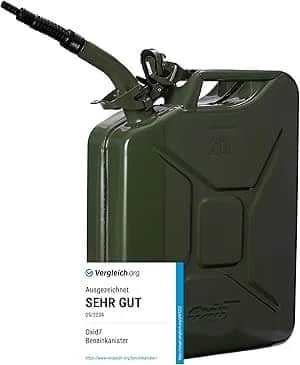
Immediate action: Buy two 10-liter food-grade HDPE canisters today. Fill them with tap water (lasts up to 6 months) and store in a cool, dark place.
Tip 2: Check Your Heating System
Many Germans don't realize that their gas heating stops working during a power outage — because the control unit requires electricity. This applies to virtually all modern gas boilers and heat pumps.
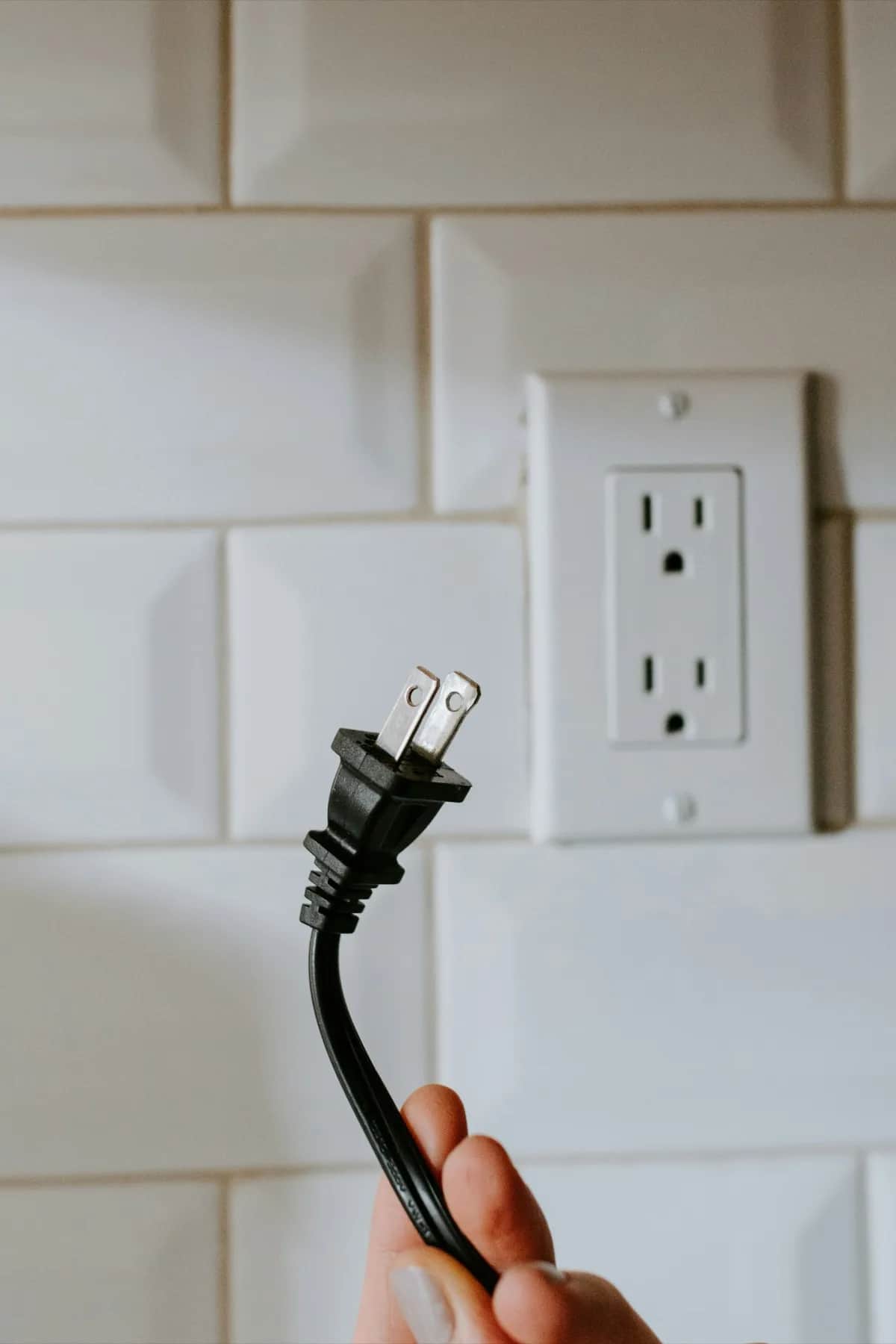
Immediate action: Test now what happens when you cut power to your heating system. Can it operate manually? If not: sleeping bags, thermal clothing, and wool blankets are your backup.
Tip 3: Keep Physical Cash On Hand
During a blackout, card payments fail. ATMs don't work. Without cash, you can't buy anything.
Immediate action: Keep 200-500 euros in small bills (maximum 20-euro notes) at home. Not as a memento — as actual payment capability.
Tip 4: A Hand-Crank Radio Is Your Most Important Communication Device
Cell towers have emergency power for about 4-8 hours. After that, smartphone communication becomes unreliable. A battery or hand-crank DAB+/FM radio keeps you informed when everything else goes silent.
Recommendation: Radios from Sangean, Eton, or Grundig with DAB+ and hand crank — approximately 50-80 euros, an investment that can save lives.
Tip 5: Always Keep 4 Weeks of Medications
Pharmacies can't supply during a blackout. Prescription medications may not be obtainable in time. Anyone taking regular medications should always maintain at least 4 weeks of supply.
Immediate action: Talk to your doctor. Explain that you want a larger supply for crisis preparedness reasons. Most doctors will prescribe accordingly.
Tip 6: Door Contact Alarms Instead of Expensive Security Systems
During crises, crime rates can temporarily increase. Simple door contact alarms (battery-operated, 15-25 euros) can deter and alert without electricity.
Tip 7: Involve Your Neighbors
The strongest survival factor in a crisis is community. Someone who knows their neighbors and has a network survives crises better than the best-equipped lone operator.
Immediate action: Write a note with your phone number to three neighbors today. Say that you're happy to share resources in an emergency.
Tip 8: Plan a Camping Stove + Gas for 14 Days
No power means: no microwave, no electric stove, no induction cooktop. A simple camping stove with gas cartridges (about 30 euros) + 10 cartridges (2.50 euros each) provides 14 days of cooking capacity.
Tip 9: Keep Powerbanks Pre-Charged
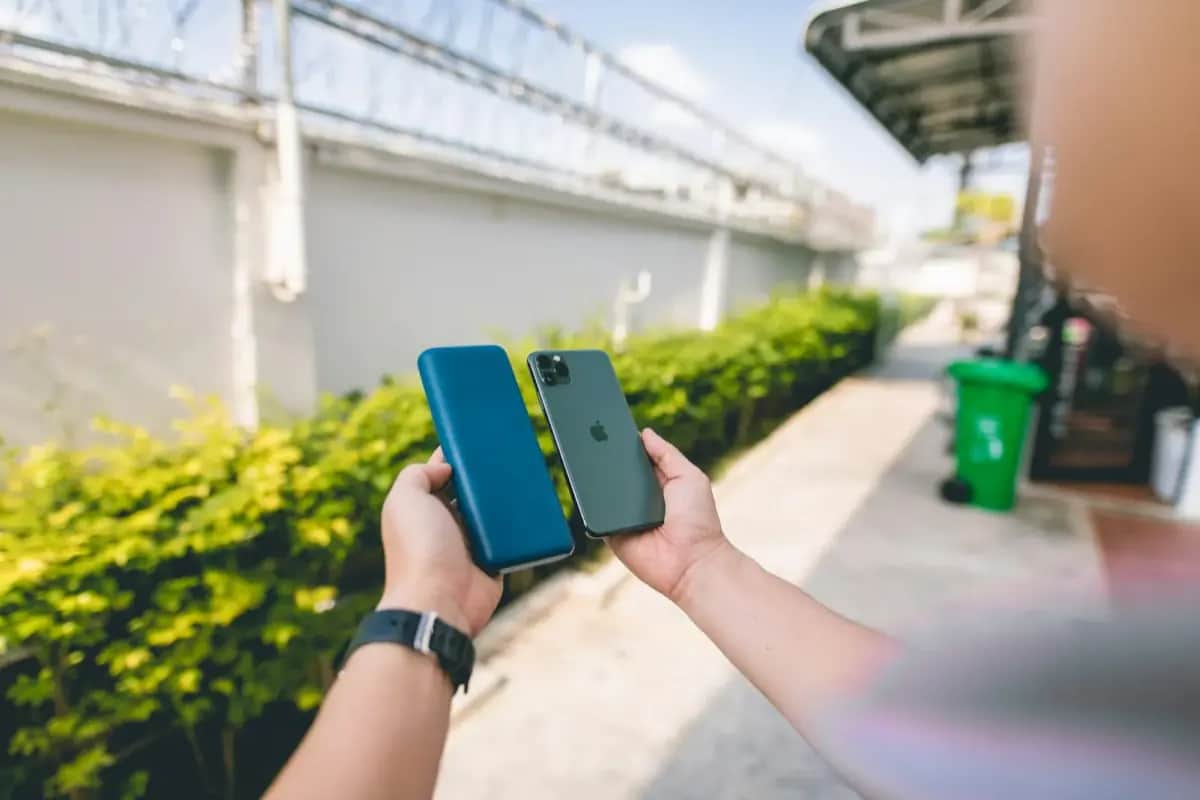
A 20,000 mAh powerbank charges your smartphone 6-8 times. That's enough for 4-5 days of emergency operation (minimal use). Keep it at 80% charged — this extends battery life and maintains reserve capacity.
Tip 10: Emergency Numbers on Paper
If your smartphone dies and you don't know the numbers: you can't make calls. Write at least 10 important numbers on cardboard and laminate it.
List: Family, best friend, doctor, neighbor, municipality/city hall, police (110), fire (112), EU emergency (112).
Tip 11: Food Stockpile Without Cold Chain
Without power, your refrigerator fails within 4-6 hours. Plan your emergency supplies exclusively from canned goods, dry goods, and UHT products.
Shopping list: Canned lentils, beans, chickpeas, tuna in oil, canned vegetables, hard wheat pasta, rice packages, nuts, crispbread.
Tip 12: Flashlights with Rechargeable Batteries
Regular batteries self-discharge in storage. Rechargeable flashlights (with USB-C input) can be charged via powerbank. Keep at least 2 headlamps and 1 table light ready.
Tip 13: Know Your Fuse Box
Know where your fuse box is and how to shut off individual circuits. At the end of a blackout, voltage surges can destroy appliances — being switched off protects your electronics.
Tip 14: Digitize Important Documents and Store Offline
ID, passport, insurance documents, property records — digitized on a USB drive, stored offline. Accessible even without internet.
Tip 15: Practice the Emergency Once
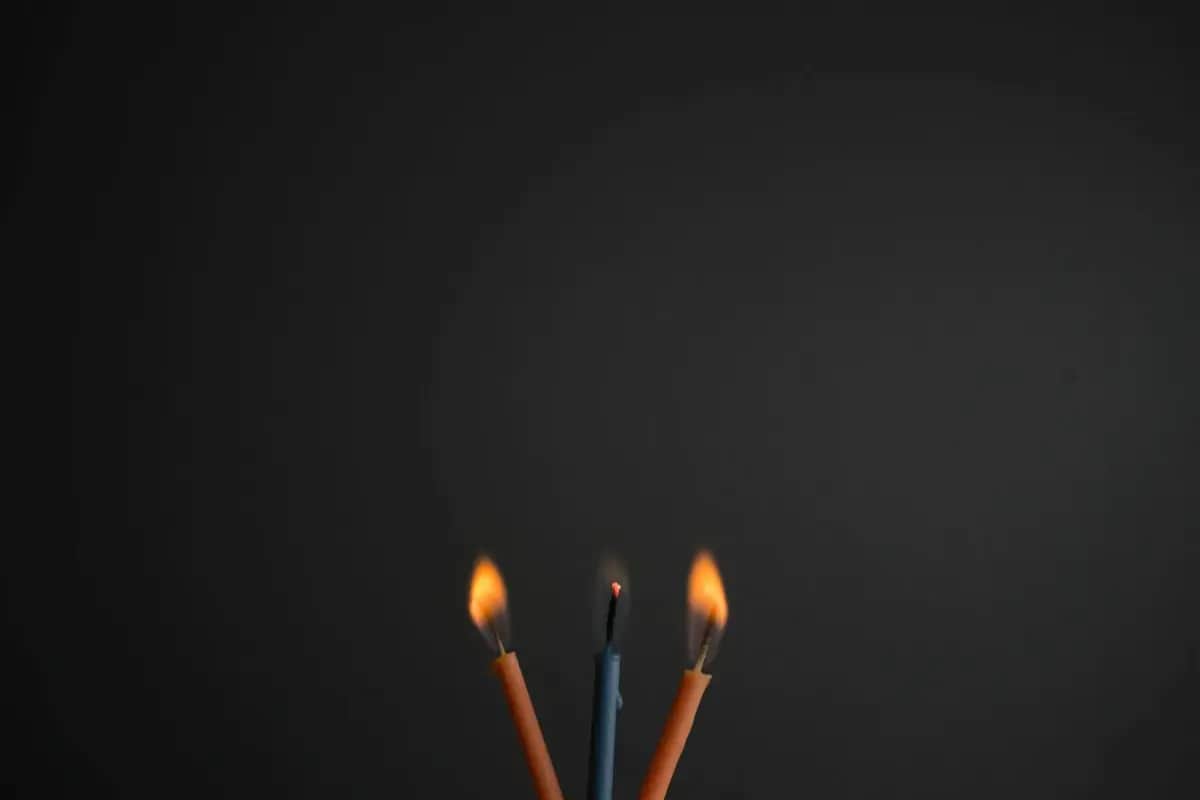
Practice makes perfect. Spend one weekend per year deliberately without electricity — cook on the camping stove, use candles instead of lights, sleep without heating. You'll immediately see what you're missing.
Summary: Priorities for the First 100 Euros
If you want to invest 100 euros, this is the recommended order:
- Water canisters (20 liters): ~15 euros
- Camping stove + 5 cartridges: ~45 euros
- Hand-crank radio: ~40 euros
These three investments address the most critical vulnerabilities and form the core of realistic blackout preparedness for a three-person household.
Recommended Products
As an Amazon Associate we earn from qualifying purchases. Buying through our links supports the development of this app at no extra cost to you.