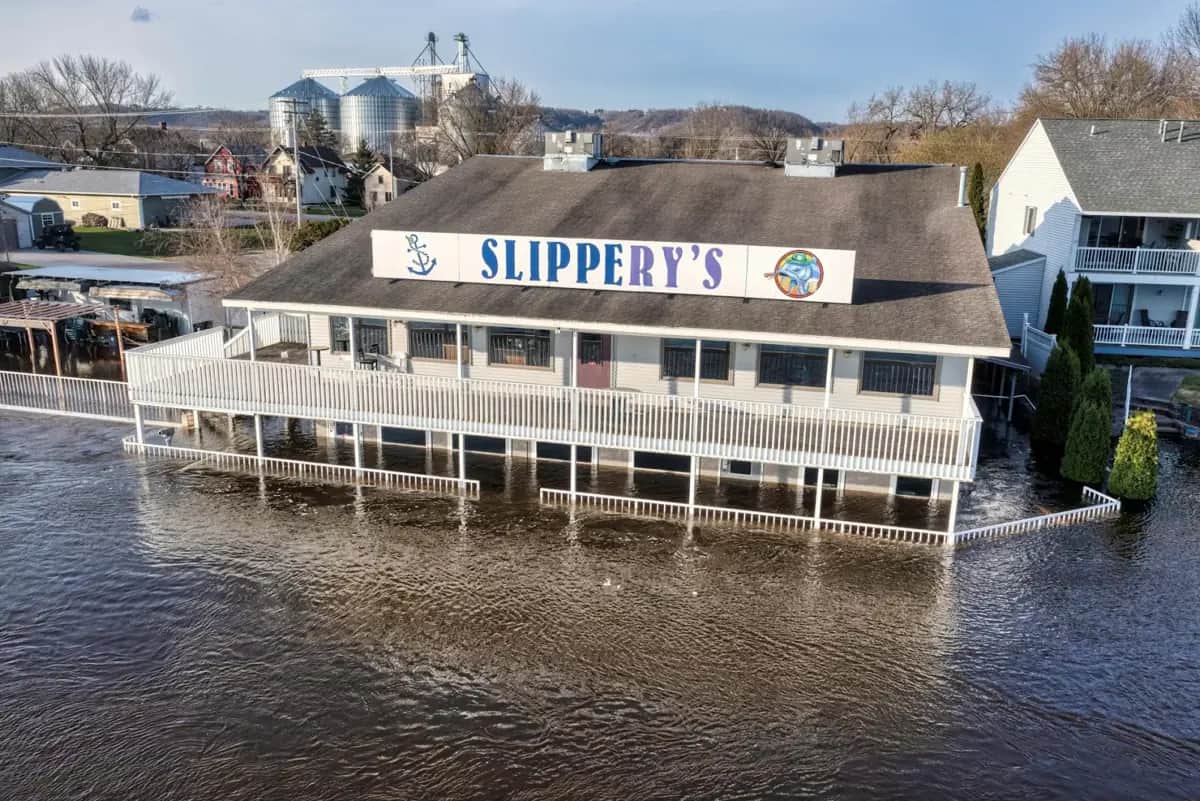
 Foto: Vitaly Gariev / Pexels
6 Psychological Traps in a Crisis: Mistakes That Cost Lives
Understanding crisis psychology can save your life. These 6 common mental traps impair decision-making during emergencies — and knowing them in advance helps you avoid them.
Why Psychology Matters More Than Gear
Emergency management research consistently shows that the biggest difference between survival and catastrophe is not equipment — it's decision-making. Most people in disasters have access to enough resources. What they lack is clear thinking under stress.
Understanding how your brain fails in a crisis is the first step to ensuring it doesn't.
Trap 1: Normalcy Bias — "This Can't Really Be Happening"
What it is: The tendency to underestimate the likelihood and severity of a disaster. The brain resists accepting that a situation is serious because normal is comfortable and disruption is threatening.
How it kills: People in burning buildings search for their belongings before evacuating. People in floods wait to see if the water stops rising. People in medical emergencies wait to see if symptoms improve.
How to counter it: Pre-establish your decision criteria. "If X happens, I take action Y." This converts ambiguous real-time judgment into a pre-made decision. You don't have to decide under stress — you already decided when you were calm.
Trap 2: Analysis Paralysis — Too Many Options
What it is: Under extreme stress, the brain can freeze when faced with too many choices or insufficient information. This results in inaction — which is often the worst possible choice.
How it kills: People stand still in evacuating buildings while others leave. People fail to call emergency services because they're not sure if the situation is "bad enough."
How to counter it: Practice the rule of "good enough, fast." A decision made quickly with 70% of the information you want is almost always better than a perfect decision made after delay. In a crisis, bias toward action.
Trap 3: Peer Pressure and False Consensus
What it is: Humans are social animals. Under uncertainty, we look to others to calibrate our response. If everyone around us appears unconcerned, we suppress our own concern — even if our instincts are correct.
How it kills: This is well-documented in evacuating fires and sinking ships. People don't evacuate because others aren't evacuating. The crowd effect suppresses the rational response of individuals.
How to counter it: Trust your own assessment. If something feels wrong, it probably is. Don't require social validation to act on a safety instinct.
Trap 4: Sunk Cost Fallacy — "But I've Already Come This Far"
What it is: The reluctance to abandon a course of action because of prior investment of time, money, or effort, even when the current best option is clearly to change course.
How it kills: Drivers continue into flooded roads because they've already driven 30 minutes to get there. People don't evacuate because they've already prepared their home for the storm.
How to counter it: Evaluate each decision based only on future outcomes, not past investment. The question is never "what have I already done?" — it's "what is the best action from here?"
Trap 5: Optimism Bias — "It Won't Be That Bad"
What it is: The universal human tendency to believe that bad outcomes are more likely to happen to others than to ourselves. We know statistically that cars crash, homes flood, and people get seriously ill — but we believe it won't happen to us personally.
How it kills: Under-preparation is the direct result of optimism bias. "We'll probably be fine" is the most expensive prediction in emergency management.
How to counter it: Prepare for the scenario that would require preparation, not the scenario you hope will occur. Plan for the flood, not for "probably no flood." Plan for the power outage, not for "probably restored in an hour."
Trap 6: Tunnel Vision Under Stress
What it is: When the stress response (cortisol, adrenaline) activates, the brain literally narrows its focus. This served our ancestors well against a single predator. It works poorly in complex, multi-factor crises.
How it kills: A person fixated on one aspect of a crisis (I need to find my phone) misses critical information about the broader situation (the building is filling with smoke). People focus on the immediate obstacle and miss the available escape route.
How to counter it: Deliberately pause and widen your field of attention. "Stop, look, listen" is standard survival instruction because it physically interrupts tunnel vision. Take three slow breaths, then assess the full situation before acting.
Building Crisis-Resistant Decision Making
You cannot eliminate these biases — they're deep in human neurology. But you can reduce their impact:
- Pre-make decisions: Set clear action criteria now, when you're calm
- Practice under simulated stress: Military and emergency services train this way
- Build a support network: Multiple people catch more errors than one person alone
- Learn from past crises: Read case studies. Understanding how others fell into these traps helps you recognize them
The goal isn't to be fearless. Fear is useful. The goal is to remain capable of action despite fear.