 Foto: Ann H / Pexels
What Is Prepping? The Complete Beginner's Guide to Sensible Crisis Preparedness
Prepping explained without the extremism. What sensible crisis preparedness actually means, why it matters, and how to start without spending a fortune or becoming paranoid.
What Prepping Actually Is (and What It Isn't)
When most people hear "prepping," they picture survivalists building bunkers, stockpiling weapons, and preparing for the apocalypse. This stereotype is both unhelpful and wrong.
Sensible prepping is simply having reasonable reserves and basic skills to handle disruptions to normal life. It's having food in the pantry when the supermarket is out. It's knowing what to do when the power goes out. It's having a plan when something goes wrong.
By that definition, your grandparents were preppers. The concept is several thousand years older than the word.
Why Crisis Preparedness Matters Now
Germany's Federal Office for Civil Protection (BBK) officially recommends that every household maintain:
- 10 days of food and water as minimum
- Emergency cash
- Battery-powered or hand-crank radio
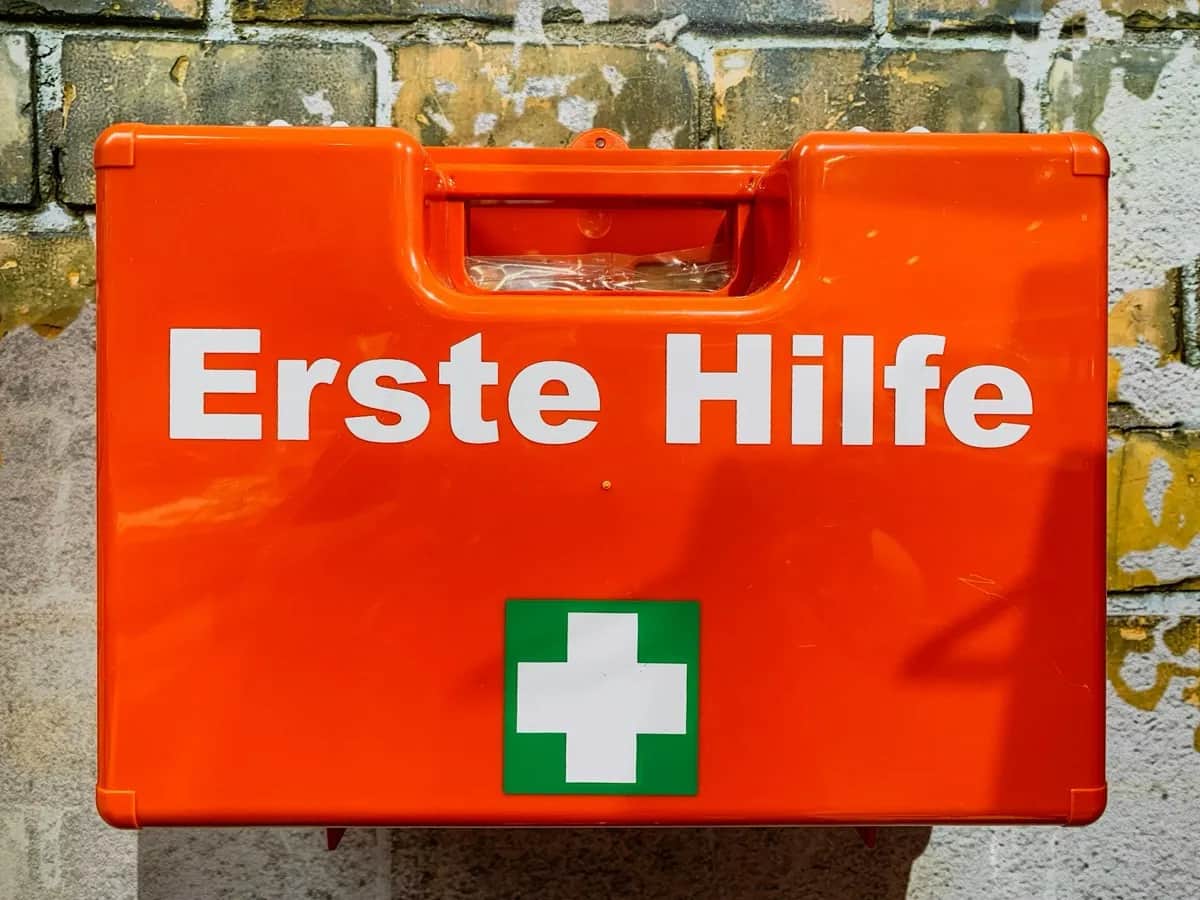
- Basic first aid supplies
- Important documents in accessible storage
If the government recommends this, why doesn't everyone do it? Mostly because thinking about disruption is uncomfortable, and procrastination is easy when nothing bad is currently happening.
The reality: power outages, severe weather events, supply chain disruptions, and regional crises happen regularly. Not in extreme forms, but in ways that make preparation matter.
The Spectrum of Preparedness
Think of crisis preparedness on a scale:
Level 1: Aware (1-3 days)
- Basic pantry food + water
- Flashlight and batteries
- First aid kit
Level 2: Prepared (1-2 weeks) — Recommended starting point
- 14-day food supply
- Water storage or filtration
- Emergency communication plan
- Go-bag ready
Level 3: Resilient (1-3 months)
- Extended food and water storage
- Energy independence (solar, generator)
- Skills: first aid, water filtration, food preservation
- Community network
Level 4: Self-sufficient (3+ months)
- Garden/food production
- Full energy independence
- Advanced medical skills
- Deep community integration
Most reasonable people aim for Level 2 with some Level 3 elements. Levels 1 and 2 are accessible to virtually anyone. The rest is optional depth.
What You're Actually Preparing For
Contrary to bunker mythology, the practical scenarios worth preparing for are mundane:
-
Power outages (1 hour to 1 week): The most common disruption. Candles to generator, depending on depth.
-
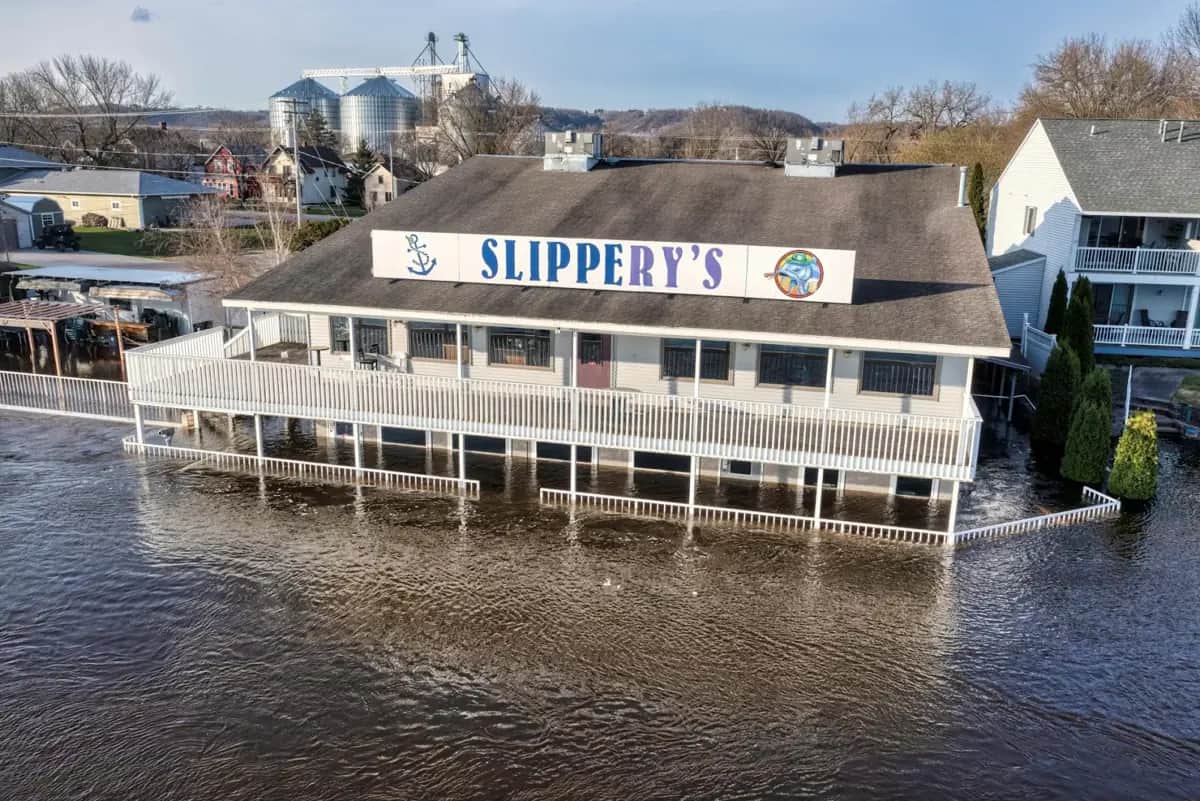
Severe weather (storm, flood, ice storm): Forces you to stay home 3-7 days without shopping.
-
Supply chain disruptions: Localized or regional shortages like COVID-era empty shelves.
-
Job loss or income disruption: Financial resilience is crisis preparedness too.
-
Personal health crisis: Hospitalization, illness that prevents normal activities.
-
Regional emergencies (gas leak, chemical spill, civil unrest): Forces evacuation or shelter-in-place.
Most preparation serves all of these scenarios. A 2-week food supply helps whether you're snowed in, quarantined, or between jobs.
How to Start: The Priority Stack
Don't try to prepare everything at once. Follow this sequence:
Month 1: Water
- Store 2 liters per person per day for 14 days
- Get a water filter (LifeStraw, Sawyer Squeeze, or similar)
- Learn how to treat water (boiling, chlorine tablets)
Month 2: Food
- Add 14 days of food you actually eat (rotate stock — not special "survival food")
- Focus on calorie density: rice, pasta, legumes, canned goods, nuts
- Get a manual can opener
Month 3: Lights and Communication
- Headlamp + batteries for each person
- Battery-powered or hand-crank radio
- Power bank for phones
Month 4: Documents and Cash
- Organize important documents in waterproof storage
- Emergency cash (€200 in small bills)
- Write down critical phone numbers (don't rely on your phone)
Month 5+: First Aid and Beyond
- First aid course
- Expanded medicine cabinet
- Go-bag
- Community connections
The Biggest Mistakes Beginners Make
Mistake 1: Trying to prepare everything at once This leads to overwhelm and inaction. One category per month, consistently.
Mistake 2: Buying gear instead of building skills A €300 survival knife doesn't help if you've never started a fire. Skills outlast gear.
Mistake 3: Preparing alone Your neighborhood is your most important resource in a regional crisis. Know your neighbors. Build a support network.
Mistake 4: Optimizing for the wrong scenarios Prepare for likely scenarios (power outage, storm, illness) before unlikely ones (nuclear war, zombie apocalypse).
Mistake 5: Neglecting financial resilience 3-6 months of living expenses in savings is crisis preparedness. Don't skip financial security to buy gear.
A Reasonable Goal
Six months from now, aim for this:
- 14+ days of food and water at home
- A go-bag ready by the front door
- A written family emergency plan
- Basic first aid training completed
- At minimum 3 neighbors you know by name
This isn't extreme. It's prudent. And it takes less effort than you think.