 Foto: Vlada Karpovich / Pexels
Power Outage as a Senior: Special Risks and What You Must Prepare
Why power outages are especially dangerous for seniors, and what concrete preparations reduce the risk. With a practical checklist for seniors living alone.
Why Power Outages Are Different for Seniors
For a healthy 30-year-old, a 24-hour power outage is an inconvenience. For many seniors, it can be a medical emergency. Understanding why helps identify the right preparations.
Risk Factor 1: Medical Equipment
Many seniors rely on electrically powered medical equipment:
- CPAP/BiPAP machines for sleep apnea — dangerous to use
- Oxygen concentrators — life-critical; concentrators need constant power, tanks have limited supply
- Insulin storage — insulin degrades at room temperature after 28-30 days, but more quickly in heat
- Motorized mobility aids — wheelchairs, stairlifts become unusable
- Medical alert devices — often require charging or landline
Preparation: For each powered medical device, ask: what is the backup plan for a 72-hour outage?
Risk Factor 2: Heating Failure in Winter
Modern central heating systems use electric controls, pumps, and ignition even if the heat source is gas or oil. A power outage typically means no heating within hours.
For seniors:
- Core body temperature drops more easily (reduced thermoregulation)
- Hypothermia sets in faster
- May not notice cold developing due to reduced sensation
Minimum preparation: One electric-independent heat source per household (kerosene heater, wood stove, high-quality sleeping bag rated for indoor temperatures, or ability to relocate to heated location).
Risk Factor 3: Communication and Alert Systems
Many seniors use:
- Landline phones (VOIP-based landlines fail during power outages)
- Medical alert buttons (require charging or landline)
- Digital intercoms with powered building entries
Preparation:
- Keep a battery-powered mobile phone charged (not just a smartphone requiring internet)
- Know which neighbor has a traditional copper landline (not VOIP) — these often still work
- Register with local emergency services as a person requiring assistance
Risk Factor 4: Cognitive Disorientation
Darkness and disrupted routine can cause significant distress and confusion, particularly for seniors with early dementia or memory conditions.
Preparation:
- Pre-label emergency items with large-print instructions
- Have a familiar caregiver or family member check in quickly
- Keep battery-powered lighting accessible from sleeping position (not stored away)
Risk Factor 5: Social Isolation
Seniors living alone may not be found quickly if an emergency develops during an outage.
Preparation:
- Agree mutual check-in arrangement with neighbor
- Register with municipal services if applicable
- Family should have immediate contact plan for any outage
Practical Checklist for Seniors
Medical
- Battery backup or manual alternative for each powered medical device
- Oxygen tank supply evaluated (how many hours at standard flow?)
- Medications requiring refrigeration: what is 48-hour plan?
- Physician consulted on critical medication storage protocols
Warmth
- Non-electric heat source available or access to warm location
- Warm clothing and blankets accessible (not in storage)
- Sleeping bag rated for indoor temperatures if outage occurs in winter
Communication
- Battery or hand-crank radio
- Mobile phone charged and accessible
- Emergency contacts written in large print and placed visibly
Light
- LED torch accessible from bed (within arm's reach)
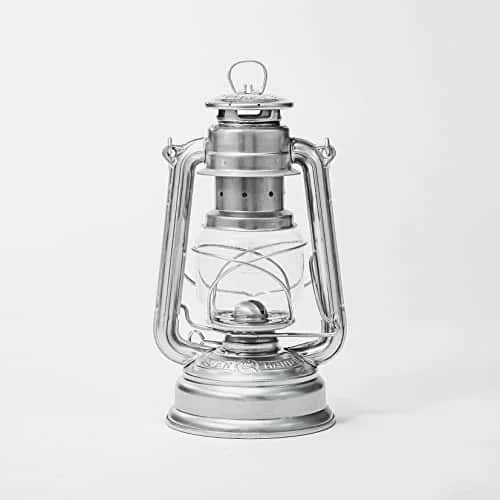
- Battery-powered lantern for room lighting
- Glow sticks as backup
Social
- Neighbor check-in arrangement confirmed
- Family informed of outage protocol
- Municipal registration if applicable
Recommended Products
As an Amazon Associate we earn from qualifying purchases. Buying through our links supports the development of this app at no extra cost to you.