 Foto: ready made / Pexels
Power Outage Risk Winter 2025/26: What Experts Say
How high is the blackout risk this winter? Current assessments from grid operators and energy experts.
Europe's Power Grid: A System Under Pressure
The European electricity grid is one of the most complex engineered systems on Earth. Germany sits at the geographic and technical heart of this network, interconnected with roughly 20 neighboring countries. That connectivity is a strength — surpluses can be exported, shortfalls can be covered by imports — but it also creates systemic risk. A disturbance in one part of the grid can cascade across borders.
Germany's Federal Network Agency (Bundesnetzagentur) publishes an annual security of supply assessment. For Winter 2025/26, the official assessment describes the situation as "stable but tighter than in previous years." The transition to renewable energy brings structural challenges that become most acute in cold, dark winters with little wind — a scenario German energy experts call the "Dunkelflaute" (dark doldrums).
What Is the "Dunkelflaute" Risk?
The Dunkelflaute — a period of simultaneously low solar and wind generation, typically in November through February — is the critical stress test for a grid that increasingly depends on weather-driven power generation. During these periods, Germany must rely on its remaining gas-fired power plants, pumped-storage hydroelectricity, and electricity imports from neighboring countries.
The problem: as more countries transition to renewables, cross-border import options during European-wide Dunkelflauten are reduced. Germany can't simply import from France (which may face its own cold weather demand peaks) or Austria (limited hydro capacity in drought years).
The Bundesnetzagentur's modeling shows that Germany has sufficient reserve capacity to handle typical winter peaks. But the model assumes no major simultaneous failures — and major failures are precisely what you're preparing against.
Gas Storage and Energy Reserves: Where Things Stand
Since the end of Russian pipeline gas deliveries via Nord Stream, Germany has diversified its energy imports dramatically. LNG terminals in Wilhelmshaven, Brunsbüttel, and Lubmin now receive deliveries from the United States, Norway, and Qatar. Gas storage across Germany entered Winter 2025/26 at above 85 percent capacity — a comfortable buffer.
But gas storage is not the same as electricity availability. Many German households heat with gas directly — but their boilers and thermostats require electricity to operate. A power shortage can occur even with ample gas, if electricity generation from other sources falls short.
The critical scenarios that concern grid operators:
- Extended cold period with peak demand and simultaneously low wind and solar output
- Unexpected simultaneous shutdown of multiple large power plants
- Cyberattack on grid control systems (SCADA infrastructure)
- Technical failure with cascade effect across the European grid
None of these is considered likely. But none is considered impossible either.
What Grid Regulators and Experts Actually Say
Federal Network Agency (Bundesnetzagentur): The agency distinguishes between a "blackout" (complete, uncontrolled grid failure) and a "brownout" (controlled, temporary load reduction). A complete blackout is considered unlikely under current conditions. Controlled load shedding — where grid operators deliberately cut power to portions of the network to prevent total collapse — is considered the more realistic emergency scenario. In that case, outages would be planned, rotated, and limited in duration.
Academic and Policy Experts: Prof. Claudia Kemfert at DIW Berlin emphasizes the need to dramatically expand grid-scale battery storage to buffer the variable output from wind and solar. In the near term, she considers the grid stable; longer-term structural risks emerge as more conventional baseload plants retire without adequate replacement storage capacity.
ENTSO-E (European Network of Transmission System Operators): The pan-European grid operator publishes Winter Outlook reports each autumn. Their 2025/26 winter outlook notes tighter margins than in previous years but no fundamental threat to supply security across most European countries.
Key takeaway: The expert consensus is that a multi-day, widespread blackout is unlikely but not impossible. Regional, temporary power supply reductions — lasting hours to a day — are a realistic possibility during extreme winter weather or following technical failures.
Household Preparation for Power Outage Risk
Even a low-probability event justifies preparation if the consequences of being unprepared are severe. A 24-72 hour power outage hits a modern household hard: heating fails, food preservation stops, communications degrade. The preparation cost is modest.
Priority 1: Understand your heating dependency
Check right now how your heating system works. Gas boiler with electronic controls? It stops without power. Heat pump? No power, no heat. Pellet stove with automatic feed? Usually power-dependent too. Emergency alternative: Wood-burning stove, propane space heater (proper ventilation required), or a "warm room" strategy: gather all household members in one well-insulated interior room with sleeping bags and wool blankets, using body heat to stay warm.
Priority 2: Backup communications
- Battery-powered or hand-crank radio (DAB+ or AM/FM): this is your link to official emergency information
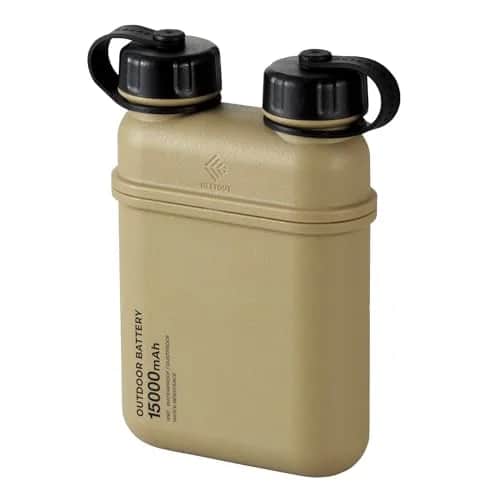
- High-capacity power bank (20,000+ mAh): keep it fully charged, recharge every 3 months
- Solar charger panel as backup for extended outages
Priority 3: Food and water
Your refrigerator and freezer will fail immediately in a power outage. Frozen food maintains safe temperature for approximately 24-48 hours if the door stays closed. Maintain a pantry supply of shelf-stable food for at least 3-5 days. Store 2 liters of drinking water per person per day (BBK recommends a 10-day supply).
Priority 4: Medical equipment
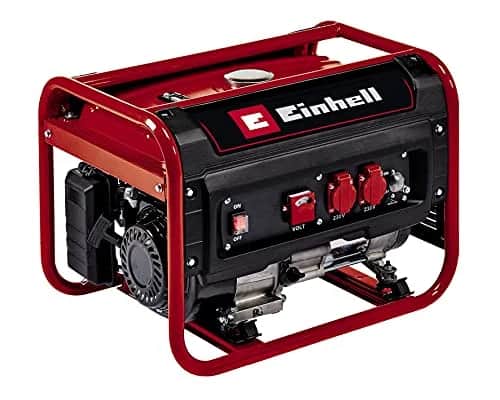
If anyone in your household depends on electrically powered medical equipment — CPAP, insulin refrigeration, home dialysis — a power outage is an immediate safety risk. Create a specific emergency plan now: identify a backup power source (high-capacity power station with sufficient wattage for your device), and discuss contingency plans with your doctor.
What to Do This Week
- Check your heating type: Does it need electricity? If yes, create a backup heating plan.
- Buy a radio: A hand-crank emergency radio costs under €30 and could be the most important device you own in a crisis.
- Charge your power bank: Own a 20,000+ mAh power bank and keep it charged.
- Fill water containers: 20 liters per person minimum for a 10-day supply.
- Stock canned goods: 10 mixed cans of food cost under €20 and last for years.
- Write an emergency plan: Where will family members go? Who has what resources?
Power outage preparation is the foundation for almost all other forms of emergency readiness. A blackout disables heating, water, communications, and food preservation simultaneously. The probability of a major event is low — but the cost of preparation is minimal, and the peace of mind is significant.
Recommended Products
As an Amazon Associate we earn from qualifying purchases. Buying through our links supports the development of this app at no extra cost to you.