 Foto: Lucius PK / Pexels
New to Emergency Preparedness? How to Prepare for Power Outages
Beginner's guide to power outage preparedness: the essential basics without overwhelm. A step-by-step approach to realistic protection against blackouts.
Why Power Outage Preparedness Makes Sense for Everyone
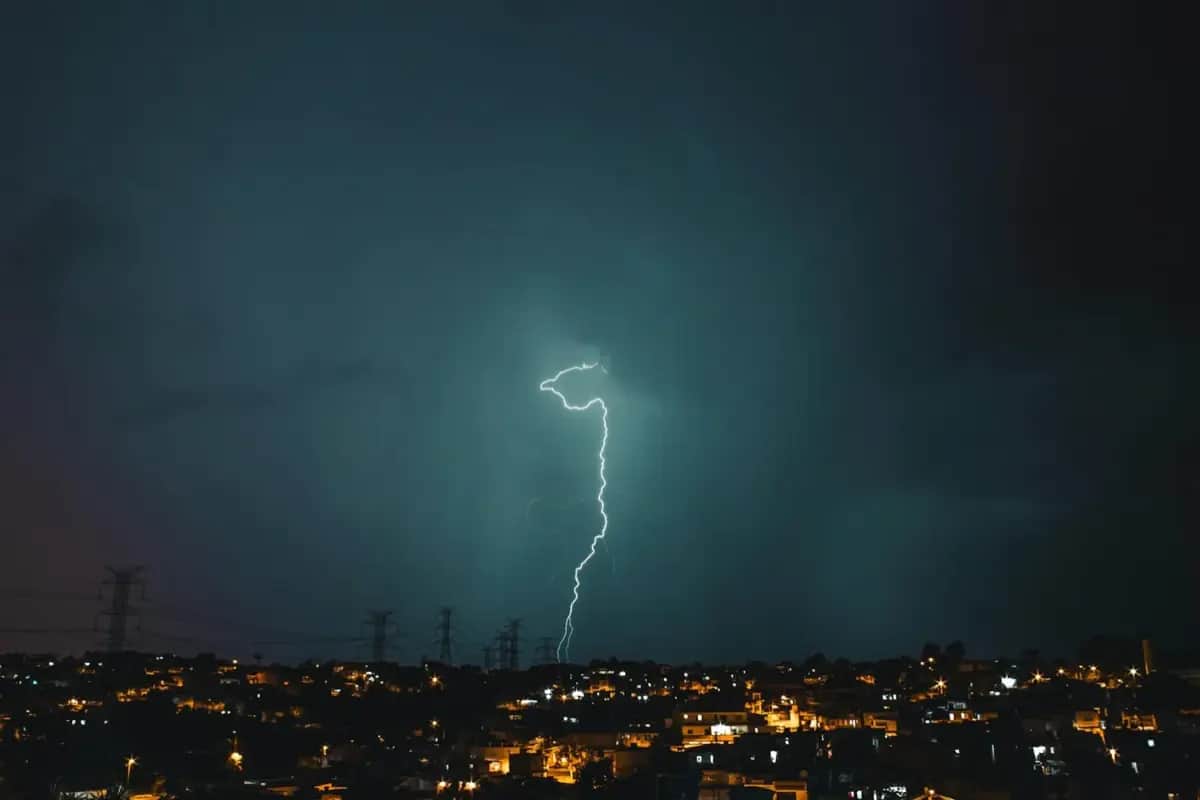
Power outages happen more often than most people think — not just as a large-scale blackout, but also as multi-hour local outages. The German grid agency records thousands of disturbances annually in the German power grid. Many last only minutes, but some last hours or days — especially after severe storms or technical failures.
Crisis preparedness doesn't mean preparing for the end of the world. It means being ready for the most likely everyday disruptions.
The Three Most Common Beginner Mistakes
Mistake 1: Trying to do too much at once Many beginners buy an expensive generator or large solar power station and neglect the basics (water, light, communication). That's backwards thinking.
Mistake 2: Banking on one single "big" purchase One device doesn't solve the problem. Crisis preparedness is a collection of small, complementary measures.
Mistake 3: Putting it off until "when I have more time/money" Most basic measures cost under 50 euros and take 30 minutes to set up.
The 5-Level Model for Beginners
Level 1: Light (Cost: ~15-30 euros)
The first thing missing during a power outage is light. Solution:
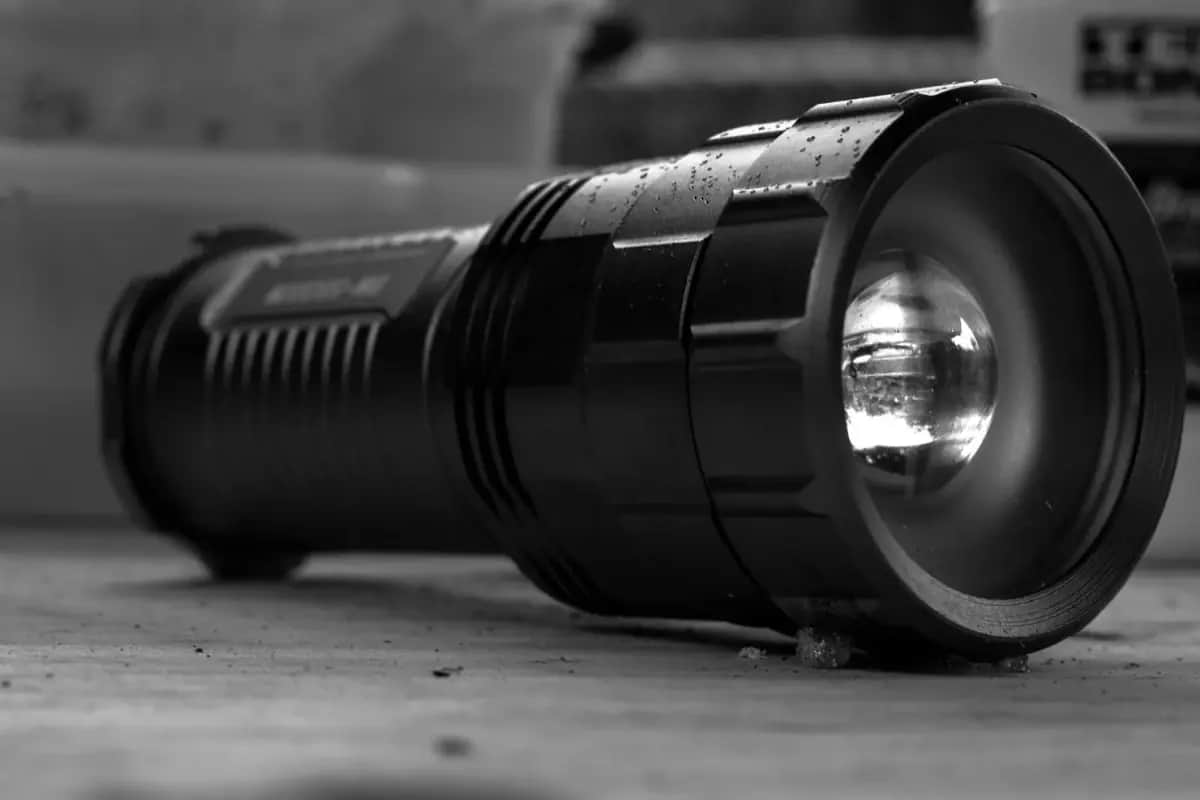
- 1 good LED headlamp with rechargeable battery (e.g., Fenix HL18R: ~35 euros)
- 1 battery-powered LED lantern for the room (e.g., Goal Zero Lighthouse: ~50 euros)
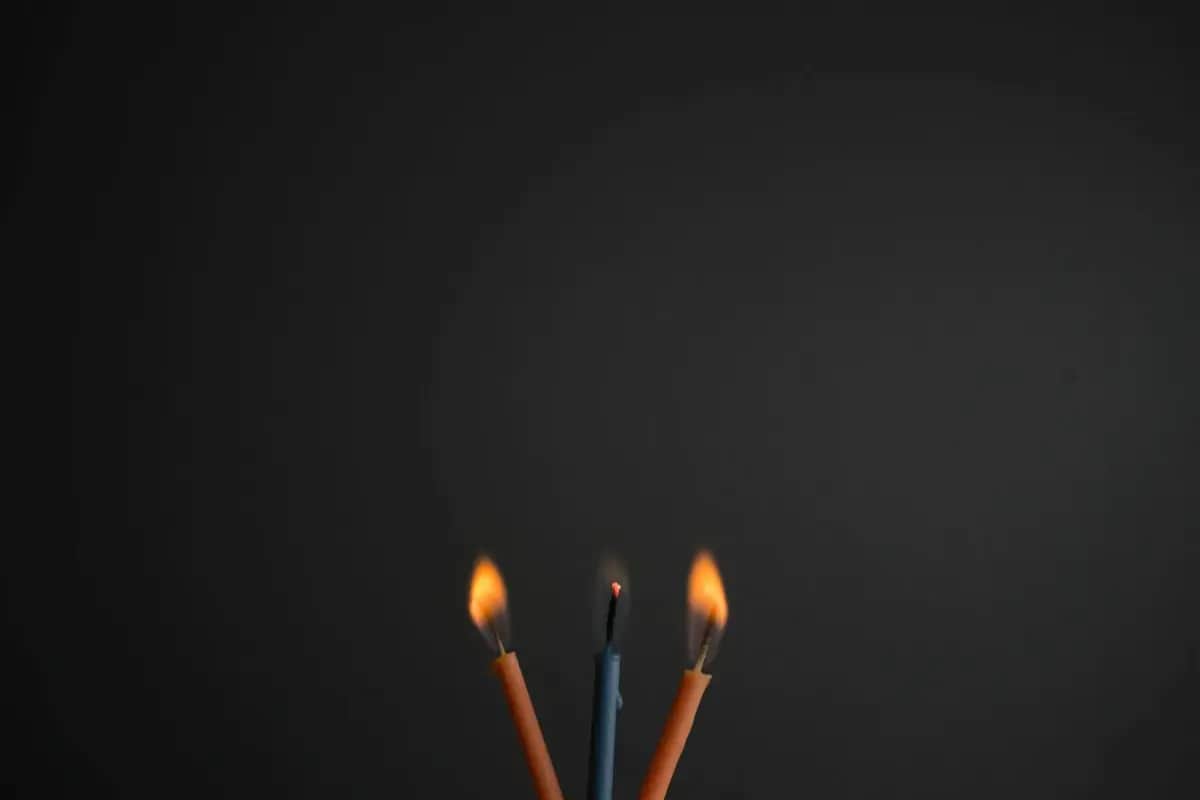
- 12 candles + candle holders (inexpensive backup)
Use rechargeable AA batteries (Eneloop or equivalent) — they last longer and are more environmentally friendly.
Level 2: Water (Cost: ~15-25 euros)
Water before food. Without water you're in genuine danger after 3 days.
- 2× 10-liter food-grade HDPE canisters (from outdoor or camping stores)
- Fill them with fresh tap water
- Replace water every 6-12 months
This costs ~20 euros and gives you water for 4-5 days (for 2 people at minimum drinking water level).
Level 3: Communication (Cost: ~40-60 euros)
When the power grid fails, cell towers lose power after 4-8 hours. A battery-powered or hand-crank DAB+/FM radio keeps you informed.
- 1 hand-crank radio with DAB+/FM (e.g., Sangean MMR-99: ~80 euros)
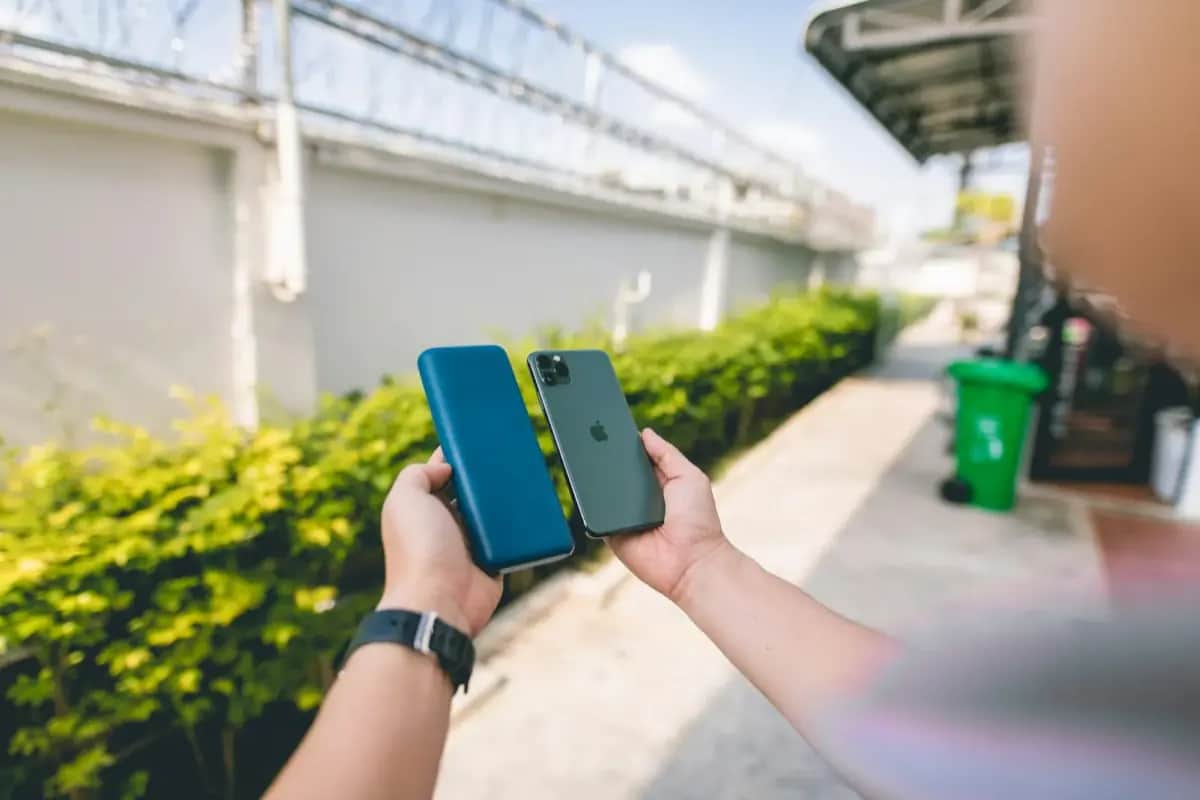
- 1 powerbank 20,000 mAh for phone charging (e.g., Anker 737: ~50 euros)
- Emergency numbers written on paper
Level 4: Warmth (Cost: ~50-100 euros)
In winter, lack of heating can become life-threatening. The most affordable solution:
- Sleeping bag rated to -5°C (e.g., from Decathlon, ~50 euros)
- 2 extra wool blankets
- Thermal underwear for all household members
- Tea-light heater as a psychological and minor heat source
Level 5: Cooking and Nutrition (Cost: ~30-50 euros)
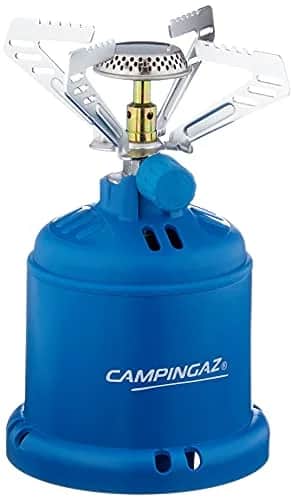
- Camping stove with gas cartridges (e.g., Campingaz Camp Bistro: ~25 euros)
- 4-6 gas cartridges (2-3 euros each)
- 3-day emergency supply: canned goods, crispbread, nuts, granola bars
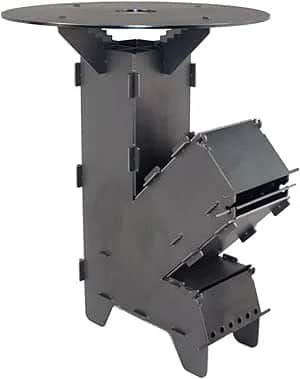
Important: NEVER use camping stoves in enclosed spaces (carbon monoxide risk). Always use outdoors or with window wide open.
What Happens During an Actual Power Outage?
If you've implemented all 5 levels, you're well prepared for a 72-hour outage:
- Hour 1: Headlamp on, radio on for information, fill canisters
- Hour 6: Charge smartphone with powerbank, minimize refrigerator opening
- Hour 12: Set up camping stove, first meal from canned goods
- Day 2: In winter: concentrate heat, use sleeping bags
- Day 3: Follow radio info, update neighbors on the situation
Key Resources for Beginners
The BBK (Federal Office of Civil Protection) provides the free booklet "Emergency Preparedness Guide" — concrete recommendations specifically for Germany. Download at bbk.bund.de.
The NINA app (Federal warning app) is free and delivers official alerts directly to your smartphone — install it today, not when the blackout comes.
Your Action Plan: 60 Minutes for Basic Preparedness
- 10 minutes: Install NINA app, write emergency numbers on paper
- 20 minutes: Grocery store: buy water canisters, canned goods, candles
- 15 minutes: Fill canisters with water, place candles in accessible location
- 15 minutes: Note location of fuse box, place flashlight in fixed location
These 60 minutes give you a foundation that the vast majority of people don't have — and that makes a real difference when it counts.
Recommended Products
As an Amazon Associate we earn from qualifying purchases. Buying through our links supports the development of this app at no extra cost to you.