 Foto: Yaka Bagus / Pexels
Power Outage at Home: Step-by-Step What to Do Right Now
Power just went out? This step-by-step guide tells you exactly what to do in the first minutes and hours of a power outage at home.
Step 1: Stay Calm and Assess (0-5 Minutes)
The first impulse is panic — resist it. Take 2-3 minutes to assess the situation before acting.
Check:
- Is it just your apartment or does it affect the whole street? Look out the window: are neighbors' lights off?
- Has your circuit breaker tripped? Go to your fuse box and check if a switch is in the "off" position.
- Is it a local defect or a larger outage? Turn on the radio (battery-powered) or ask a neighbor.
First immediate action: Get your flashlight — it should always be in the same place, within reach, with fresh batteries.
Step 2: Check the Fuse Box (5-10 Minutes)
Before doing anything else: check the fuse box. Many "blackouts" are actually just tripped circuit breakers.
Instructions:
- Take flashlight
- Open fuse box (usually in basement or hallway)
- Check if any circuit breaker has tripped (positioned at "0" or middle position)
- If yes: turn off all electrical appliances, then reset the breaker
- If the breaker trips again: isolate the device causing the short circuit
If all fuses are in order: no local defect — it's an external power outage.
Step 3: Contact Your Grid Operator (10-20 Minutes)
Call your responsible grid operator and report the outage. Many operators have outage apps or websites (accessible via mobile data while the network still works).
Important: Write your grid operator's number on paper — it's on your electricity bill. Anyone who only has it saved in their smartphone may not be able to access it in a real emergency.
Step 4: Set Priorities
Once you've established it's a larger outage, work through this list:
Priority 1: Secure Water
- Fill all available containers with water immediately: bathtub, buckets, canisters
- Water treatment plants can lose pressure during extended outages
- Plan 5-10 liters per person for the next 24 hours
Priority 2: Maintain Communication
- Charge your smartphone immediately with a powerbank (if not already full)
- Set screen to low brightness and disable WiFi/Bluetooth
- Listen to the radio for official information
Priority 3: Secure Food
- Open refrigerator and freezer as rarely as possible
- A full freezer stays frozen for ~24-48 hours with the door closed
- Eat fresh and refrigerated foods first — they'll spoil otherwise
Step 5: Manage Heat and Temperature (From Hour 2)
If it's cold outside, start heat management immediately:
In Winter:
- Close all doors to concentrate heat in fewer rooms
- Place blankets at door drafts (cold enters through gaps)
- Put on all your warmest clothing (thermal underwear, wool sweaters)
- If available: use wood stove, fireplace, or candle heater (ventilation!)
- Spend time in small rooms with multiple people — body heat counts
In Summer:
- Keep curtains and blinds closed during the day (keep heat out)
- Open windows at night when it's cooler outside
- Wet towels on neck and wrists for body cooling
- Drink regularly (dehydration in summer is a real risk)
Step 6: Prepare for Evening
When evening approaches and the power is still out:
Light:
- Place candles in safe positions (never unattended)
- Headlamps for active work
- Candle lantern or battery-powered LED lantern for room lighting
Cooking:
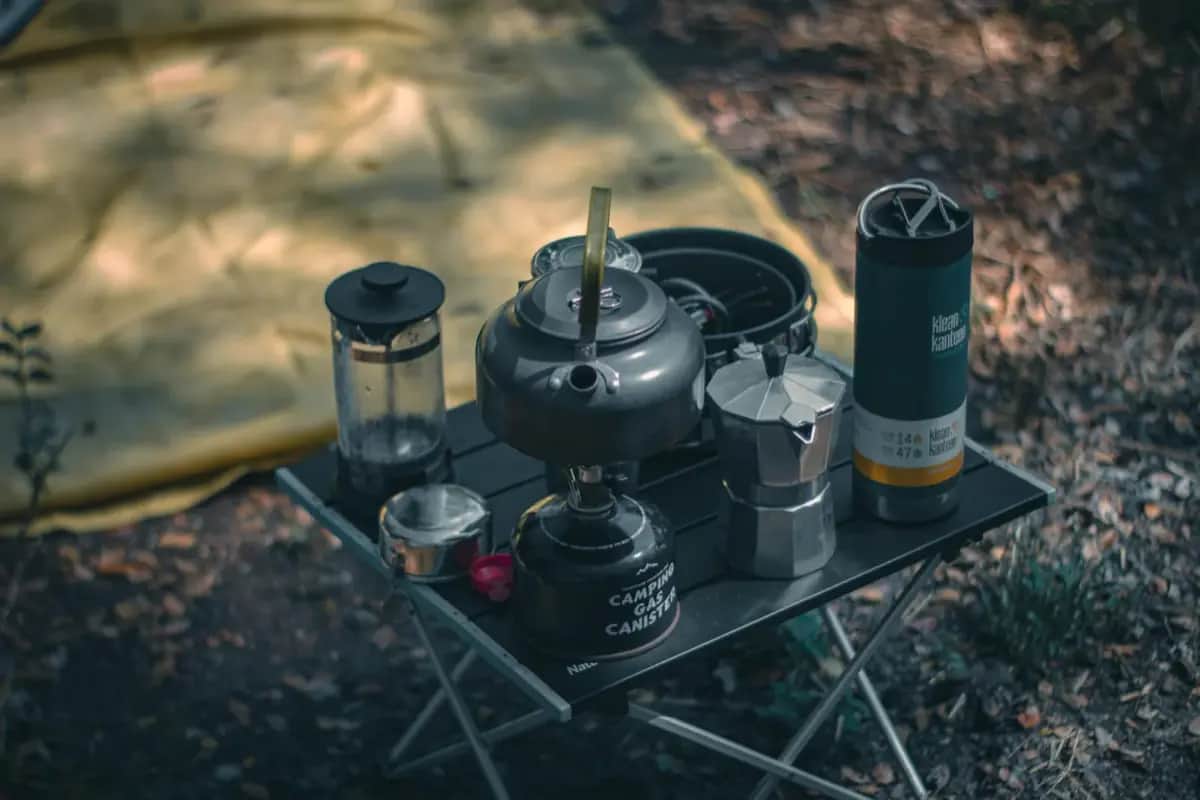
- Set up camping stove (ONLY outdoors or with window wide open — CO poisoning risk!)
- Cook simple pasta dish from canned goods
- Avoid elaborate meals — save gas cartridges
Communication:
- Keep radio running for situation updates
- Update neighbors — maybe someone can help or has useful resources
Step 7: Prepare for the Night
Security:
- Lock doors (even if alarm system is offline)
- Battery alarm at front door/windows if available
- Extinguish candles before sleeping
Sleeping:
- In winter: multiple people in one room, use sleeping bags
- Extra blankets ready
- Bring pets to bed (additional warmth)
What to Avoid
- Running generators indoors — CO poisoning, fatal
- Frequently opening refrigerator — doesn't extend how long food stays good
- Panicked grocery shopping — supermarkets will quickly be overwhelmed
- Fully draining all phones — prioritize communication capability
- Acting alone — inform neighbors and work together
Summary: The First 24 Hours
| Time | Action |
|---|---|
| 0-5 min | Assess, get flashlight |
| 5-10 min | Check fuse box |
| 10-20 min | Contact grid operator |
| 20-60 min | Secure water, charge phone |
| 1-3 hrs | Manage heating, plan food |
| 3-8 hrs | Contact neighbors, establish routine |
| Evening | Light, cooking, nighttime security |
Knowing these steps and having them in mind keeps you calm and capable of action in the situation — that's worth more than any piece of equipment.
Recommended Products
As an Amazon Associate we earn from qualifying purchases. Buying through our links supports the development of this app at no extra cost to you.