 Foto: Maxi Gagliano / Pexels
7 Pandemic Preparedness Mistakes That Leave You Vulnerable
These 7 pandemic preparedness mistakes cost lives: no fever medication supply, masks bought late, no isolation plan. How to prepare correctly.
The Lessons COVID-19 Taught Us — That Most People Ignored
The COVID-19 pandemic was a real-world test of personal preparedness. Millions of people were completely unprepared. The same mistakes appeared worldwide. Here are the seven most critical ones.
Mistake 1: "It Won't Be That Bad"
What happened: In early 2020, many people dismissed warnings as exaggerated. Shopping was delayed. By the time the situation became clear, supermarket shelves were empty.
The psychology: Normalcy bias — the tendency to underestimate crisis likelihood and severity. We assume current conditions will continue.
The reality: Pandemics happen. The WHO has monitored dozens of outbreak events since 2000. COVID-19 was not a surprise to epidemiologists.
The lesson: Preparedness doesn't require certainty about when or whether. It requires acknowledging that "low probability, high impact" events deserve preparation.
Mistake 2: No Fever Medication Supply
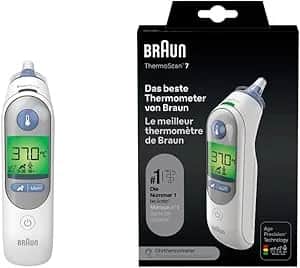
What happened: Ibuprofen and paracetamol sold out within days of lockdown announcements. People with fever symptoms had no medication at home.
Why it matters: For most viral respiratory illnesses, fever management and symptomatic treatment are the primary interventions at home. Without basic medications, comfort and recovery are significantly impaired.
The correct approach: Always keep 4–6 weeks of basic medications at home:
- Ibuprofen 400 mg (50 tablets)
- Paracetamol 500 mg (50 tablets)
- Electrolyte sachets
- Vitamin C and D
Mistake 3: Buying Masks After Outbreak Starts
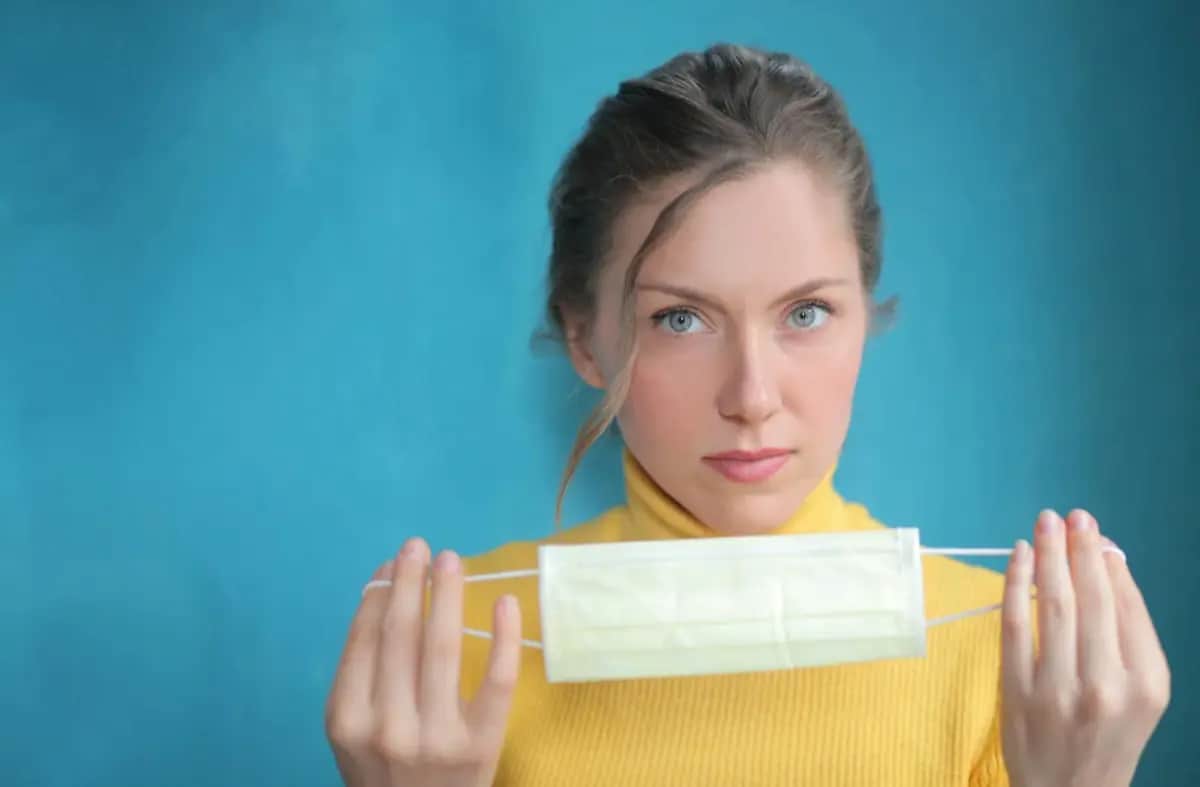
What happened: Mask supplies globally depleted within weeks. People who tried to buy masks in March 2020 found nothing available at reasonable prices.
The irony: Masks are cheap and easy to store when not in a crisis. FFP2 masks cost 0.50–1.00 euros each normally. During COVID-19 shortages, prices reached 5–15 euros per mask.
The correct approach:
- Keep 100+ masks per person stored at home
- Rotate stock annually (check expiration dates)
- Include surgical masks AND FFP2 masks
Mistake 4: No Isolation Plan for the Household
What happened: When one family member became ill, the entire household was exposed because there was no isolation plan. One sick member infected all others within days.
What an isolation plan requires:
- Designated sick room
- Separate bathroom assignment OR strict cleaning protocol
- Dedicated towels and dishes for the sick person
- Designated caregiver with protective equipment
- Protocol for when caregiver must leave the home
The reality: Household isolation is difficult but possible. Improvising it mid-illness is much harder than planning it in advance.
Mistake 5: Over-Reliance on Grocery Delivery and Restaurants
What happened: People who regularly used food delivery services and rarely cooked suddenly had to feed themselves from a fully stocked pantry. They didn't have one. And delivery services were overwhelmed.
The preparedness failure: No baseline food reserve. When supply chains stressed, they had nothing to fall back on.
The correct approach: Maintain a 2–4 week food supply at all times. Not "doomsday bunker" levels — just a well-stocked pantry you regularly rotate.
Mistake 6: Ignoring Mental Health Preparation
What happened: Extended isolation caused unprecedented levels of depression, anxiety, and relationship conflict. People were not prepared for the psychological demands of lockdown.
What this looks like in practice:
- No activities planned for extended time at home
- No structure to the day
- Excessive news consumption without action
- Social isolation without digital connection alternatives
The correct approach:
- Plan in advance how to maintain routine during isolation
- Identify activities that work without leaving home
- Build communication habits that don't require physical presence
- Limit news consumption to 2 specific times per day
Mistake 7: No Emergency Medical Contact Protocol
What happened: People with concerning symptoms didn't know whether to call their doctor, go to the emergency room, or stay home. The result: both under-treatment and unnecessary ER visits that contributed to spreading.
What a proper protocol looks like:
- Doctor's direct line for telehealth consultation
- Symptom thresholds for seeking in-person care
- Pulse oximeter at home (monitors oxygen saturation — a key COVID-19 indicator)
- Written plan for each threshold level
Pulse oximeter note: A reading below 95% SpO2 requires medical evaluation. This single device was among the most important tools for monitoring COVID-19 severity at home.
The Common Thread
All seven mistakes share one cause: waiting until the crisis is obvious before preparing. At that point, supplies are depleted, prices are high, and rational decision-making is impaired by stress and fear.
Pandemic preparedness is done calmly, in advance, at normal prices.
Recommended Products
As an Amazon Associate we earn from qualifying purchases. Buying through our links supports the development of this app at no extra cost to you.