 Foto: Anton Chubarov / Pexels
Household Blackout Checklist: 30 Things to Do Right Now
A practical action checklist — what you can accomplish today to be ready for the next power outage.
Why a Checklist Beats Vague Intentions
"I should really prepare for a power outage" is something millions of people think — and most never act on. The gap between intention and action is closed by specificity: knowing exactly what to do next.
This list gives you 30 specific actions, organized by how long they take to complete. No vague advice about "preparing for emergencies" — just 30 concrete steps with clear done conditions. Check them off as you go.
Do Today (Under 2 Hours, Under $50)
These 10 actions have the highest immediate impact. Most can be done right now with what you have at home or a single shopping trip:
- 1. Test your flashlight — Does it turn on? Are the batteries fresh? If not: new batteries or a rechargeable LED flashlight is your first purchase ($10-20 at any hardware store).
- 2. Write down emergency numbers — Police 911 (US), your doctor, nearest hospital, family members, your landlord or utility company. On paper, posted in your kitchen or on the fridge.
- 3. Charge your power bank to 100% — If you have one, charge it now. If you don't have one, add it to your shopping list (min. 10,000 mAh, costs $20-35).
- 4. Get cash — Withdraw $100-200 in small bills ($1, $5, $10, $20). Card terminals don't work without power. ATMs may be out too.
- 5. Fill water containers — Any clean containers you have: bottles, pots, pitchers. This is your immediate buffer while you acquire proper storage.
- 6. Locate your manual can opener — If you don't have one, buy it today. Less than $5. Without it, your canned food supply is inaccessible.
- 7. Check your first aid kit — Bandages, antiseptic, scissors, pain relievers present? Note what's missing and replenish.
- 8. Gather candles and a lighter — 5-10 candles with safe holders, or battery-powered candles. Store in one spot you can find in the dark.
- 9. Inventory your prescription medications — List all medications. Do you have at least 7 days of each? If not, contact your doctor or pharmacy for a refill.
- 10. Buy 6-10 cans of food — Canned beans, tuna, sardines, tomatoes, vegetables. Ready to eat without cooking. This is your instant 3-day supply.
Do This Week (Under 4 Hours, Under $150)
- 11. Buy food-grade water containers — 2-4 × 5-gallon (BPA-free, HDPE type 2, opaque). Fill with tap water and label with the date. Rotate every 6-12 months.
- 12. Buy a battery-powered or hand-crank radio — AM/FM with NOAA weather bands in the US. This is your official emergency broadcast source when cell and internet fail. (Price: $20-50)
- 13. Get a camp stove — Propane or butane camp stove with 3+ fuel canisters. Warm meals dramatically improve morale and caloric intake during a crisis.
- 14. Build a 3-day food supply — Pasta (2 lbs), rice (1 lb), oatmeal, peanut butter, crackers, nuts, dried fruit, and more canned goods. Enough for all household members.
- 15. Make document copies — Copy your driver's license/ID, passport, health insurance, vehicle registration, and key insurance policies. Store in a waterproof envelope.
- 16. Assess your heating situation — What type of heating do you have? Does it need electricity to run? (Most do — even gas furnaces need the control board.) Note your backup options.
- 17. Buy emergency sleeping bags — Mylar emergency sleeping bags ($2-5 each) or an outdoor sleeping bag rated to 20°F (-7°C) for each household member.
- 18. Get water purification tablets — Chlorine dioxide tablets (Aquatabs, Potable Aqua) or iodine tablets. Available at outdoor stores and pharmacies.
- 19. Talk to a neighbor — Share your preparedness thinking with at least one neighbor. Find out their situation. Exchange phone numbers. This builds the community resilience that matters most in extended outages.
- 20. Download your local emergency alert app — FEMA app (US), Wireless Emergency Alerts, local emergency management apps. Enable push notifications.
Do This Month (Under 8 Hours, Under $300)
- 21. Build a 10-day food supply — Expand your pantry to cover all household members for 10 days. Implement FIFO rotation so nothing expires unused.
- 22. Expand water storage to 1 gallon/person/day × 14 days — For a family of 4, that's ~56 gallons = eight 7-gallon jugs or multiple 5-gallon containers.
- 23. Pack a go-bag — A 72-hour emergency bag for each adult with water, food, documents, first aid, and light. Ready to grab in 30 seconds.
- 24. Buy a solar charger — A portable solar panel (Anker, GoalZero, or similar) charges phones and power banks from sunlight. Essential for outages lasting more than 2-3 days.
- 25. Complete your first aid kit — Full kit: trauma bandage, gloves, tourniquet, variety of bandages, antiseptic solution, thermometer, antihistamines, burn gel.
- 26. Create a household communication plan — Where does everyone meet if phones don't work? Who is the out-of-state contact? Write it down and share it with every household member.
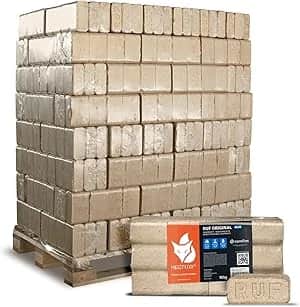
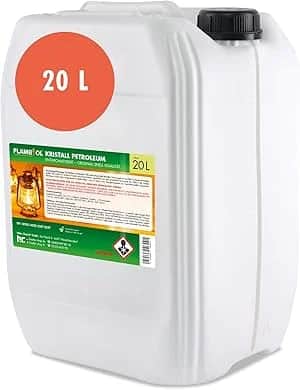
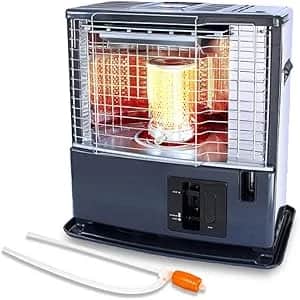
- 27. Plan your heating backup — Depending on your home: firewood for the fireplace, an indoor-safe propane heater with ventilation, or a "warm room" strategy (consolidate in one insulated room with sleeping bags and body heat).
- 28. Plan for pets — Two weeks of pet food, a travel carrier, vaccination records accessible, and a plan for where you'll shelter together (many emergency shelters don't accept pets).
- 29. Take a first aid course — Red Cross, St. John Ambulance, or local fire department. One weekend. Certification valid for 2 years. More valuable than any gear purchase.
- 30. Set a biannual maintenance reminder — Add a repeating calendar event every 6 months to check food/water expiration dates, test equipment, recharge power banks, and update your emergency contacts.
Where Do You Stand?
| Completed | Status |
|---|---|
| 0-5 | Getting started — do items 1-5 today |
| 6-10 | Basic 24-hour resilience established |
| 11-20 | Ready for 3-7 day disruptions |
| 21-30 | Excellent preparation — better than 95% of households |
The Mindset Shift
Emergency preparedness isn't about fear or survivalism. It's about reducing the number of decisions you have to make under stress. When you have water stored, food on hand, a radio to receive information, and cash for transactions, a power outage becomes an inconvenience rather than a crisis.
The first 10 items on this list can be done today for less than $50. That investment buys you genuine peace of mind and practical safety. Everything beyond that is valuable — but those first 10 are where the real leverage is.
Start with item 1. Right now.
Recommended Products
As an Amazon Associate we earn from qualifying purchases. Buying through our links supports the development of this app at no extra cost to you.