 Foto: Nathan Thomas / Pexels
Generator vs. Solar Battery: What Protects Better During a Blackout?
Generator or solar power station for blackout preparedness? An honest comparison of both options by cost, noise, suitability, and safety considerations.
The Central Question: What Do You Really Need?
When thinking about backup power, two camps quickly emerge: the "classic" solution with a combustion engine generator and the modern solution with a solar power station or home battery. Both have their place — but which is right for which situation?
Generator: The Classic Solution
What Is a Generator?
A generator (or backup power unit) produces electricity through a combustion engine (usually gasoline, diesel, or propane/LPG). It runs as long as fuel is available and delivers power in practically useful quantities immediately.
Advantages
High On-Demand Power: A mid-range generator (2-5 kW) can simultaneously run a refrigerator, heating pump, and multiple lights. Solar power stations with comparable capacity cost many times more.
Unlimited Runtime (With Fuel): As long as you have gasoline, the generator runs. In a genuine long-term blackout, this is a significant advantage.
Lower Upfront Cost: A solid gasoline generator with 2 kW output is available from around 250-400 euros. A comparable home battery costs 1,000-3,000 euros.
Disadvantages
Noise: Generators are loud — 60-85 dB depending on the model. That's equivalent to a lawnmower. During a crisis, this attracts attention and disturbs neighbors.
Exhaust Fumes: Gasoline and diesel generators produce carbon monoxide. They must never be operated indoors or in a garage. Even in front of an open window, CO can enter the home — people die from generator CO poisoning every year.
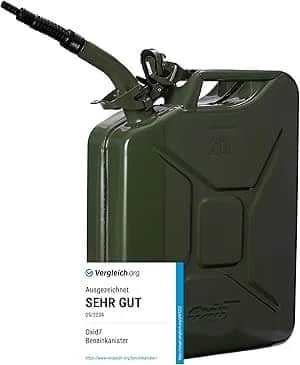
Fuel Reserve Required: During a blackout, gas stations won't have power. If you have no reserve fuel, you're left with a useless generator. Store 20-40 liters of reserve fuel (with stabilizer, maximum 1 year shelf life).
Maintenance: Engines need to run regularly and be maintained — otherwise they won't start in an emergency.
Solar Power Station / Battery: The Modern Alternative
What Is a Solar Power Station?
A solar power station (or portable home battery) is a lithium-ion battery with integrated AC/DC outputs and solar charging input. Brands like EcoFlow, Jackery, and Bluetti have developed highly practical devices in recent years.
Advantages
Silent: No moving parts, no engine — complete silence. Ideal for discreet preparedness during a crisis.
No Exhaust: Completely clean to operate — indoors, in an underground garage, anywhere.
Instant Availability: No starting, no warm-up — plug it in and you have power.
Rechargeable via Solar: With a foldable solar panel (100-200 W), you can recharge daily from sunlight — no fuel dependency.
Low Maintenance: No engine parts, no oil changes, no carburetor.
Disadvantages
Limited Capacity: A 1,000 Wh solar power station costs 600-1,000 euros. With it you can run a small refrigerator (50W) for 20 hours. Not enough for heating or stove use.
Charging Time: Via solar (200 W panel), a full charge takes 5-8 hours of sunshine — unreliably achievable in Germany during winter.
High Upfront Cost Per kWh: Significantly more expensive than a generator for equivalent capacity.
Direct Comparison: When to Choose Which?
| Criterion | Generator | Solar Power Station |
|---|---|---|
| Upfront Cost | 250-800 € | 600-3,000 € |
| Output Power | 1,000-5,000 W | 300-3,000 W |
| Runtime | Unlimited (fuel) | 2-20 hours |
| Noise | Loud (60-85 dB) | Silent |
| Exhaust | CO risk | None |
| Independence | Fuel-dependent | Sun-dependent |
| Indoor Use | Prohibited | Allowed |
| Maintenance | Regular required | Minimal |
| Best For | High power needs, long scenarios | Communication, lighting, small devices |
Our Recommendation: Combination Is Better Than Either-Or
For realistic crisis preparedness, we recommend a hybrid strategy:
Phase 1: Solar Power Station (Always): A 500-1,000 Wh power station (EcoFlow River 2, Jackery 1000) for ~600-900 euros handles smartphone charging, lighting, small radio, and laptop. Silent, safe, low-maintenance. This is the foundation.
Phase 2: Generator (Only When Necessary): A 2 kW gasoline inverter generator (Honda EU22i or equivalent) for larger loads — refrigerator, heating pump, hot water. Only outdoors, only when truly needed.
If you only have budget for one option: solar power station first. It covers the most common everyday outages, is safe, and can be stored in the house.
If you live in a house with a garage and garden and are planning for long-term scenarios: generator additionally for the heavy lifting.
Recommended Products
As an Amazon Associate we earn from qualifying purchases. Buying through our links supports the development of this app at no extra cost to you.