 Foto: Kai-Chieh Chan / Pexels
Gas Stove for Emergency Preparedness: Complete Buying and Safety Guide
Which gas stove is best for emergency use? What fuel options exist? How to use safely indoors and outdoors? Everything you need to know before buying.
Why You Need a Backup Stove
During any extended power outage, your electric cooktop or induction hob doesn't work. Even gas cooktops with electric ignition may not work without power (though they can often be lit manually — check your model).
A camping or emergency gas stove provides cooking capability independent of both the power grid and your home gas supply.
Gas Stove Types for Emergency Use
Single-burner camping stoves (Butane/Isobutane)
Best for: Individuals and couples, portable emergency use, budget preparedness
Advantages: Very cheap (€15-€50), lightweight, cartridges widely available, quick setup
Disadvantages: Small cooking surface, one burner only, cartridge cost adds up over time
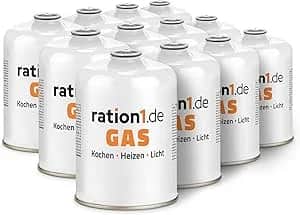
Recommended fuel: Screw-valve isobutane/propane mix canisters (EN417 standard) — better cold-weather performance than straight butane
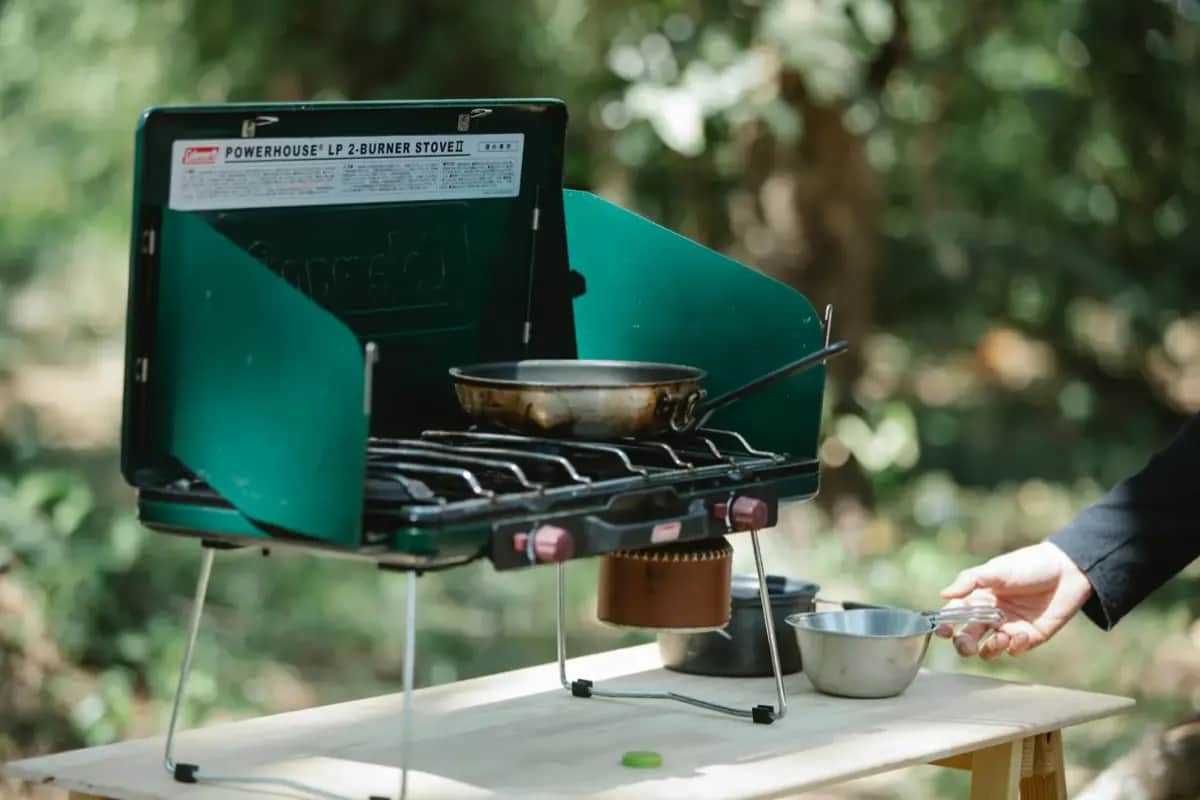
Two-burner propane camp stove
Best for: Families, more serious emergency cooking, outdoor use
Advantages: Two burners, higher heat output, larger cooking surface, propane works in cold weather
Disadvantages: Bulkier, requires 1-2kg propane tanks, not indoor safe without ventilation
Recommended: Coleman Classic or equivalent — proven reliability, widely available in Germany
Spirit/alcohol stoves
Best for: Ultralight backup option, fuel storage flexibility
Advantages: Very small, fuel (denatured alcohol/Spiritus) available everywhere, stores indefinitely
Disadvantages: Low heat output, slow cooking, not suitable for large quantities
Emergency tablet fuel stoves
Best for: Backup of the backup — smallest option possible
Advantages: Tablets store for years, waterproof, very compact
Disadvantages: Very slow, mainly for heating drinks or simple food
Indoor vs. Outdoor Safety
What can be used indoors (with ventilation)
- Alcohol/spirit stoves: acceptable with window open, relatively low CO output
- Small butane stoves: short duration with ventilation (CO risk increases with duration)
Never use indoors
- Propane stoves: too much CO output risk
- Gasoline stoves: fire and CO hazard
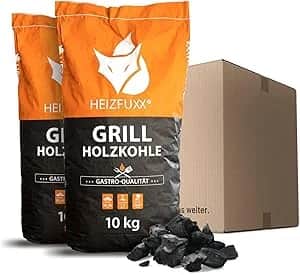
- Charcoal (Weber, etc.): deadly CO risk — this kills people every year
Best practice
For emergency cooking during power outages: cook outdoors when possible, or in a covered outdoor area (balcony, covered terrace) with full ventilation. This eliminates CO risk entirely.
If indoor cooking is necessary: use small butane stove, open window fully, cook briefly, never in a sealed room.
Fuel Storage and Shelf Life
| Fuel Type | Shelf Life | Notes |
|---|---|---|
| Butane/propane cartridges | 8-10 years | Keep dry, avoid temperature extremes |
| Propane cylinder | 10+ years | Valve integrity is the limiting factor |
| Denatured alcohol | 10+ years in sealed container | Check seals |
| Fuel tablets | 5+ years sealed | Very stable storage |
| White gasoline | 1-2 years sealed | Degrades faster than other fuels |
What to Cook on Emergency Stoves
Emergency stove cooking should focus on:
- One-pot meals (soups, stews, pasta with sauce)
- Rice, pasta, lentils
- Canned goods heated in pot
- Boiled water for instant meals, coffee, tea
Avoid: recipes requiring multiple simultaneous burners, long baking times, or precise temperature control.
Buying Recommendation
For most German households:
- Primary: One- or two-burner butane camp stove (€20-€50) + 12-18 cartridges (~€30-€50)
- Backup: Small spirit stove + 500ml Spiritus bottle
Total cost: €50-€100. Covers cooking needs for 2-4 weeks of intensive use or much longer if used sparingly.
Recommended Products
As an Amazon Associate we earn from qualifying purchases. Buying through our links supports the development of this app at no extra cost to you.