 Foto: Anne Nygård / Unsplash
Camping Stoves for Emergencies: Gas, Alcohol, or Wood?
Which camping stove works best in crisis situations? Comparison by fuel type, safety, and price.
Why a Camping Stove Belongs in Your Emergency Kit
A power outage leaves your electric stove cold. Gas furnaces need electrical ignition. Microwave, electric kettle, coffee maker — all offline. Without an alternative heat source, you're limited to cold canned goods and uncooked food — a situation that causes both physical and psychological strain after just a few days.
A reliable camping stove lets you boil water (critical for purification when water quality is uncertain), prepare hot meals, and maintain the morale that makes a difficult situation survivable. For families with young children, elderly members, or anyone with medical needs, access to hot water and cooked food isn't a comfort — it's a necessity.
This guide compares the three primary fuel types for emergency cooking and recommends specific models for each scenario.
The Three Fuel Types Compared
Gas Stoves (Butane/Propane/Isobutane)
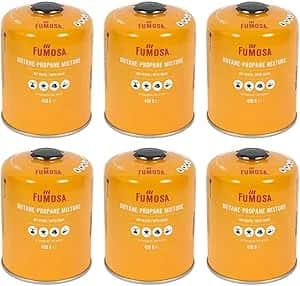
Gas stoves dominate the camping market for good reason: instant ignition, instantly adjustable flame, high output, and widely available fuel canisters. Screw-top canisters (EN417 standard) are sold at outdoor retailers, hardware stores, and increasingly at larger supermarkets.
Pros: Simplest operation, high cooking output, good fuel availability in normal times Cons: Canisters difficult to recycle, performance drops below 40°F (5°C), canisters become scarce during extended regional crises Indoor use: Only with adequate ventilation — CO poisoning risk with any combustion appliance
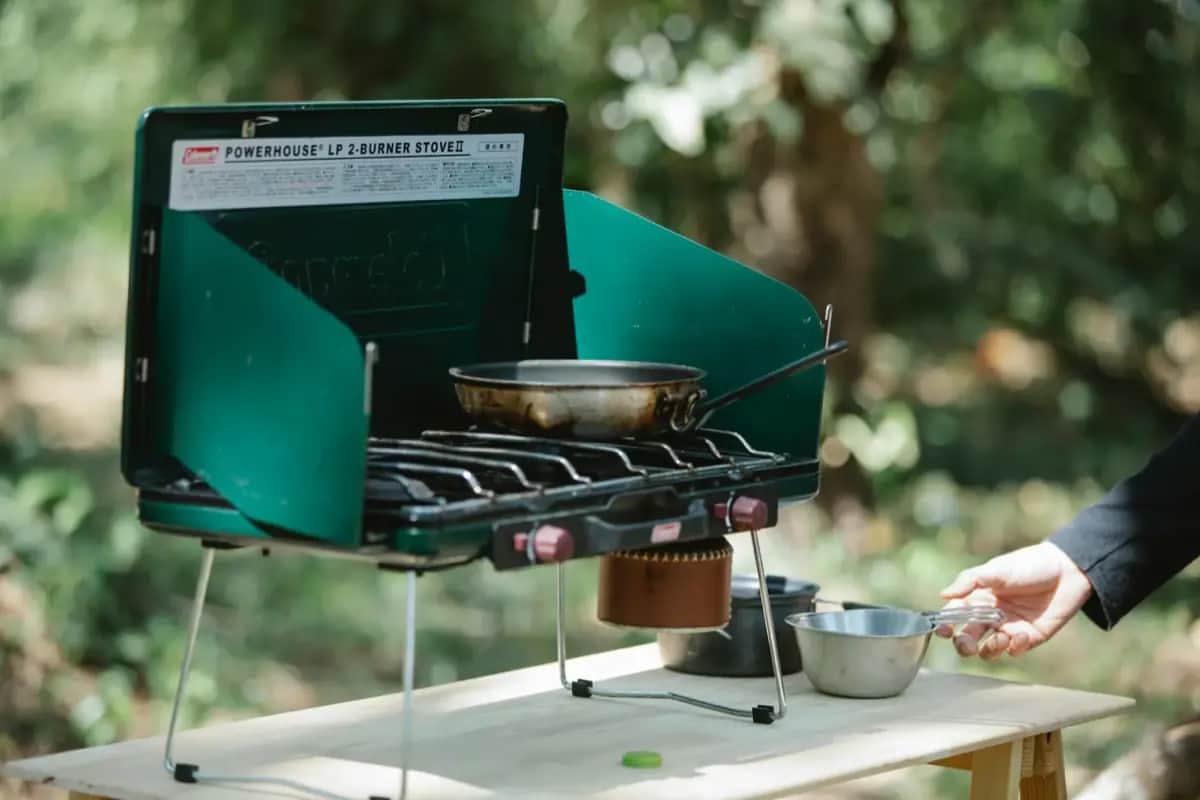
Recommended models: Jetboil Flash (integrated system, extremely fuel-efficient), MSR PocketRocket 2 (ultralight, affordable), Coleman Classic Propane Stove (affordable, reliable for stationary use)
Alcohol Stoves (Denatured Alcohol/Ethanol)
The Trangia alcohol stove system has been a backcountry cooking staple for decades. Denatured alcohol is cheap, available at hardware stores, and shelf-stable indefinitely. Alcohol stoves have no moving parts and require essentially no maintenance.
Pros: No pressurized container, unlimited shelf life, cheap fuel, near-indestructible design Cons: Lower output (~4,500 BTU/1 kW), slower cooking, flame nearly invisible in daylight, cannot be extinguished mid-cook (must burn out or be smothered) Indoor use: Ventilation required — lower CO output than gas but not risk-free
Recommended model: Trangia 25-1 UL (classic, complete system, decades-proven)
Wood/Biomass Stoves
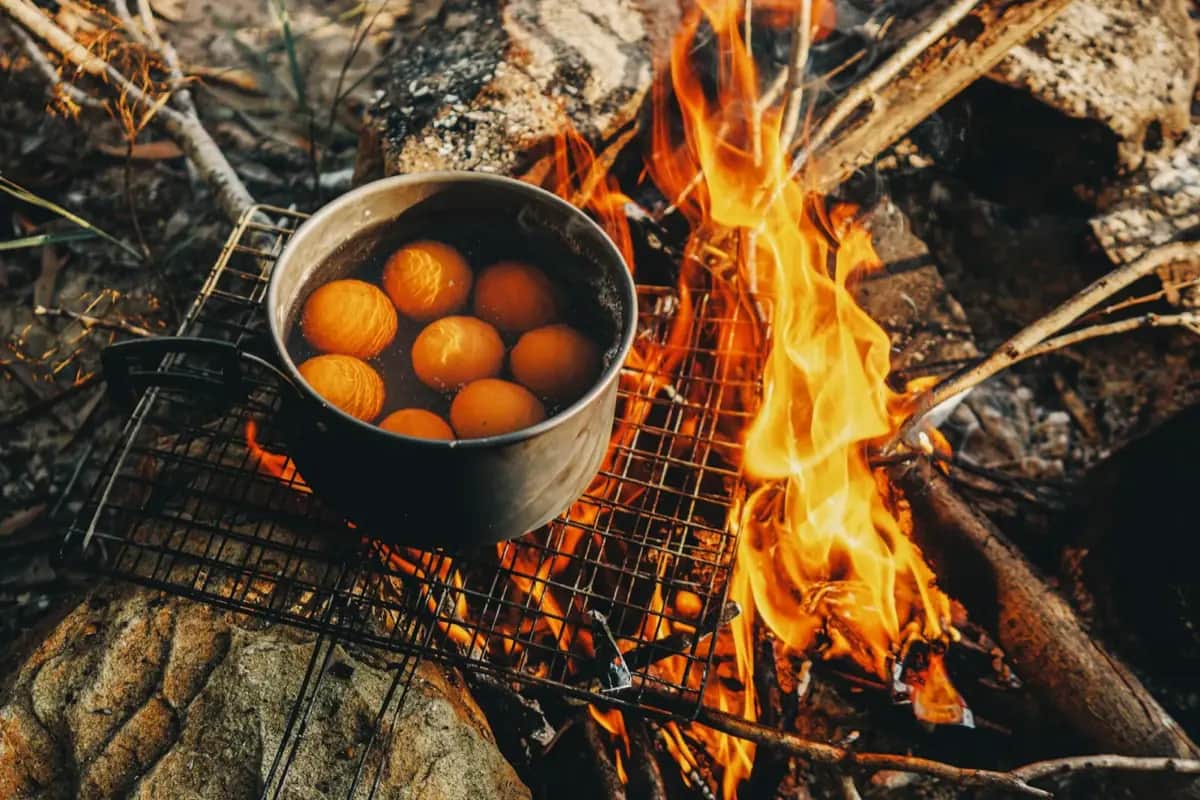
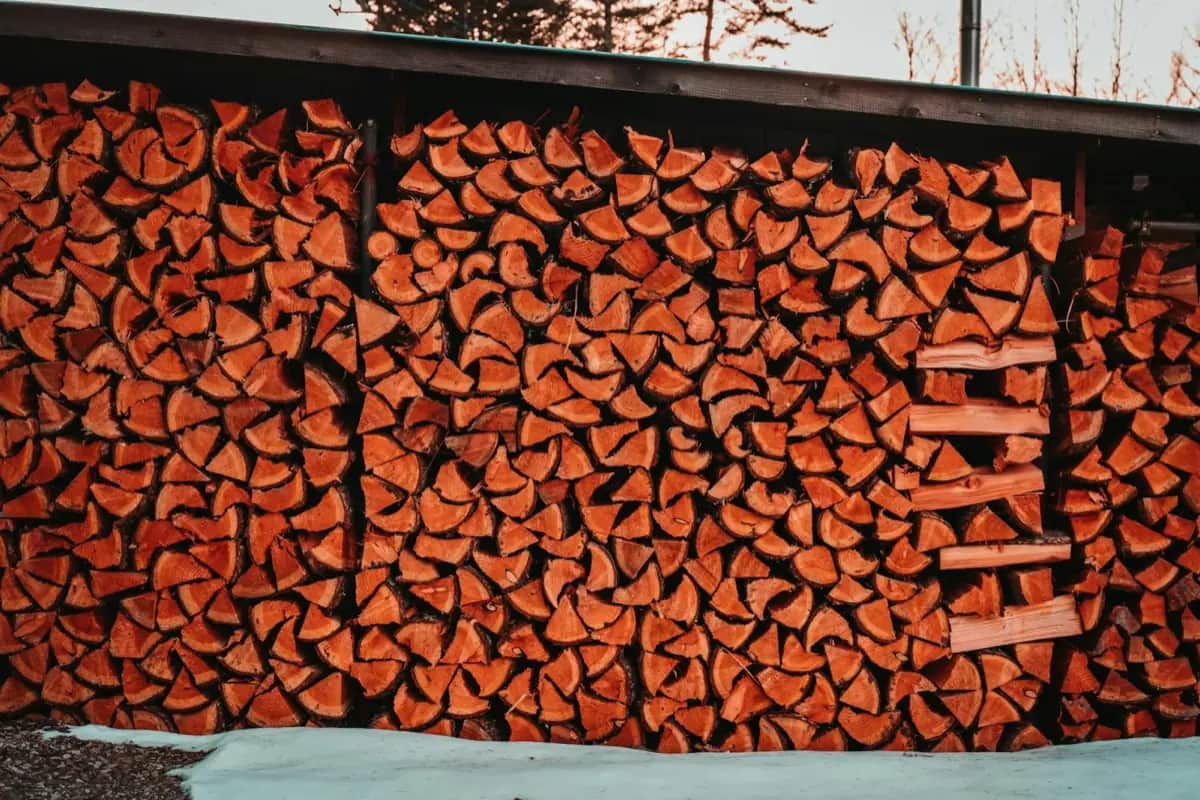
Wood stoves burn sticks, small logs, or compressed biomass. They require no fuel you must stockpile — firewood is available almost everywhere in rural settings. Models like the BushBox or Kelly Kettle are specifically designed for this kind of fuel-free cooking.
Pros: No fuel to stockpile, renewable fuel source, highest long-term sustainability Cons: Produces significant smoke and soot, outdoor-only, weather-dependent, more setup time required Indoor use: Absolutely not — CO poisoning risk is extreme
Recommended models: BushBox LF (compact, affordable), Kelly Kettle Base Camp (excellent for rapid water boiling)
Head-to-Head Comparison
| Criteria | Gas Stove | Alcohol Stove | Wood Stove |
|---|---|---|---|
| Output | High (8,000-15,000 BTU) | Low (~4,500 BTU) | Medium (~8,000 BTU) |
| Fuel Availability | Good (until crisis) | Excellent (hardware store) | Excellent (outdoors) |
| Shelf Life of Fuel | Limited (canisters) | Unlimited | Unlimited |
| Indoor Use | Yes (with ventilation) | Yes (with ventilation) | No |
| Maintenance | Low | Very low | Medium |
| Device Price | $20-150 | $50-100 | $20-80 |
| Fuel Cost | $3-6/canister | $2-4/liter | Free |
Safety: What You Must Know
Carbon Monoxide (CO): All open flames produce CO. In poorly ventilated indoor spaces, this can be fatal. Minimum requirement: a window cracked open, never in a basement without ventilation, never in a bedroom.
Fire hazard: Place stoves on stable, non-flammable surfaces. No tablecloths, no paper, no wooden surfaces directly beneath. Keep a fire extinguisher or bucket of sand within reach.
Gas canisters: Never store near open flame, never heat, never puncture. Vent empty canisters outdoors before disposal.
Recommendations by Scenario
Home Emergency Preparedness (Apartment / House)
Recommendation: Gas stove + stockpiled canisters
Easiest operation, immediate use. For a 14-day emergency supply, 10-15 canisters (220g each) should be sufficient. Use only in a well-ventilated area (kitchen with open window). Keep an alcohol stove as an absolute backup for when canisters run out.
Bug-Out Bag
Recommendation: MSR PocketRocket 2 + two 100g canisters
Lightweight (2.6 oz / 73g), compact, high output. Two 100g canisters provide roughly 60 minutes of cooking time. For extended use, switch to an alcohol stove — denatured alcohol is easier to resupply than specialized gas canisters during a crisis.
Rural Areas with Wood Access
Recommendation: BushBox + gas stove as backup
In regions with a yard, woods, or rural surroundings, a wood stove is the most sustainable solution for extended emergencies. No fuel to stockpile, no supply chain dependency. Pair it with a small gas stove for quick indoor use during early stages.
Conclusion: Layered Preparedness Beats Single Solutions
The smartest emergency cooking strategy uses multiple stove types: a gas stove for fast, comfortable cooking in the first days; an alcohol stove as a maintenance-free backup with indefinitely storable fuel; and the knowledge and equipment to cook over open fire or a wood stove when all other options are exhausted.
Invest in quality for your primary stove ($20-60 for a solid gas stove) and maintain at least a 7-day fuel reserve. A warm meal during a crisis does more for morale than almost any other preparation.
Recommended Products
As an Amazon Associate we earn from qualifying purchases. Buying through our links supports the development of this app at no extra cost to you.