 Foto: Uriel Mont / Pexels
6 Dangerous Gas Stove Mistakes Indoors: What Not to Do in an Emergency
These 6 mistakes when using gas stoves indoors during an emergency can cause fires, explosions, or fatal CO poisoning. Essential safety knowledge before the next power outage.
Why Gas Stove Mistakes Are Serious
Portable gas stoves are among the most useful emergency cooking tools: they're affordable, widely available, and work without electricity. They're also among the most misused pieces of emergency equipment, particularly when people bring them indoors during a power outage in winter.
The risks are not theoretical. People die from gas stove-related CO poisoning and fires in Germany every year, predominantly in emergency situations where users were improvising in unfamiliar conditions.
Mistake 1: Using a Camping Gas Stove Indoors Without Ventilation
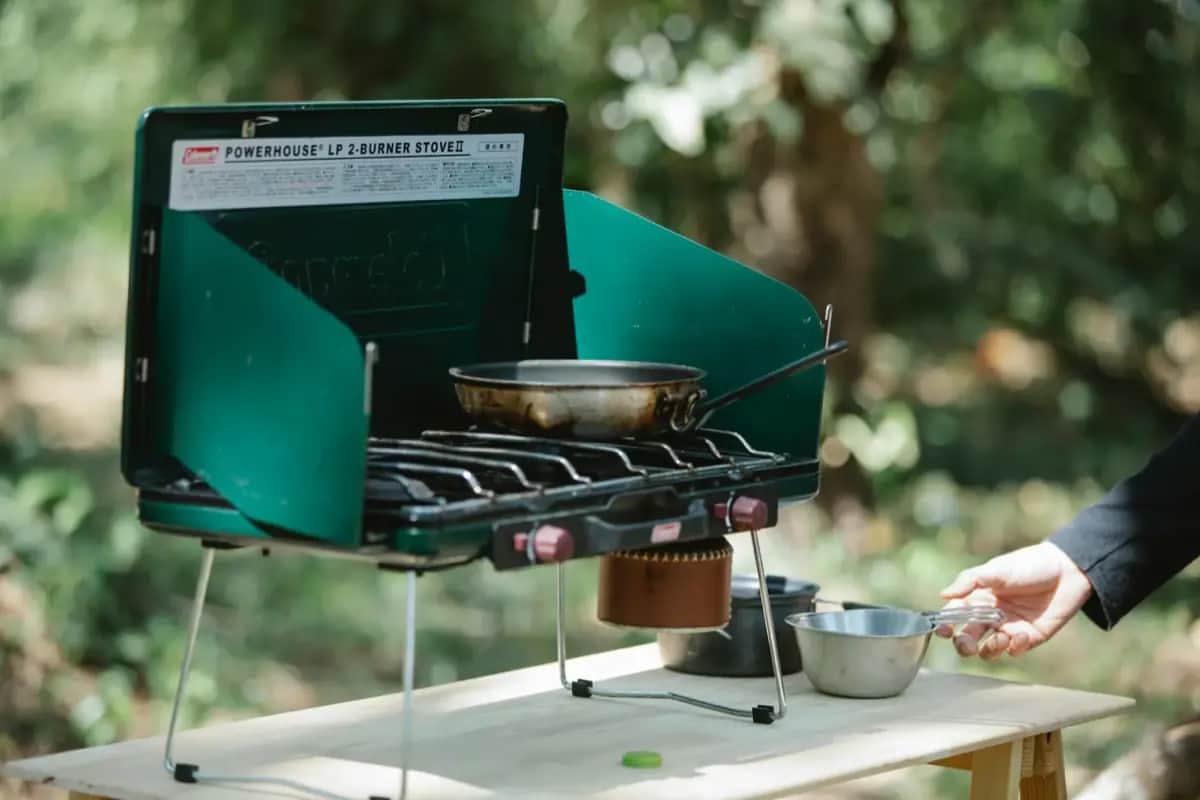
Camping gas stoves — the type using butane/propane cartridges — are designed for outdoor use. They produce carbon monoxide (CO) as a byproduct of combustion, even when burning cleanly.
CO is colorless and odorless. In an enclosed room with poor ventilation, it accumulates. At moderate concentrations (200–400 ppm): headache, dizziness, confusion. At higher concentrations: unconsciousness and death. Victims often don't realize they're in danger before it's too late.
The rule: A camping gas stove belongs outdoors or in a very well-ventilated area (large open window on both sides, significant air movement). It does not belong in a sealed room, basement, or tent during an emergency.
If you must use it indoors: open at least two windows on opposite sides of the room, keep use duration short, and step outside every 10–15 minutes for fresh air.
Better solution: Use the stove on a balcony or at an open exterior doorway. The small inconvenience is far preferable to CO poisoning.
Mistake 2: Leaving the Stove Unattended
A gas flame left unattended is a fire hazard. Pots boil dry, water boils over and extinguishes the flame (leaving unburned gas flowing), and in a disorganized emergency environment with multiple distractions, people forget cooking in progress.
A standard camping gas stove has no automatic shut-off. If the flame is extinguished by a boilover or wind, gas continues to flow until the valve is manually closed.
Rules for gas stove use:
- Never leave a lit stove unattended
- Stay within arm's reach during cooking
- If you must step away: turn off the valve
- Keep flammable materials (dish towels, packaging, curtains) well away from the stove
Mistake 3: Using Damaged, Expired, or Incompatible Cartridges
Gas cartridges degrade over time. Rubber seals and valves dry out. An old cartridge may fit the connection but not seal properly, leaking gas.
Problems to check:
- Expiration date: Most cartridges have a 10-year shelf life. Check the date stamped on the bottom.
- Damaged valve or seal: Any cartridge that has been dropped or deformed should not be used
- Compatibility: Not all cartridge types fit all stoves. The main types in Germany are Schraubventil (screw thread, EN417) and Stechventil (puncture-type). These are NOT interchangeable.
Always test cartridge connection carefully: attach, then smell for gas before lighting. If you smell gas before ignition, do not proceed. Detach, take outdoors, and do not use.
Mistake 4: Storing Gas Cartridges Incorrectly
Gas cartridges should be stored:
- Upright (valve up)
- At room temperature (10–30°C)
- Away from heat sources, direct sunlight, and open flame
- In a ventilated area
Do not store:
- In vehicles (temperatures exceed 50°C in summer — explosion risk)
- Near heating systems, radiators, or electrical panels
- In large quantities in living spaces without ventilation
A car boot in direct summer sun with gas cartridges is a genuine explosion risk. This is not a theoretical concern — it happens.
Mistake 5: Ignoring Carbon Monoxide Warning Signs
Even with windows open, extended indoor use of a gas stove can cause CO buildup. Recognizing the symptoms prevents incapacitation:
Early symptoms (100–200 ppm):
- Mild headache
- Slight dizziness
- Mild fatigue
Moderate symptoms (200–400 ppm):
- Strong headache
- Dizziness and nausea
- Confusion
The dangerous pattern: Symptoms often feel like a flu headache or tiredness. People attribute them to stress, hunger, or illness — not to CO — and stay in the area. CO exposure then intensifies.
If you experience unexplained headache or dizziness while using a gas stove indoors: Stop cooking immediately, turn off the stove, go outside, breathe fresh air. If symptoms persist or are severe: call 112.
Install a battery-powered CO detector in your home. This is essential if you ever intend to use combustion equipment indoors.
Mistake 6: Improvising Connections or Repairs
Gas equipment is not for improvisation. Attempting to:
- Adapt an incompatible cartridge with homemade fittings
- Reconnect a leaking valve with tape or sealant
- Use a cracked stove body
...creates gas leak risk, fire risk, and explosion risk. If equipment is damaged or incompatible, don't use it.
If you smell gas:
- Do not operate any electrical switches (including light switches — sparks can ignite gas)
- Do not light anything
- Open all windows and doors
- Leave the building
- Call emergency services from outside
Safe Alternatives for Indoor Cooking Without Gas
For indoor emergency cooking with lower risk:
Electric induction or hot plate (powered by power station): Zero combustion, zero CO risk, fully safe indoors. Requires a power station with adequate AC output (typically 1,200–2,200W for induction plates).
Solar oven: Works outdoors in sunlight with no fuel, no combustion, no CO risk. Slow but effective for many foods.
Thermos cooking (retained heat cooking): Bring food to a boil on outdoor stove, seal immediately in a large thermos or insulated pot, allow residual heat to complete cooking. One brief outdoor flame use for each meal.
Summary
| Mistake | Risk | Fix |
|---|---|---|
| Indoor use without ventilation | CO poisoning (can be fatal) | Outdoors or fully ventilated; CO detector |
| Unattended stove | Fire; gas leak | Never leave lit stove unattended |
| Damaged/incompatible cartridge | Gas leak, fire | Check date and compatibility; smell test before igniting |
| Wrong storage | Explosion (vehicle heat) | Room temp, ventilated, upright, away from heat |
| Ignoring CO symptoms | Progressive poisoning | Headache + stove = outside immediately |
| Improvised connections | Gas leak, fire, explosion | Only manufacturer-matched equipment; replace damaged items |
Recommended Products
As an Amazon Associate we earn from qualifying purchases. Buying through our links supports the development of this app at no extra cost to you.