 Foto: Ron Lach / Pexels
Crisis Preparedness for Beginners, Part 1: Why Start and Where to Begin
Why you should start crisis preparedness now and what the first steps really are — without panic, without over-investment. Part 1 of the beginner series.
Crisis Preparedness for Beginners, Part 1: Why Start and Where to Begin
Crisis preparedness sounds like bunkers and paranoia. In reality, it's the most sensible thing you can do for your family.
Why Start Now?
Authorities recommend that every household maintain an emergency supply for 10 days. Only about 17% of people actually do this.
What can happen?
- Extreme weather events are increasing
- Supply disruptions through cyberattacks
- Regional power outages
You insure your car, your home, your health. Crisis preparedness is your self-insurance.
The Most Common Beginner Mistakes
Mistake 1: Too much at once Many beginners immediately spend €2,000. This leads to poor choices, too much spoilage, and early burnout.
Mistake 2: Preparing for the wrong scenario Most people don't need an atomic bunker. Everyone needs a 72-hour supply for a regional power outage.
Mistake 3: Buying without a system Without a rotation system, everything expires.
The Right Mindset
Crisis preparedness isn't a hobby for hardcore preppers. It's common sense — like brushing your teeth or changing tires.
Your goal: Survive 72 hours independently without external help in a crisis.
Where to Start: The 4 Pillars
Pillar 1: Water
1 liter per person per day minimum. For 3 days: 4 people = 12 liters. Buy mineral water bottles in 1.5-liter units.
Pillar 2: Food
Non-perishable foods you already enjoy. No exotics needed. Canned goods, hard wheat pasta, rice, granola bars.
Pillar 3: Light and Communication
Flashlight with backup batteries. Crank or battery radio for official announcements.
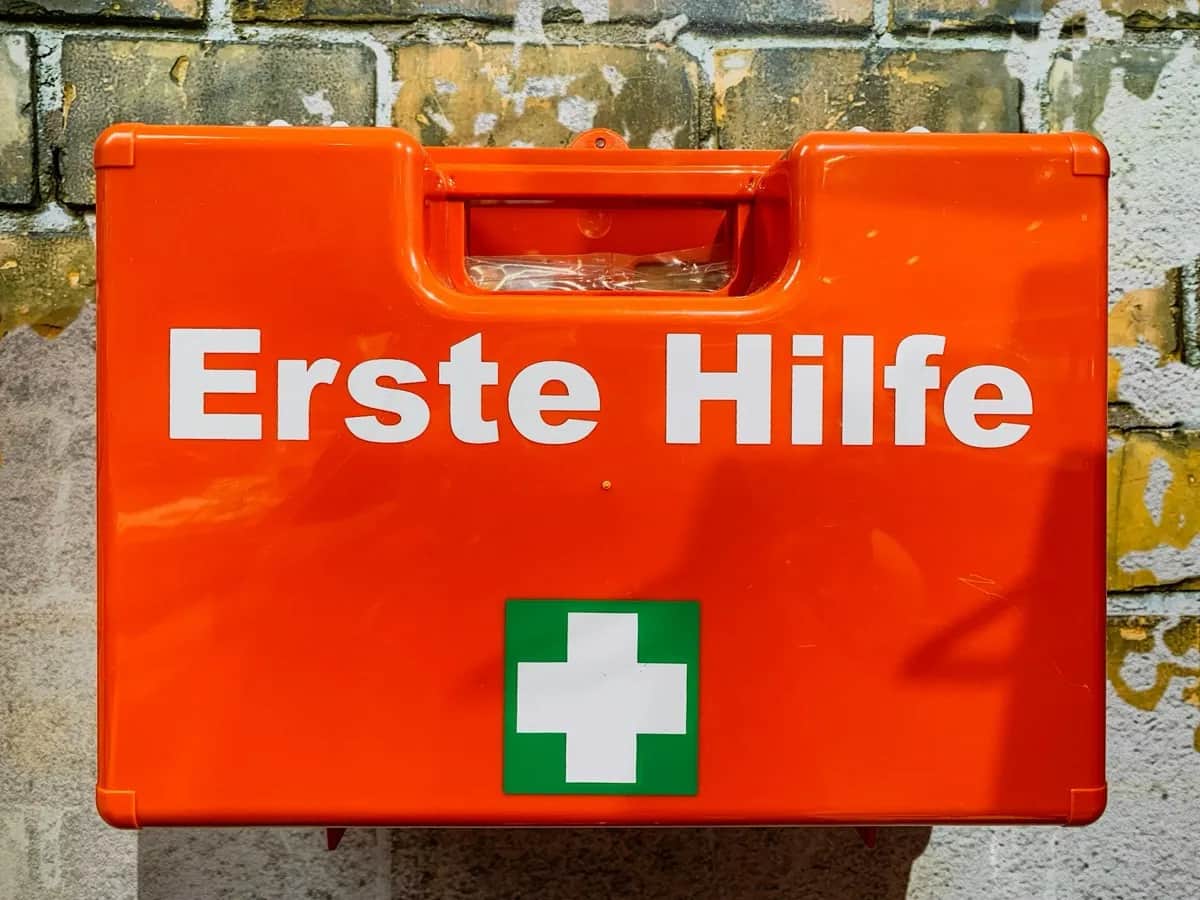
Pillar 4: First Aid
A complete first aid kit and the knowledge to use it.
Your Entry Plan for the First Month
| Week | Task |
|---|---|
| 1 | Buy 12 liters of water, check flashlight |
| 2 | 3-day food supply from existing pantry |
| 3 | Buy radio, get batteries |
| 4 | Check and replenish first aid kit |
Continue in Part 2
In the second part of this series, I'll show you how to systematically build up to a 2-week supply and set up a rotation system.
Part 1 complete: You now have the mental foundation and first 4 steps. No stress, no pressure — one step at a time.