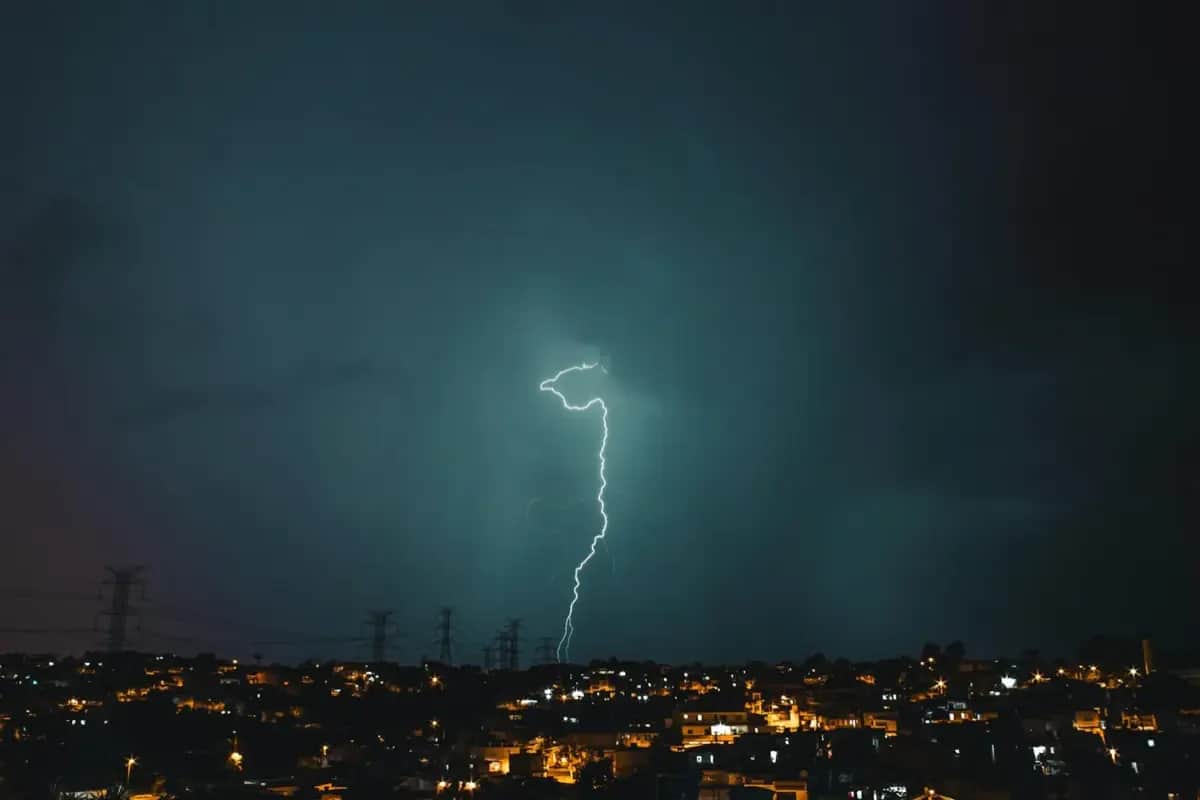
 Foto: Walls.io / Pexels
How to Convince Your Family to Prepare for a Blackout
Your family thinks emergency preparedness is paranoia? 7 arguments and psychological strategies to convince partners and family members to get on board.
The Core Problem: Emergency Preparedness Feels Unreal
The most common reaction to emergency preparedness: "That won't happen to us." Or: "You're a prepper." Or simply: disinterest.
This is psychologically normal. People systematically underestimate rare, abstract risks — a phenomenon psychologists call normalcy bias. The brain calculates based on what has happened before. Because a long blackout hasn't happened yet, it seems unreal.
Your task is not to generate fear — it's to frame emergency preparedness as sensible, normal behavior.
Argument 1: Official Authorities Recommend It
Emergency management agencies in most countries — including FEMA in the US and the BBK in Germany — explicitly recommend that all citizens prepare for emergencies. Following this recommendation isn't extremism; it's civic responsibility.
How to use it: "This isn't my idea — it's what official emergency management recommends."
Argument 2: Insurance You Hope Never to Use
Nobody buys home insurance expecting their house to burn. You buy it for the just-in-case. Emergency preparedness is the same: insurance that's almost never needed — but decisive when it is.
How to use it: "I insure my car even though I don't expect an accident. A 2-week food supply costs €100-200 one-time — cheaper than any insurance policy."
Argument 3: Small Outages Happen Regularly
Without a major blackout: power outages of 1-8 hours happen multiple times per year in most regions. A storm, construction work, a technical fault — and suddenly the heating is off.
How to use it: "During the last storm, power was out for 3 hours. A 2-week supply makes even small outages stress-free."
Argument 4: Start Small — No Radical Overhaul Needed
Complete emergency preparedness can sound like a fortress or extreme effort. Start with the absolute basics: a power bank, 10 liters of water, canned food for a week.
How to use it: "Let's just buy a power bank and store 10 liters of water. That costs €30 and 30 minutes."
Argument 5: Children Need Security
If children are in the household, this is a particularly effective argument. Children cannot care for themselves. Parents are responsible for ensuring they're safe in an emergency.
Argument 6: Involve Everyone in the Decision
Instead of planning alone and confronting the family, involve everyone. Ask: "What would we do if power was out for 3 days?" Let the family develop answers themselves.
What to Avoid
- Using fear as a tool: catastrophe scenarios create resistance, not preparation
- Going all-in immediately: a 6-month stockpile as a first goal overwhelms people
- Going solo: if a partner or family rejects the topic, stockpiling secretly doesn't help
Conclusion
Emergency preparedness doesn't need a disaster mindset — it needs rational arguments and a small first step. The official recommendation argument, the insurance metaphor, and a modest starting point are often sufficient to overcome the first barrier.
Recommended Products
As an Amazon Associate we earn from qualifying purchases. Buying through our links supports the development of this app at no extra cost to you.