 Foto: Brett Sayles / Pexels
6 Blackout Myths Debunked: What's Actually True?
Does everything collapse when the power goes out? Will your phone last days? We fact-check the 6 most common blackout myths with real data.
Myth 1: "My Phone Will Last Days During a Blackout"
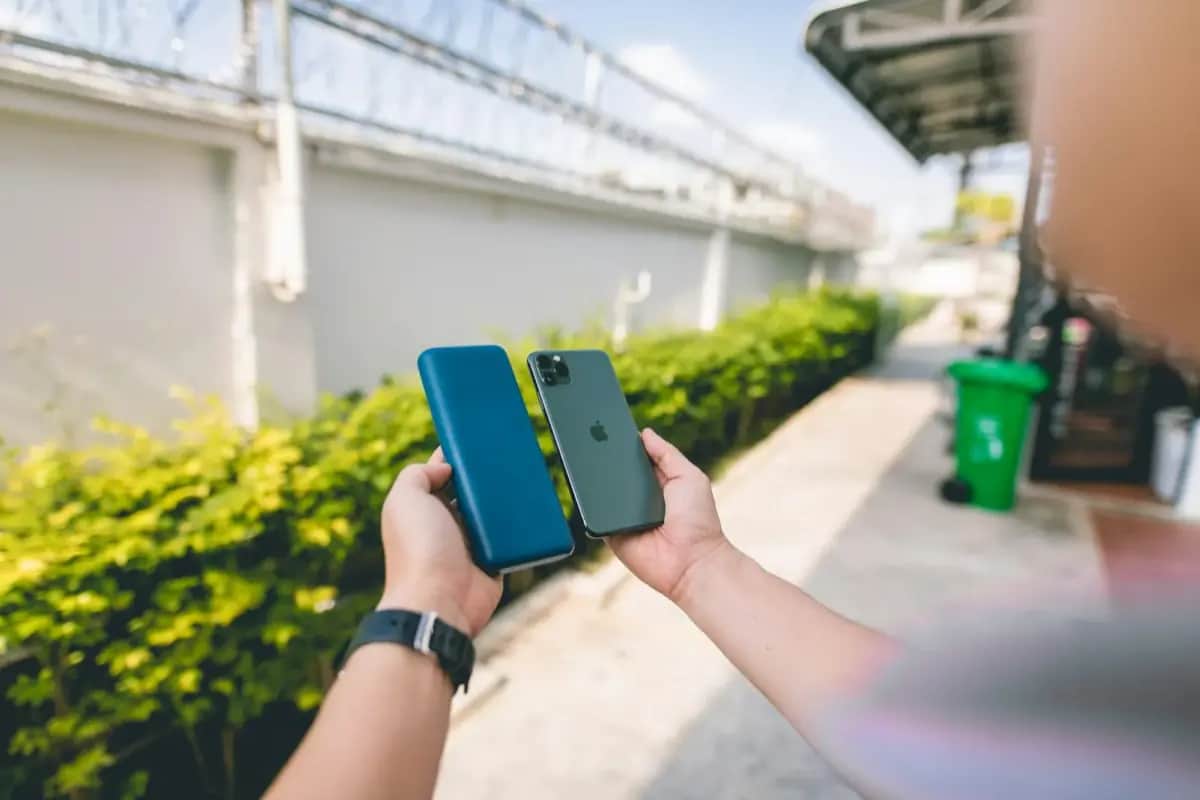
Reality: Your smartphone depends on power — both the battery and the cell towers. Most mobile base stations in Europe only have backup generators for 4-8 hours. After that, connections drop progressively.
What to do: Charge your phone immediately when you hear about a potential blackout. Get a power bank with at least 20,000 mAh. Prioritize offline communication.
Myth 2: "The Refrigerator Keeps Food Fresh for 2 Weeks"
Reality: Without power, a standard refrigerator only stays safe for 4-6 hours before temperatures rise above 8°C — the threshold where bacteria multiply rapidly. A well-insulated freezer, kept 2/3 full, can last up to 48 hours.
What to do: Open the refrigerator as rarely as possible during a blackout. Eat perishables first.
Myth 3: "All Electronics Get Damaged by Power Outages"
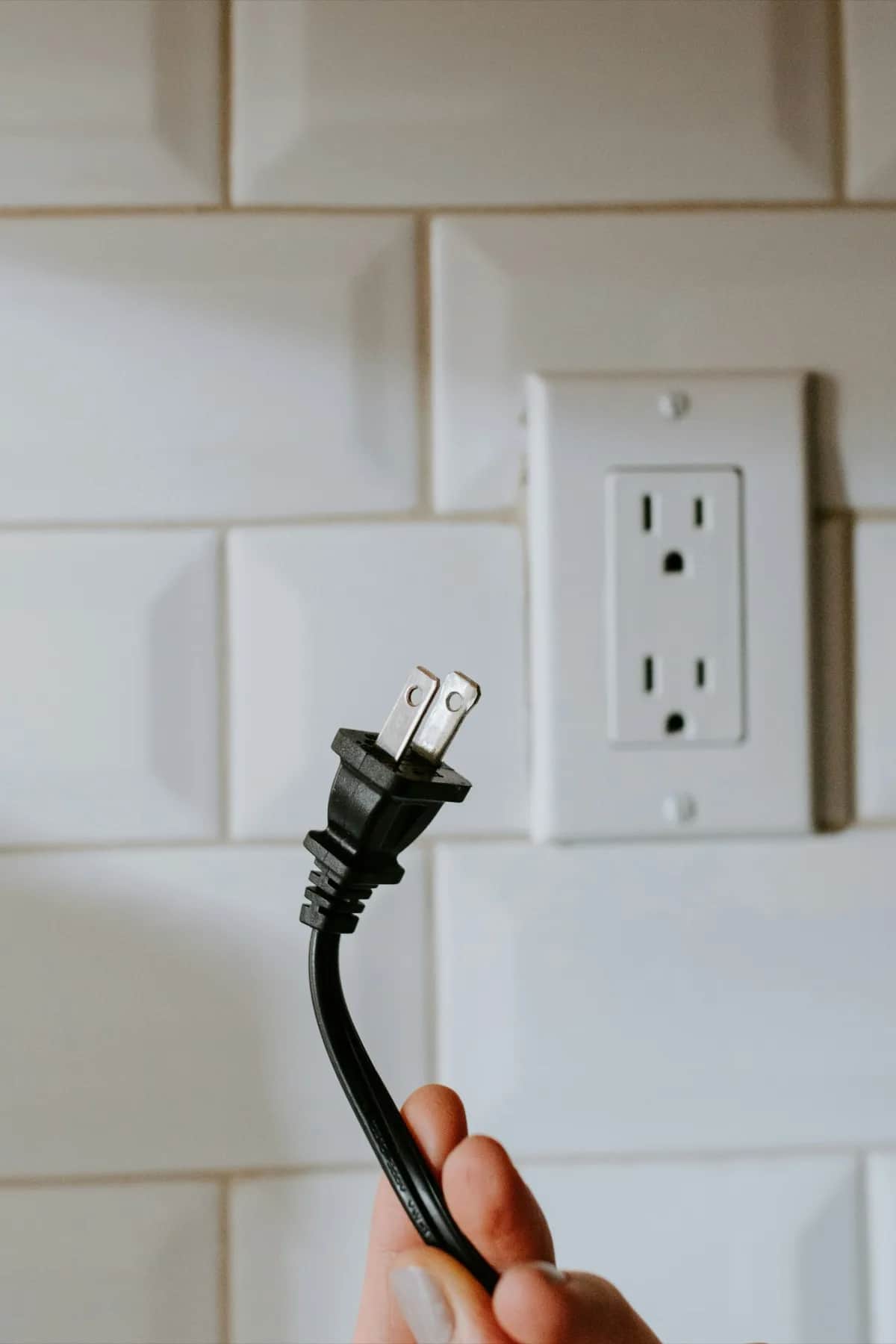
Reality: Normal power cuts don't typically damage devices. The risk lies in the return of power: when many devices start simultaneously, brief voltage spikes can occur. Surge protectors are sensible but not urgent.
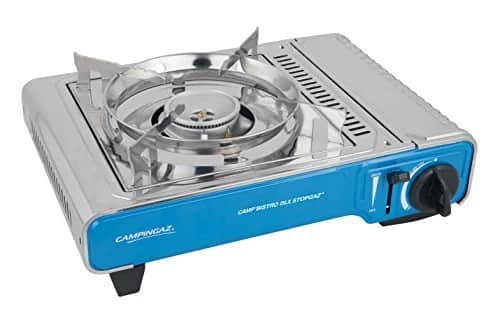
Myth 4: "I Can Make a Campfire in My Living Room"
Reality: Open fire indoors is life-threatening. The biggest risk: carbon monoxide from incomplete combustion.
What to do: Plan heat backup with electric heaters + power station, thermal blankets, multiple clothing layers, or a certified gas heater with ventilation.
Myth 5: "Tap Water is Always Safe During a Blackout"
Reality: Water utilities need power for pumps and treatment. During a long blackout, water pressure can drop or fail. Health authorities recommend boiling drinking water during extended power outages.
What to do: Fill water containers immediately when a blackout is announced. Keep at least 14 liters per person as reserve.
Myth 6: "Blackouts Won't Affect Me — My Country's Grid is Stable"
Reality: Western European grids are among the most reliable in the world — but that doesn't mean zero risk. Scenarios include extreme weather, cyberattacks on infrastructure, and cascade failures in the European interconnected grid.
What to do: Prepare for 72 hours without power — that's the official recommendation from most European emergency management authorities.
Conclusion
Blackout myths can be dangerous because they create false security or lead to wrong actions. The most important lesson: prepare realistically without overdoing it.
Recommended Products
As an Amazon Associate we earn from qualifying purchases. Buying through our links supports the development of this app at no extra cost to you.