 Foto: Ali Mansour / Pexels
grundlagenJune 23, 20273 min read
Car Emergency Kit Checklist: What Every Vehicle Should Have
Complete car emergency kit checklist: what's legally required, what you should add, and how to store it — print and check your vehicle twice a year.
Car Emergency Kit Checklist: What Every Vehicle Should Have
Print this checklist and check your vehicle once per half year.
Legal Requirements
- Warning triangle (reflective)
- High-visibility vest (at least 1, recommended: for all passengers)
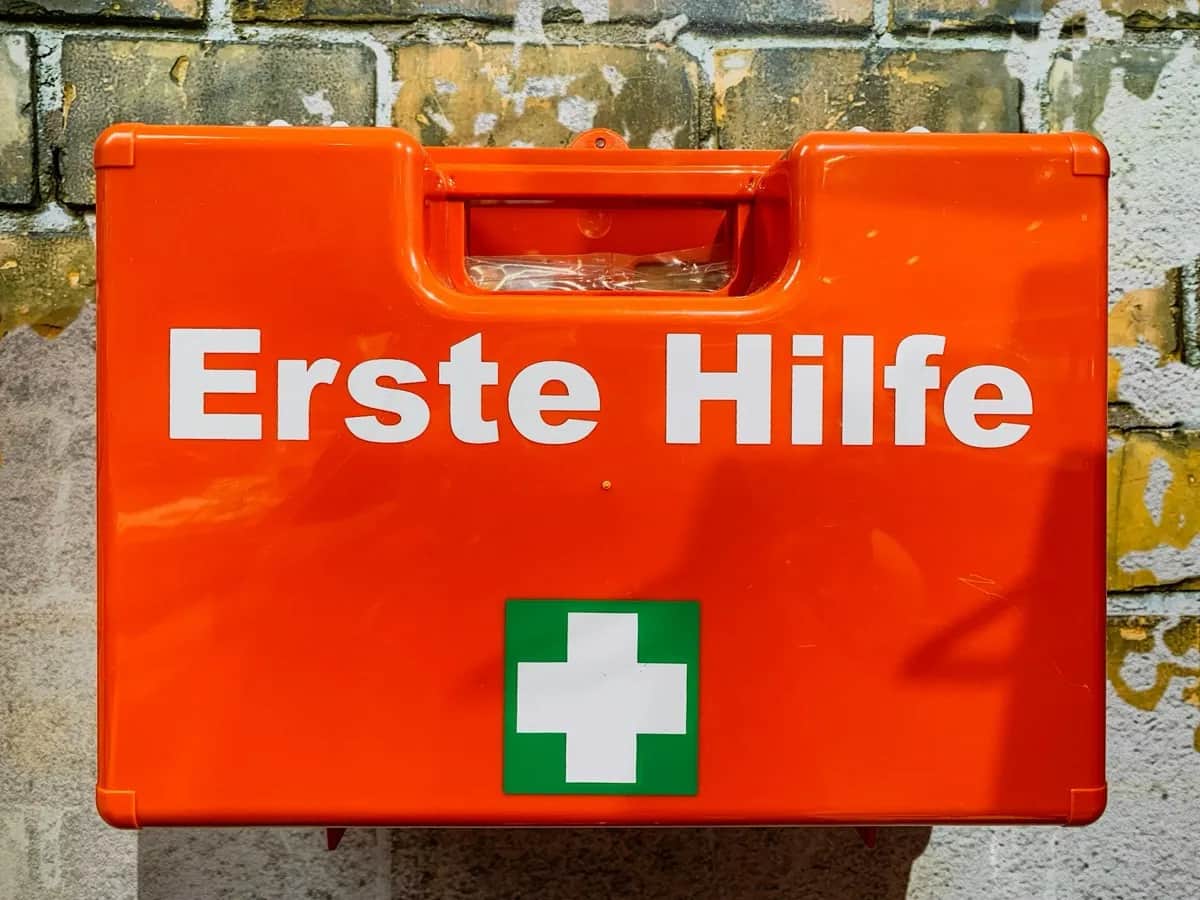
- First aid kit (check expiry dates on contents)
Safety and Breakdown Assistance
- Jumper cables (at least 2.5 m, 16 mm² cross-section)
- Tow rope or tow bar
- Tire repair kit or spare wheel (inflated!)
- Tire pressure gauge
- Spare bulbs set
- Spare fuses set
- Duct tape
- Work gloves
Lighting and Navigation
- LED flashlight (fresh batteries)
- Headlamp
- Warning lights / flashing beacons
- Paper road map for the region
- Compass
Energy and Communication
- 12V inverter (150-300 watt)
- Power bank (fully charged)
- Charging cables for phone
- PMR radio with spare batteries
- Car radio (FM for official broadcasts)
Water and Food
- 2x 1.5 liter mineral water
- Granola bars or emergency food (500 kcal minimum)
- Cup or water bottle
Warmth and Protection
- Emergency blanket (gold/silver, at least 2 pieces)
- Wool blanket or sleeping bag
- Rain jacket or poncho
- Gloves and beanie (winter)
Tools and Multi-Purpose
- Multitool (e.g., Victorinox)
- Safety hammer with window breaker and seatbelt cutter
- Rope (5 m, 100 kg load capacity)
- Large garbage bags
Hygiene
- Hand sanitizer
- Tissues
- Toilet paper (1 roll)
- Wet or dry cleaning wipes
Documents (Copies in Car)
- Vehicle registration (copy)
- Driver's license (copy — never leave original in car)
- Insurance certificate
- Emergency contacts on paper
Seasonal Check (Spring / Autumn)
- Tire change (winter vs. summer tires)
- Coolant frost protection
- Windshield wipers
- Battery status check
- Ice scraper and de-icer (winter) / sun shade (summer)
Storage and Care
Temperature matters: Don't store water and food in direct sunlight at 60°C. A plastic box holds better than cardboard.
Quarterly check: Expiry dates on food and first aid materials, battery levels of flashlight and power bank.
This checklist covers all basic scenarios: breakdown, roadside emergency, short-term evacuation, and regional crisis situations.