 Foto: cottonbro studio / Pexels
Crisis Preparedness on a Small Budget: Complete Savings Guide
You don't need thousands of euros for effective crisis preparedness. This complete guide shows how to build meaningful resilience with a small budget, step by step.
The Cost Myth in Crisis Preparedness
The preparedness industry (yes, it's an industry) would have you believe that effective crisis preparedness requires €5,000+ in specialized gear, freeze-dried food subscriptions, and tactical equipment.
This is false. The most important preparedness investments cost almost nothing. The 80% that matters is cheap.
This guide gives you a realistic, step-by-step approach for households with limited budgets.
Phase 1: Free (This Week)
These actions cost nothing but time.
Download NINA App
Germany's official warning app. Push notifications for emergencies in your area. 10 minutes to download and configure. Free.
Find Out Your Local Risk Profile
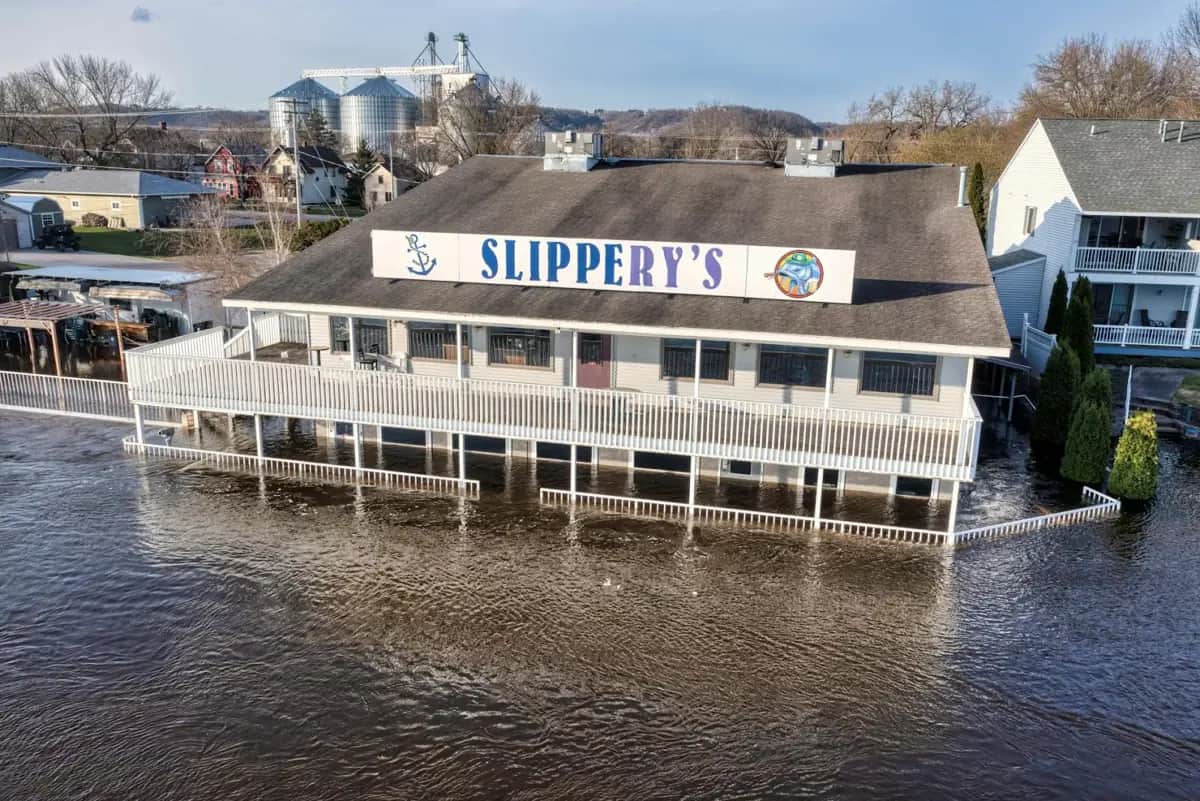
What are the realistic hazards in your area? Flood zone? Industrial neighbors? Near-fault zone? Your municipal website and the BBK risk map provide this information.
Knowing your actual risks lets you prioritize preparation. If you're nowhere near a flood zone, invest water-prep money elsewhere.
Create a Family Emergency Plan
On paper:
- Family meeting point (primary and secondary)
- Emergency contacts (including one out-of-area)
- Location of critical documents
- Location of emergency supplies
Time: 30 minutes. Cost: €0.
Inventory What You Have
Before buying anything: audit existing supplies. Most households already have flashlights, first aid materials, non-perishable food, and radio capacity they haven't thought about.
Phase 2: Under €50 (First Month)
Water Storage
8 liters per person in sealed containers. Refillable water containers from outdoor stores or supermarkets. At €0.20/liter in containers, 8 liters per person for a family of four = €6.40 in water + €15-20 in containers.
Total: ~€25 for a family of four, 2-3 day water supply.
Battery-Powered Radio
A second-hand DAB+/UKW radio from eBay or local classifieds: €15-30. Alternatively, new from discounters: €25-40. Essential for emergencies when internet and mobile data fail.
Cash Reserve
€100-200 in small bills. Not a purchase — a reallocation. Keep at home, separate from normal spending money.
Running total for Phase 2: ~€50-70
Phase 3: Under €150 (Months 2-3)
2-Week Food Supply Using Supermarket Prices
Build your food supply from normal supermarket staples:
- Rice: 5kg (~€4)
- Lentils/beans (canned): 20 cans (~€15)
- Pasta: 5kg (~€5)
- Canned tomatoes: 15 cans (~€10)
- Canned tuna or sardines: 20 cans (~€15)
- Oats: 2kg (~€3)
- Oil, salt, spices (~€10)
- Peanut butter: 2 jars (~€6)
Total food for two weeks, two people: ~€70
Camping Stove + Fuel
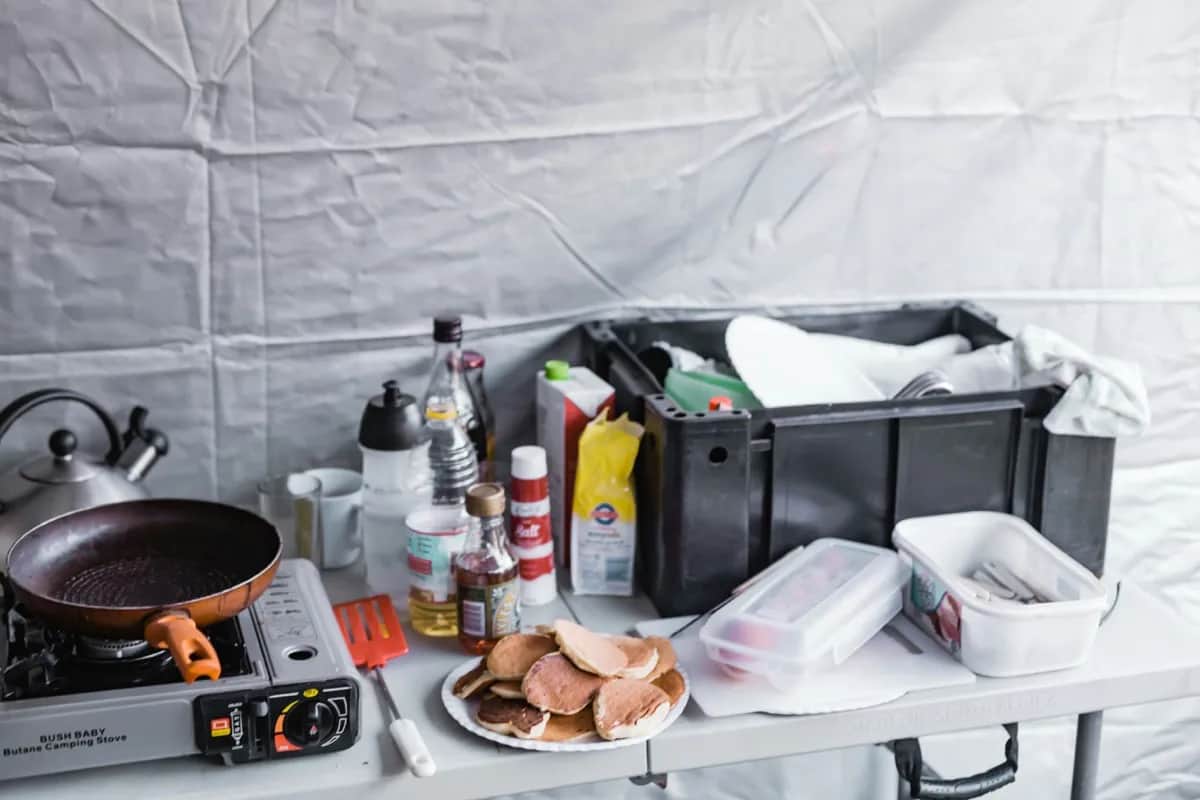
Basic single-burner camping stove from discounter or eBay: €15-25. Add 6 butane cartridges: €12-15.
Total: ~€30
Running total through Phase 3: ~€150-200
Phase 4: Under €300 (Months 4-6)
Go-Bags
Two basic go-bags using existing backpacks + purchased essentials:
- Water in pack (3L per person, 2-day supply): existing bottles
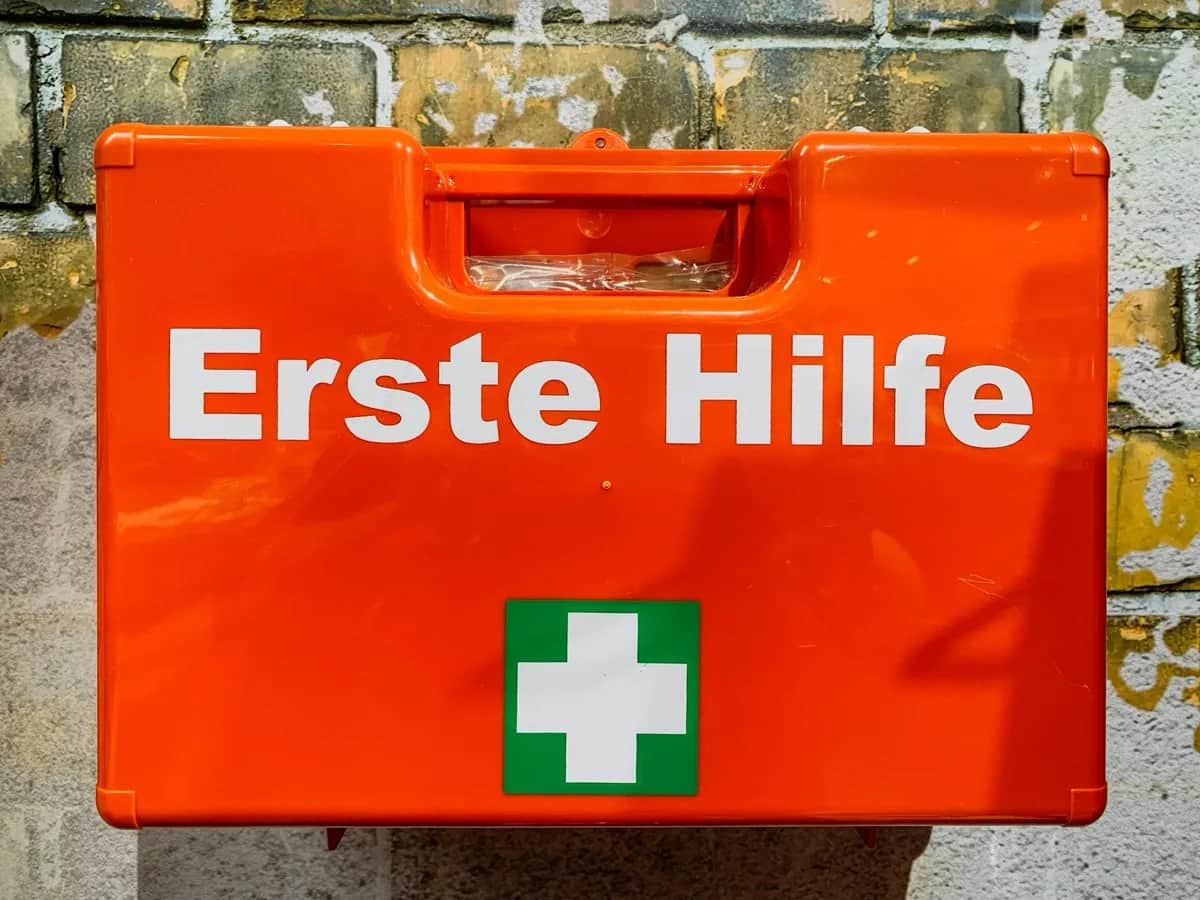
- First aid kit: €15-25
- Medications: existing
- Documents (photocopied): €5 printing + waterproof bag
- Emergency cash: allocated above
- Flashlight + batteries: €20
Total for two go-bags: ~€60-80
Power Bank + Solar Panel
A 20,000 mAh power bank with solar charging capability: €40-60. Keeps phones charged for 3-5 days without power.
Running total through Phase 4: ~€250-320
What You've Built
For under €300 and 3-6 months of gradual purchasing:
- 14-day food supply
- 3-day water supply (expandable cheaply)
- Cooking capability without power
- Emergency lighting
- Communication (radio, charged phones)
- Go-bags for evacuation
- Emergency cash
- Early warning (NINA)
- Family emergency plan
This is comprehensive crisis preparedness for a fraction of what the industry tries to sell you.
Recommended Products
As an Amazon Associate we earn from qualifying purchases. Buying through our links supports the development of this app at no extra cost to you.