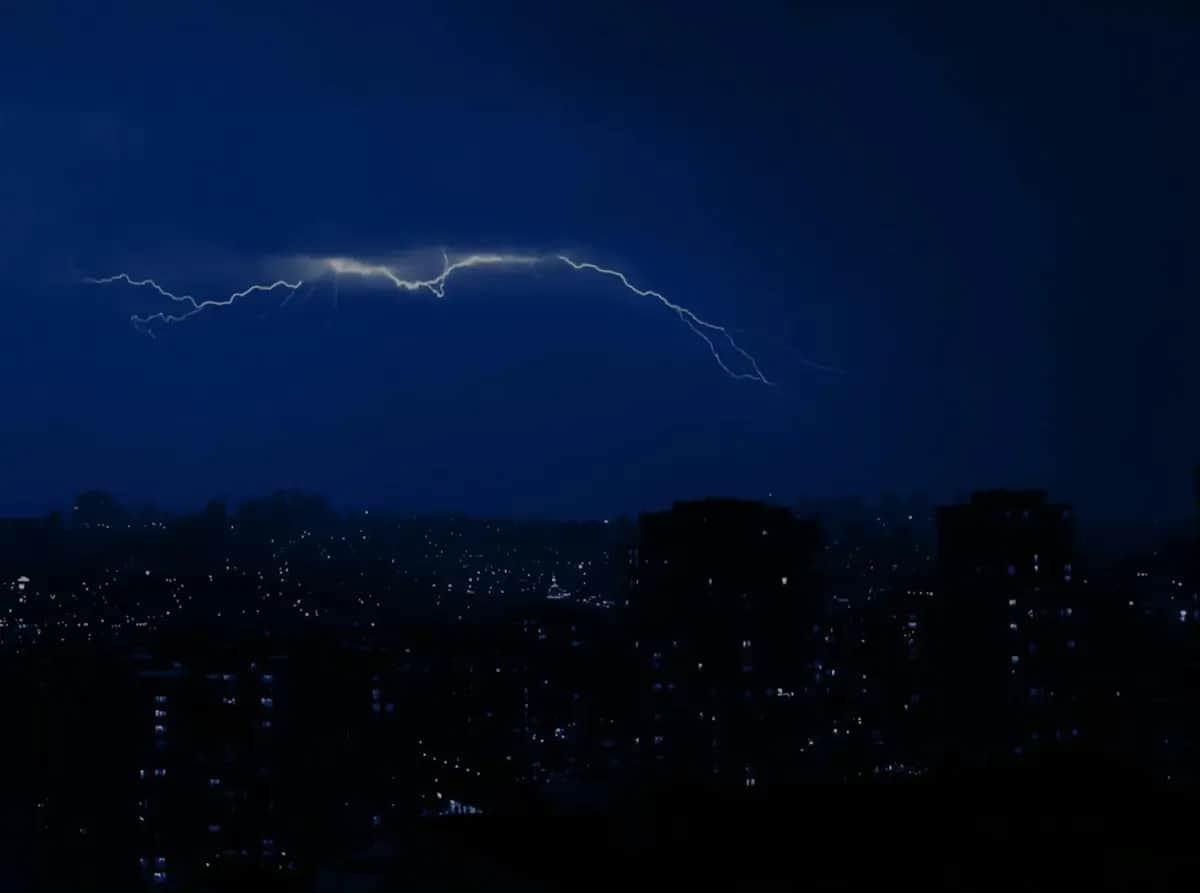
 Foto: Ata / Pexels
Blackout Simply Explained: What Is a Large-Scale Power Outage Really?
What exactly is a blackout? How does it happen, how long can it last, and what distinguishes it from a normal power outage? Everything explained simply.
What Is a Blackout — and Why Is It Different from a Normal Power Outage?
A normal power outage affects a street, a neighborhood, or a building — triggered by a defective transformer, a fallen tree, or a blown fuse. It lasts minutes to a few hours and affects thousands to tens of thousands of people.
A blackout is fundamentally different. It describes a large-scale, prolonged collapse of the power grid affecting entire regions, countries, or even multiple nations that cannot be resolved within a few hours. The European interconnected grid synchronizes 35 countries — when one node fails, the disruption can cascade rapidly across borders.
How Does a Blackout Happen?
Possible Triggers
1. Grid Overload The power grid must maintain constant balance: generation and consumption must match exactly. If frequency (normally 50 Hz) deviates by even a few tenths of a Hertz, the grid shuts down as a self-protection measure.
2. Cascade Effects If one power plant or major line fails, other parts of the grid take on the load. When those become overloaded and trip, a chain reaction can spread across the entire network within seconds — a domino effect.
3. Cyberattacks on Critical Infrastructure Ukraine's power grid was disrupted by cyberattacks in 2015 and 2016. European grid operators are increasingly targeted by hackers attacking SCADA systems (industrial control systems).
4. Extreme Weather Events Heat waves can force power plants to reduce output (cooling water shortage), while storms can damage transmission lines. In winter 2021, a cold snap in Texas caused a blackout affecting 4.5 million people.
5. Sabotage or Military Attacks Power lines and substations are physically vulnerable. In armed conflicts, energy infrastructure is a preferred target.
The European Interconnected Grid: Strength and Weakness
Europe has one of the world's most interconnected power networks — which is both a strength and a weakness. Under normal conditions, the network intelligently distributes loads and smooths out fluctuations. During a systemic disturbance, however, a problem can spread across borders almost instantaneously.
The 2006 blackout illustrated this perfectly: when a high-voltage cable was temporarily switched off to allow a ship to pass under it near the Ems River, the resulting chain reaction within seconds separated Western Europe from Eastern Europe and affected 15 million people across Europe.
How Long Does a Blackout Last?
That depends on the cause:
| Cause | Typical Duration |
|---|---|
| Technical defect (local) | Minutes to hours |
| Storm damage | Hours to 2 days |
| Cascade failure (regional) | 1-5 days |
| Infrastructure attack | Days to weeks |
| Systemic grid failure | Weeks to months |
The BBK recommends preparing for an outage of at least 72 hours. Experts consider scenarios of 1-3 weeks realistic in the case of a targeted infrastructure attack.
What Happens During a Blackout?
First Hours (0-6 Hours)
- Lights, outlets, heating fail
- Traffic lights stop working → traffic chaos
- Cell towers run on battery backup (4-8 hours)
- Supermarkets close (registers and refrigeration offline)
- ATMs don't work
After 24 Hours
- Water treatment plants reduce pressure (pumps need electricity)
- Hospitals run on generators (limited capacity)
- Food in refrigerators spoils
- Fuel shortage (gas stations need electricity for pumps)
After 72 Hours
- Drinking water may become scarce
- Heating fails completely (life-threatening in winter)
- Supermarket shelves empty from panic buying
- Cash becomes the only payment method
What a Blackout Is NOT
A blackout is not an apocalyptic Mad Max scenario. Most people behave reasonably in crises and help each other. Social order generally remains intact — especially in the first few days.
The real danger lies not in looting or violence, but in:
- Hypothermia (cold in winter)
- Dehydration (no water)
- Medical emergencies (no medication refrigeration, no electrical devices)
- Accidents (no light, candles)
What This Means for Your Preparation
Understanding the mechanics of a blackout helps you set the right priorities:
- Water is more critical than food — prioritize water storage
- Heating is life-threatening in winter — know your alternatives
- Information is gold — a hand-crank radio is more important than a smartphone
- Community beats lone operators — know and trust your neighbors
- Cash is the only currency — always keep bills on hand
A blackout is no reason to panic — but a good reason to invest your next 100 euros in concrete preparedness measures.
Recommended Products
As an Amazon Associate we earn from qualifying purchases. Buying through our links supports the development of this app at no extra cost to you.