 Foto: Tanha Tamanna Syed / Pexels
Blackout Days 1 to 7: What Would Really Happen in Germany
A realistic scenario of a 7-day blackout in Germany: hourly and daily impacts on water, food, communications, safety, and society — and what you can do.
The Scenario: A European Cascading Blackout
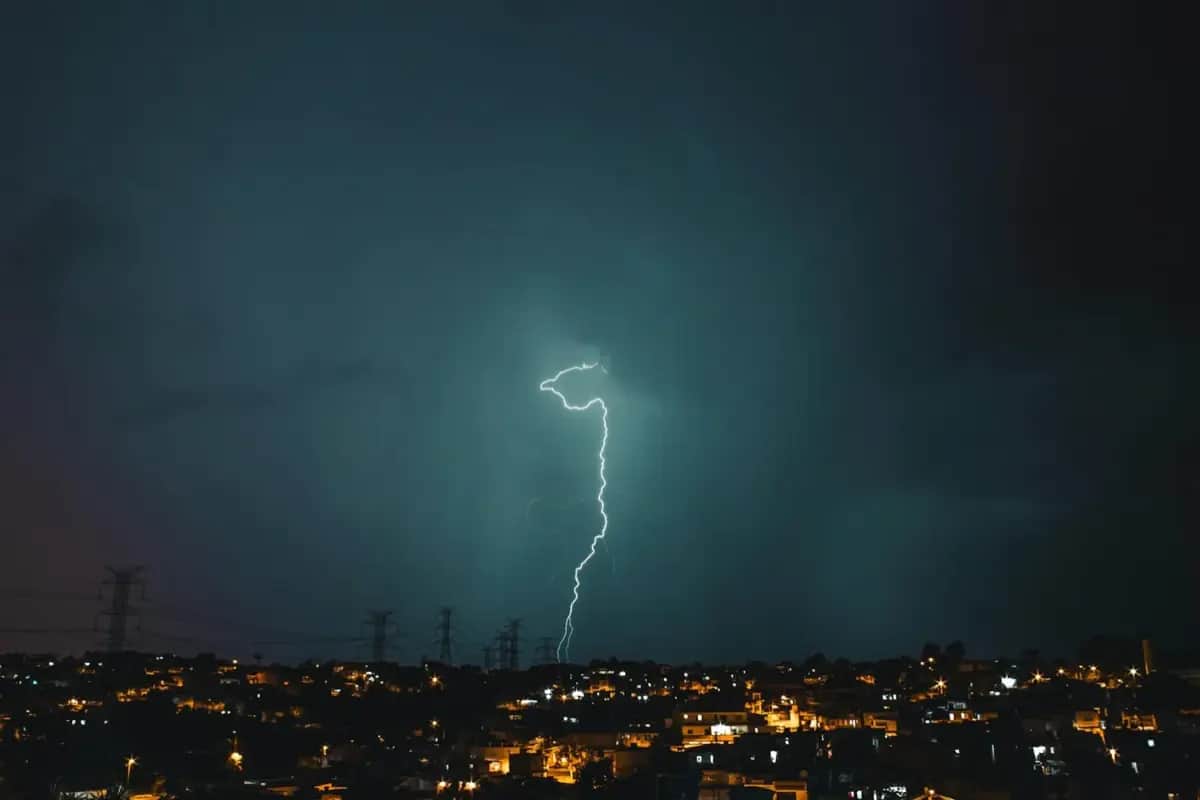
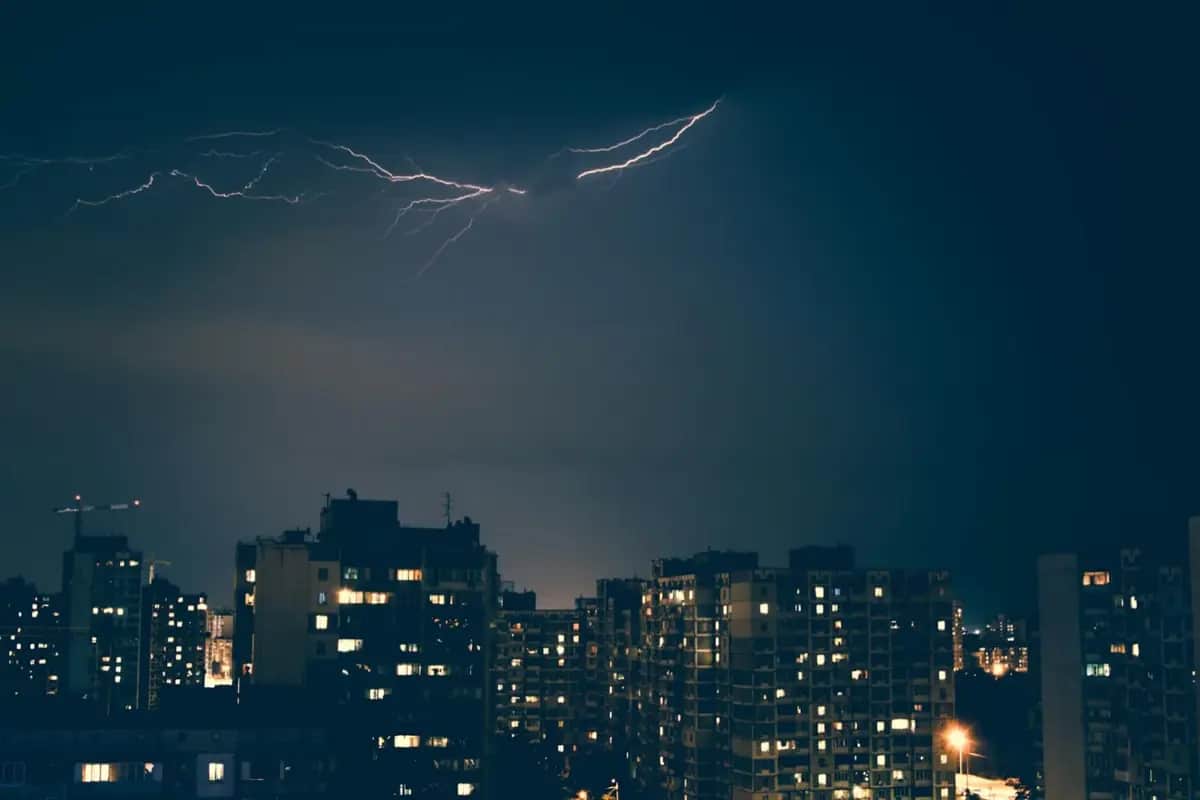
It is January. A severe cold high-pressure system over Central Europe, combined with a cyberattack on transformer stations in the Western European grid, triggers a cascading failure. At 14:37, the lights go out across large parts of Germany.
This scenario is based on the German Bundestag report "Vulnerability of Modern Societies in the Case of a Prolonged and Large-Scale Power Failure" (2010) and Austrian blackout expert Herbert Saurugg's crisis handbook.
Day 1: The First Hours (Hours 0–24)
Hour 0–1: Confusion and Disorientation
Traffic lights go dark. Elevators stop mid-floor. Underground trains halt in tunnels. Office computers shut down. The initial reaction is disbelief — most people assume a brief local disruption.
Emergency services receive an avalanche of calls. The priority queue forms instantly: hospitals, nursing homes, water utilities, and control centers.
What's happening:
- Supermarket tills and payment terminals stop working
- ATMs switch to backup power — lines begin forming immediately
- Hospitals activate emergency generators (fuel for 72–96 hours)
- Mobile phone networks begin showing congestion
Hour 1–8: First Critical Failures
Gas heating systems — which require electricity for control units and pumps — shut down in millions of households. Central heating fails. Temperatures begin dropping inside buildings.
Mobile networks start experiencing overload. Voice calls become impossible in many areas; SMS may still work intermittently.
Water utilities activate emergency protocols. Most treatment plants have backup generators, but smaller pumping stations do not.
Hour 8–24: Infrastructure Under Extreme Stress
- Cell towers exhaust backup batteries: mobile communications fail region by region
- Water pressure drops in upper-floor apartments
- Petrol stations with electric pumps close (only a fraction have manual backup pumps)
- Pharmacies cannot process prescriptions or access their computer systems
- Cash becomes the only payment method — and supplies are rapidly depleting
Day 2: Reality Sets In
The Panic Phase
By day two, the realization hits: this is not a brief disruption. Supermarkets close — without working registers and without inventory systems, they cannot operate. Petrol stations are empty or inaccessible. ATMs are depleted.
Acute danger points:
- People dependent on electrically powered medical equipment (dialysis, ventilators, insulin storage) face life-threatening situations
- Heating failure in winter begins threatening vulnerable populations: elderly, infants, chronically ill
- Hospitals begin rationing generator fuel
Social Dynamics
In well-prepared communities: neighbors share resources, information, and heating. Informal mutual aid networks activate.
In unprepared communities: hoarding, conflict at petrol stations and supermarkets, anxiety-driven decision-making.
Day 3–4: Critical Infrastructure at Its Limits
Water Supply
Many water utilities' backup generators run for 48–72 hours. After that, water pressure begins failing in more areas. Authorities deploy emergency water tankers and distribute water from centralized points.
Priority for water distribution: hospitals, dialysis centers, food production facilities.
At home: Those who filled containers on day one have 14+ days of water if they stored 5L/person/day. Those who didn't are now in serious difficulty.
Food
Supermarket shelves are emptied in the first 48 hours by those who waited. Bakeries with gas ovens may still function. Restaurants with gas kitchens may serve prepared meals. Farmers' markets continue.
The lesson: people without stockpiles are now competing for scarce food.
Day 5–7: Structural Crisis
Heating Crisis (Winter Scenario)
Interior temperatures in poorly insulated apartments drop to 8–12°C. Vulnerable populations — elderly, infants, those with respiratory conditions — face genuine health threats. Emergency warming centers open in schools, community centers, and churches (those with backup heating).
Security Situation
Crime rates increase as desperation grows and normal deterrents (CCTV, lit streets, working alarms) disappear. Most incidents remain minor — opportunistic theft, not organized violence.
Police visibility increases on foot and bicycle patrol. Curfews may be imposed in some municipalities.
Social Cohesion
Communities with pre-existing social networks and active neighborhood associations fare significantly better. Spontaneous cooperation — shared generators, communal cooking, information sharing — emerges in many areas.
What This Scenario Teaches Us
Prepared vs. Unprepared Households
| Resource | Unprepared Household | Prepared Household |
|---|---|---|
| Water | Crisis on Day 1–2 | Sufficient for 14 days |
| Food | Critical by Day 2 | Comfortable for 14 days |
| Heating | Emergency on Day 1 | Manageable with sleeping bags + layers |
| Information | Dark after Day 1 | Battery radio functional throughout |
| Power for devices | Depleted Day 1 | Power bank lasts 5–7 days |
The Five Most Important Actions (Before the Scenario)
- Water storage: 5 liters per person per day × 14 days minimum
- Food stockpile: 14 days of non-perishable, storable food
- Heating backup: sleeping bags rated for -10°C, thermal clothing, one well-insulated room
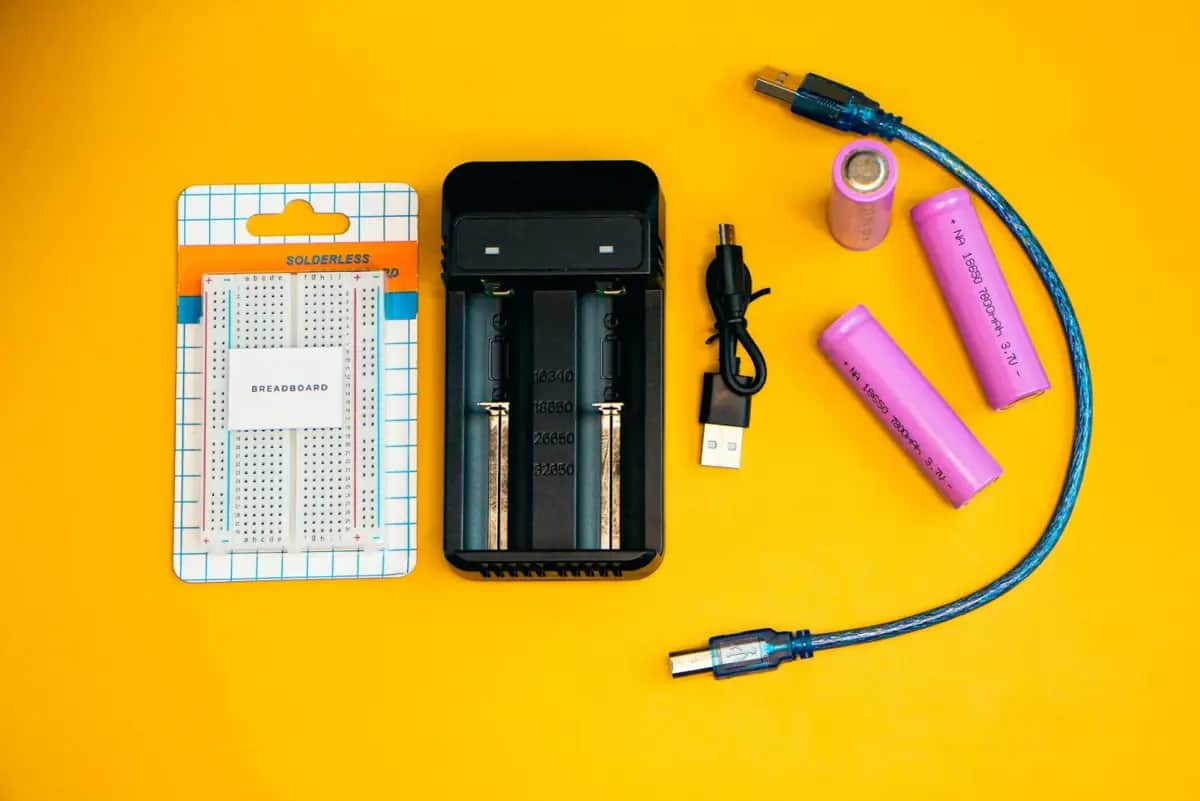
- Communication backup: battery or hand-crank radio, fully charged power bank
- Community: know your neighbors, identify vulnerable people nearby, share plans
A 7-day blackout is a serious crisis. It is survivable — even comfortably — for those who have prepared. For those who have not, it becomes a genuine survival emergency by day 2 or 3.
The difference between these two outcomes is a few hundred euros of preparation and a few hours of planning. That investment is never wasted.
Recommended Products
As an Amazon Associate we earn from qualifying purchases. Buying through our links supports the development of this app at no extra cost to you.