 Foto: Dương Nhân / Pexels
Blackout Preparation: What You Really Need
How to prepare yourself and your family for an extended power outage — from food storage to communication backup.
Understanding the Blackout Risk
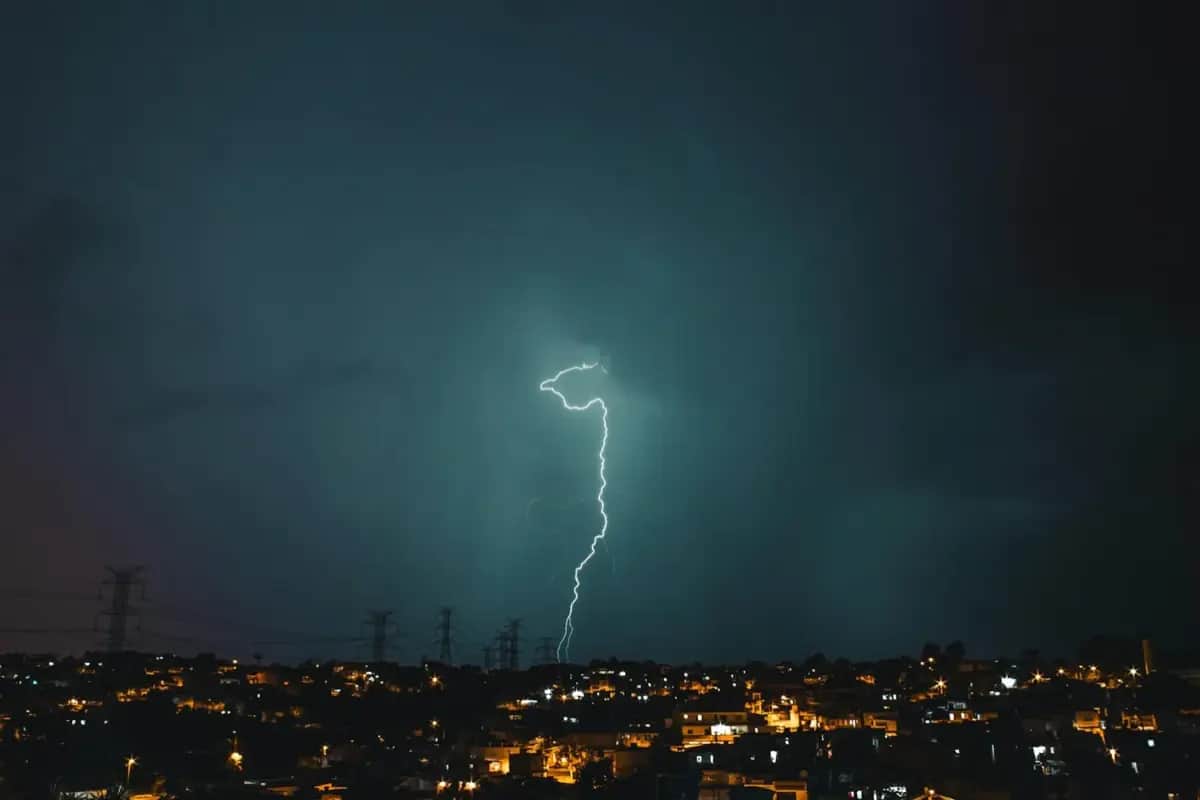
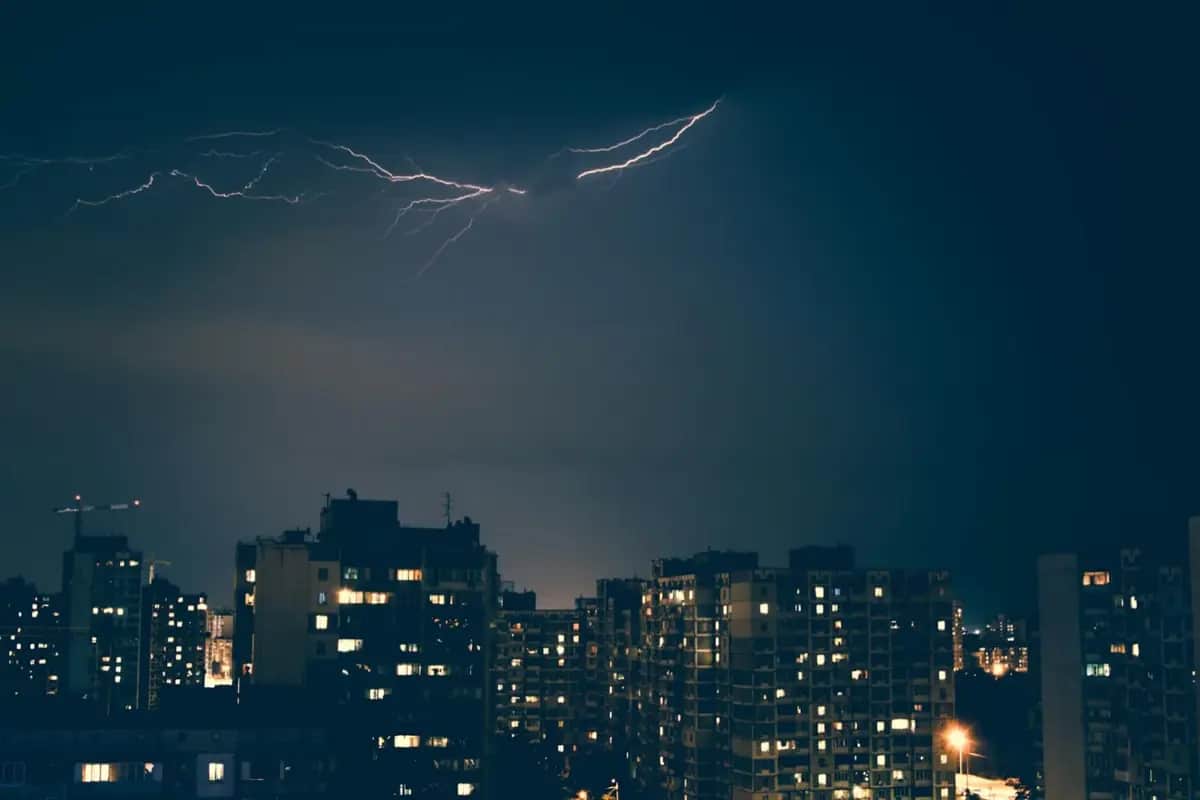
A blackout is not the same as your neighbor's circuit breaker tripping. A major blackout affects entire regions or countries, disrupting not just your lights but your entire infrastructure — water pressure, heating, communications, and supply chains.
Modern households are remarkably vulnerable. Most central heating systems — even gas-powered ones — rely on electronic controls that stop working without electricity. Refrigerators, water pumps, phone chargers, internet routers: all dead within seconds of a grid failure.
Emergency management agencies in the US (FEMA), Germany (BBK), and the UK (Cabinet Office Emergency Planning) all recommend preparing for a minimum of 72 hours of self-sufficiency. Realistic preparedness experts advocate for two weeks or more, accounting for scenarios like major storms, cyberattacks on grid infrastructure, or cascading failures across interconnected power networks.
Water: Your First Priority
Nothing is more urgent than water. The human body can survive weeks without food but only 3-5 days without water — less in hot weather or during physical exertion.
In a blackout, municipal water systems often fail within hours to days. Pumping stations are electrically powered; once backup generators run out of fuel, water pressure drops.
How much to store:
- FEMA minimum: 1 gallon (3.8L) per person per day
- Practical recommendation: 1 gallon for drinking + 0.5 gallon for cooking and hygiene
- 14-day supply for 2 people: ~42 gallons (160L)
Storage options:
- Food-grade HDPE containers (opaque, blue or white)
- Commercial 5-7 gallon stackable water jugs
- WaterBOB bathtub liner (holds 100 gallons, fill in advance of known events)
Water purification backup:
- Portable hollow-fiber filter (Sawyer Squeeze, LifeStraw): removes bacteria and protozoa
- Water purification tablets (iodine or chlorine dioxide): kills viruses too
- Boiling: 1 minute at rolling boil kills all pathogens
Food Storage Essentials
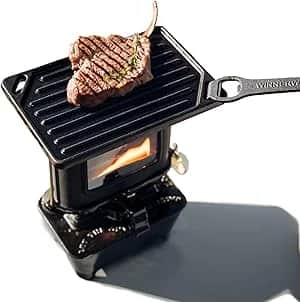
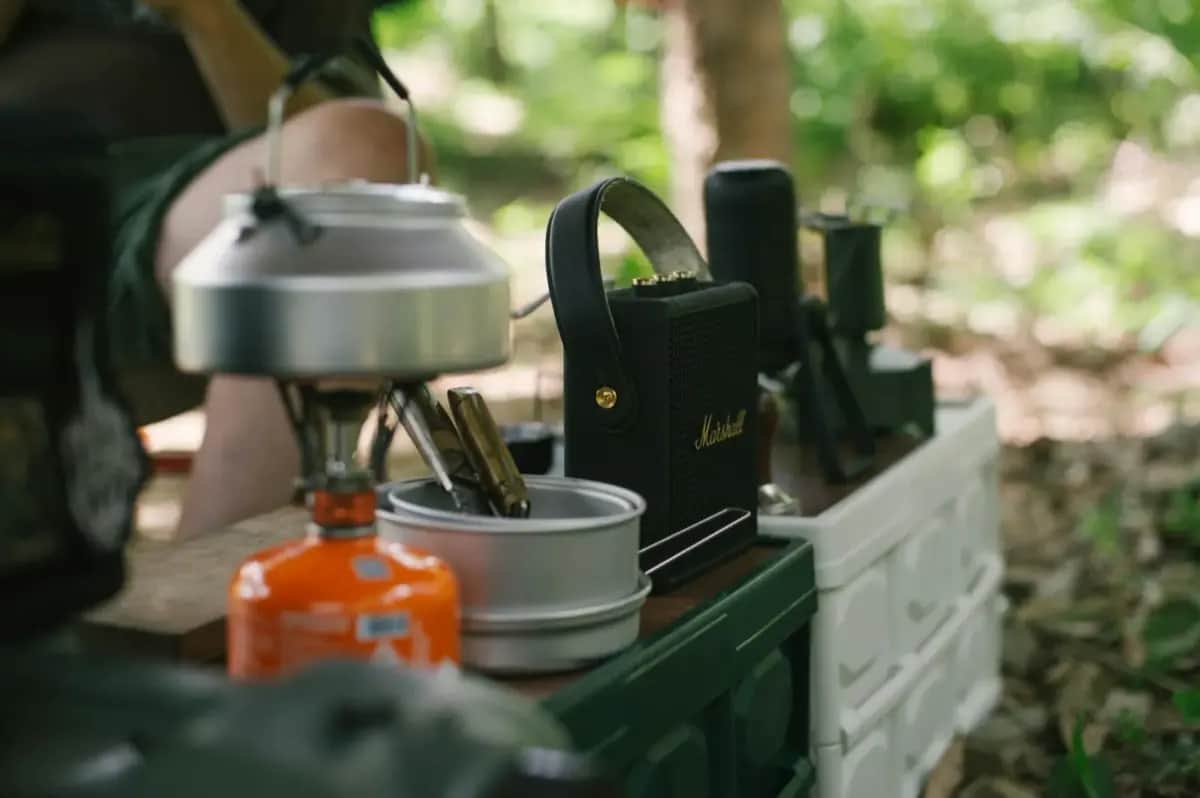
Plan for foods that require no refrigeration and minimal preparation. A camp stove with fuel canisters expands your options significantly.
Core pantry items for 14 days:
- Canned beans, lentils, chickpeas (protein + fiber)
- Canned fish: tuna, sardines, salmon
- Canned vegetables and tomato sauce
- Dried pasta, rice, oatmeal
- Peanut butter and nut butter
- Crackers, granola bars, dried fruit
- Trail mix, nuts, seeds
Don't forget:
- Manual can opener — useless stash without it
- Camp stove + 3-4 fuel canisters
- Utensils that don't require electricity
- Comfort foods: coffee, tea, chocolate
The rotation principle: Buy what you eat, eat what you store. Label new purchases with the date, and always use the oldest items first (FIFO — First In, First Out). This ensures nothing expires and your supply stays fresh.
Staying Warm (or Cool) Without Power
Winter scenarios:
Most modern furnaces — even gas ones — require electricity to run the control board, blower motor, and thermostat. When power goes out, your heating stops.
Solutions:
- Wood-burning fireplace or pellet stove (independent of grid)
- Propane space heater (ventilate adequately to avoid CO buildup)
- "Warm room" strategy: gather all household members in one interior room with heavy blankets and sleeping bags rated to at least 20°F (-7°C)
- Thermal layers: wool base layers, fleece mid-layers, down outer layers
Summer scenarios:
Heat emergencies can be more dangerous than cold, particularly for elderly family members.
- Keep blinds and curtains closed during the day
- Move to the lowest floor or basement during peak heat
- Wet towels and battery-powered fans
- Know your community's cooling centers (public buildings like libraries often stay open)
Communication and Information
When cell towers exhaust their backup power (typically 4-8 hours after grid failure), most mobile communications go dark. Plan for this:
Essential communication gear:
- Battery-powered or hand-crank radio (NOAA Weather Radio in the US): official emergency broadcasts
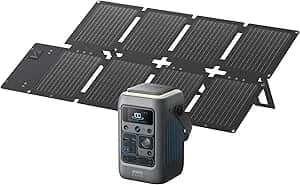
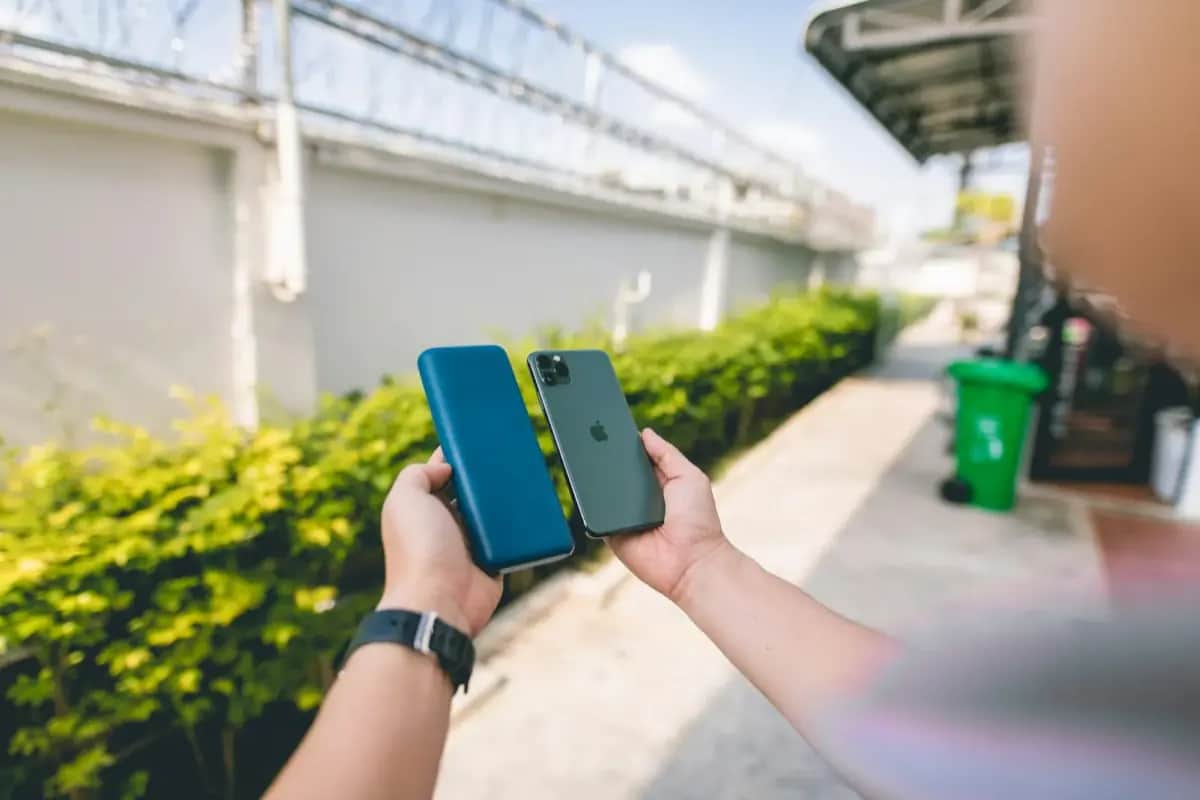
- High-capacity power bank (20,000+ mAh), kept fully charged
- Solar charger panel for extended outages
- Paper list of critical phone numbers (family, doctor, local emergency management)
Family communication plan:
- Designate a meeting point outside your home
- Designate an out-of-state contact that all family members can reach
- Written notes on your door if you must evacuate without everyone together
- Agree on a check-in schedule before a crisis happens
Neighborhood Resilience
Individual preparedness is important. Community preparedness is exponentially more powerful.
- Talk with neighbors now — share what you know and learn what resources exist nearby
- Know who in your neighborhood has specific vulnerabilities (elderly, disabled, medical equipment users)
- Identify who has skills or resources that could be shared: generator, medical training, camping gear, large food stores
- Informal neighborhood networks have historically been critical in disaster survival
Your Quick-Start Checklist
Don't try to do everything at once. Start with these 7 actions this week:
- Store 5-10 gallons of water in clean containers
- Buy a camp stove and 2 fuel canisters
- Check your flashlight — fresh batteries or charge the rechargeable ones
- Buy a battery-powered or hand-crank radio
- Keep a power bank fully charged at all times
- Write down 10 critical phone numbers on paper
- Stock a 3-day food supply (cans, crackers, peanut butter, dried fruit)
These seven actions cost less than $75 and can be done in an afternoon. That's a meaningful improvement in resilience against one of the most plausible infrastructure failures of our time.
Recommended Products
As an Amazon Associate we earn from qualifying purchases. Buying through our links supports the development of this app at no extra cost to you.