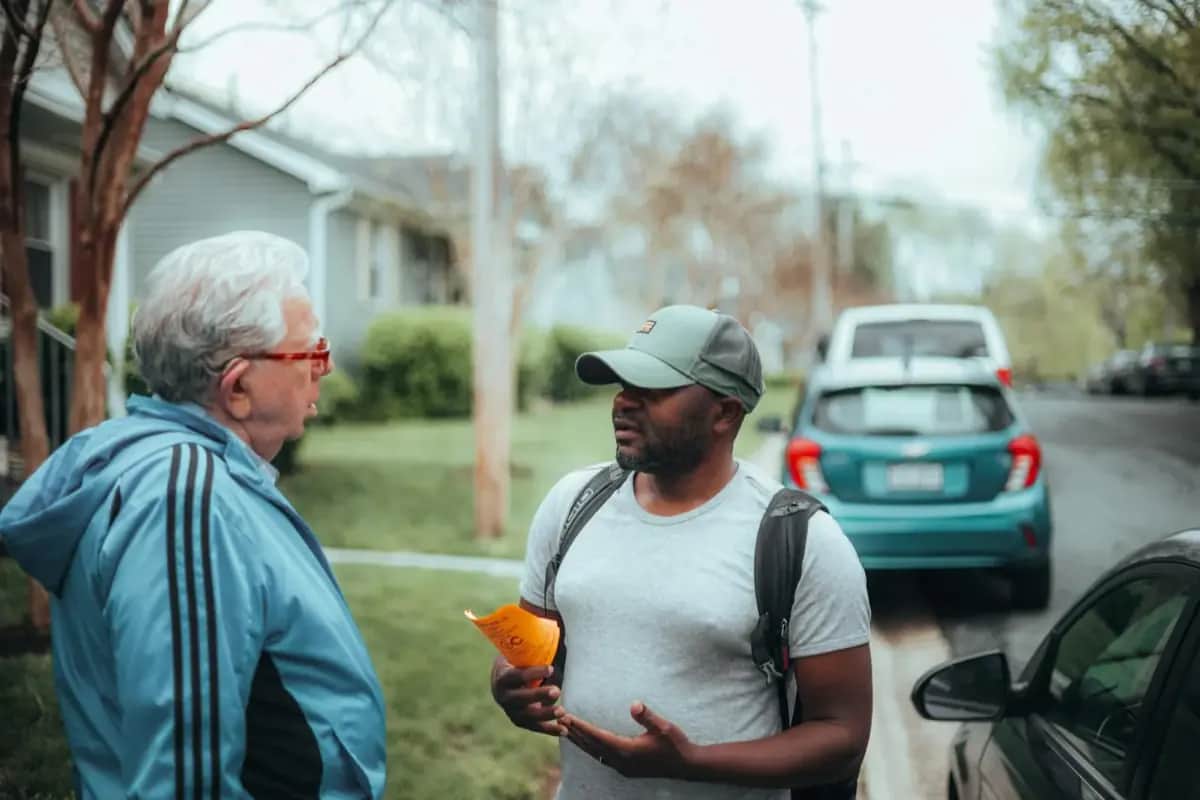
 Foto: Samuel Peter / Pexels
What Ahr Valley Helpers Taught Us About Spontaneous Community in Crises
In the Ahr Valley flood of 2021, thousands of volunteers self-organized without central planning. What these experiences reveal about community, coordination, and the value of networks in crises.
The Ahr Valley: What Happened?
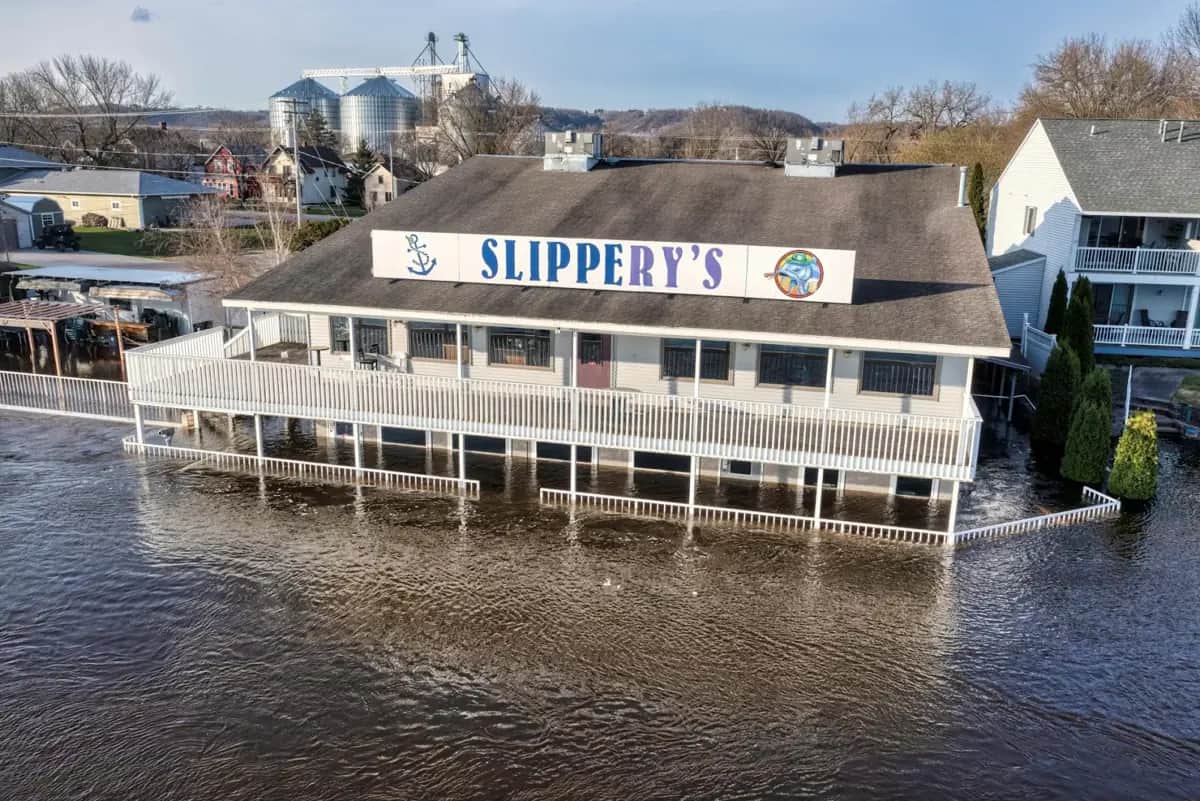
On the night of July 14–15, 2021, extreme rainfall flooded the Ahr Valley in Rhineland-Palatinate. 135 people died. Thousands of homes were destroyed or damaged. Infrastructure was non-functional for days.
What followed surprised many: before official emergency services arrived in sufficient numbers, thousands of volunteers came — often without explicit invitation, often self-organized via social media.
The Spontaneous Aid Movement
Via Instagram, Twitter, and Telegram, hundreds of helper groups organized. Spontaneous coordination centers emerged in gymnasiums and parking lots. People brought shovels, pumps, food, disinfectant.
This was neither planned nor centrally coordinated. It was self-organized community in an emergency.
What Helpers and Researchers Learned
Lesson 1: Networks activate faster than institutions
While official bodies were obtaining permits and navigating bureaucracy, informal networks were already working. This is not a criticism of authorities — it is the reality of crisis response.
Lesson 2: Physical presence beats remote coordination
Helpers who were on-site and directly saw what was needed helped more effectively than those trying to coordinate from outside. Direct perception is irreplaceable.
Lesson 3: Specific skills are worth more than good intentions alone
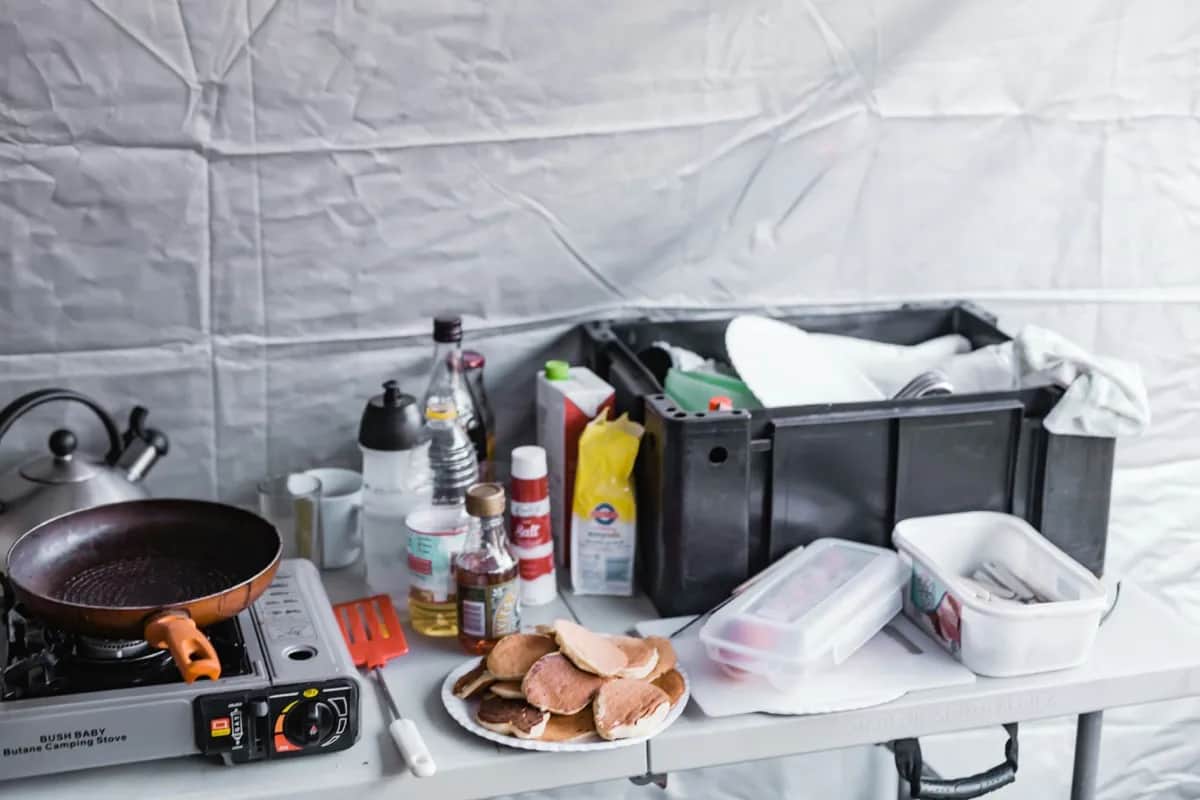
Doctors, paramedics, electricians, cooks — specific skills helped immediately. People without specific skills sometimes created chaos.
Lesson 4: Coordination overload can block help
Too many uncoordinated helpers in a limited space can slow down the work. Beyond a certain point, coordination structures are needed.
What This Means for Crisis Preparedness
Build networks now: Know your neighbors. Know who is a doctor, who is an electrician, who is a paramedic.
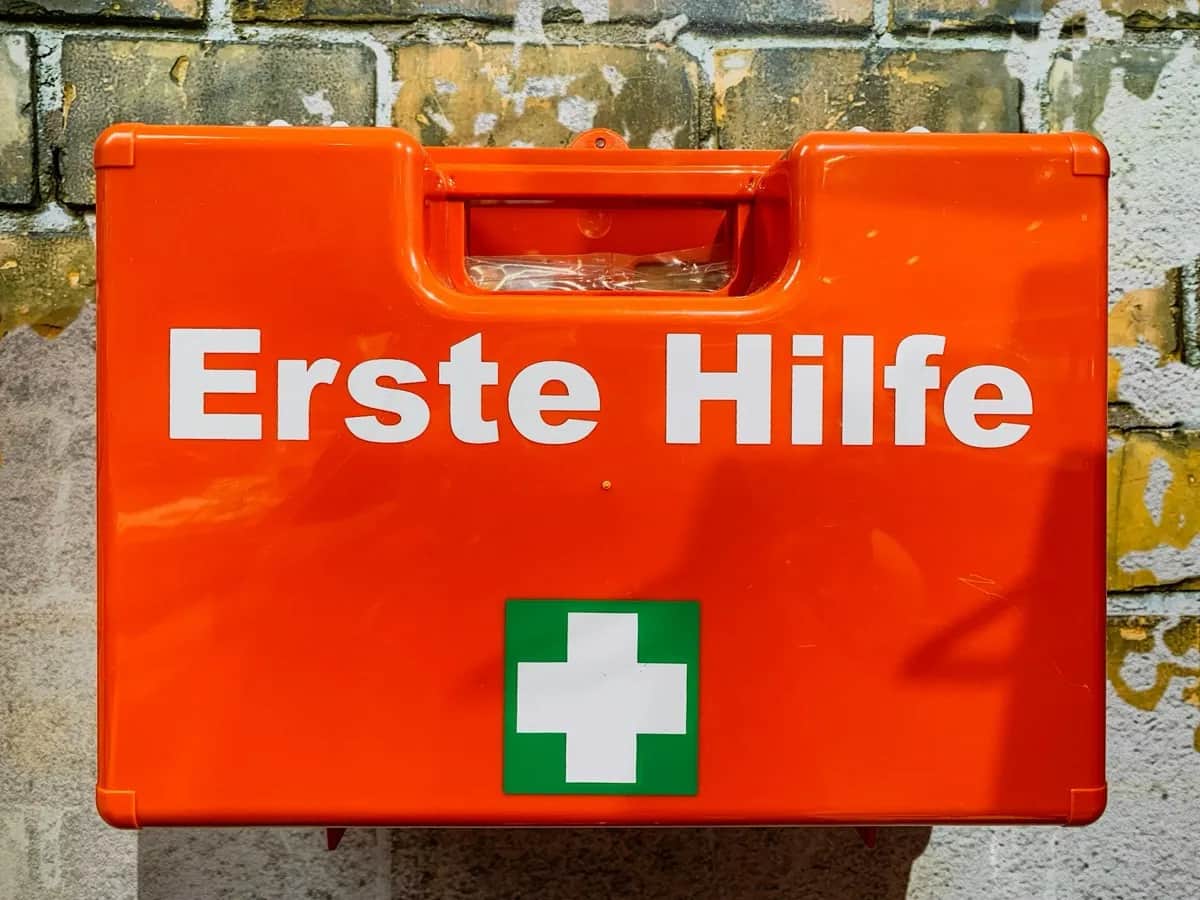
Develop skills: First aid, cooking for many people, basic plumbing, water purification.
Prepare communication channels: How would your neighborhood coordinate in a crisis?
The Ahr Valley shows: spontaneous community works. But prepared community works better.