 Foto: cottonbro studio / Pexels
10 Tips to Prepare for Armed Conflict in Europe
How do you prepare for an armed conflict in Europe? 10 concrete, actionable tips without paranoia for families and households in Western countries.
Why This Article Isn't Fearmongering
The return of war to Europe with Russia's attack on Ukraine has awakened many people. Defense ministries and civil protection agencies across Europe now openly discuss scenarios that seemed unthinkable in recent decades.
Preparing for crises is not extremism — it's civic responsibility. These 10 tips are based on official recommendations from emergency management authorities.
Tip 1: Document Everything Important
Secure important documents in a waterproof sleeve or digitally encrypted: ID, passport, insurance policies, property documents, birth and marriage certificates.
Tip 2: Cash and Valuables
If banking systems fail, cards are useless. Keep €500-1,000 cash in small bills. Small amounts of gold or silver coins as reserve — but not as primary wealth.
Tip 3: Emergency Supply for at Least 4 Weeks
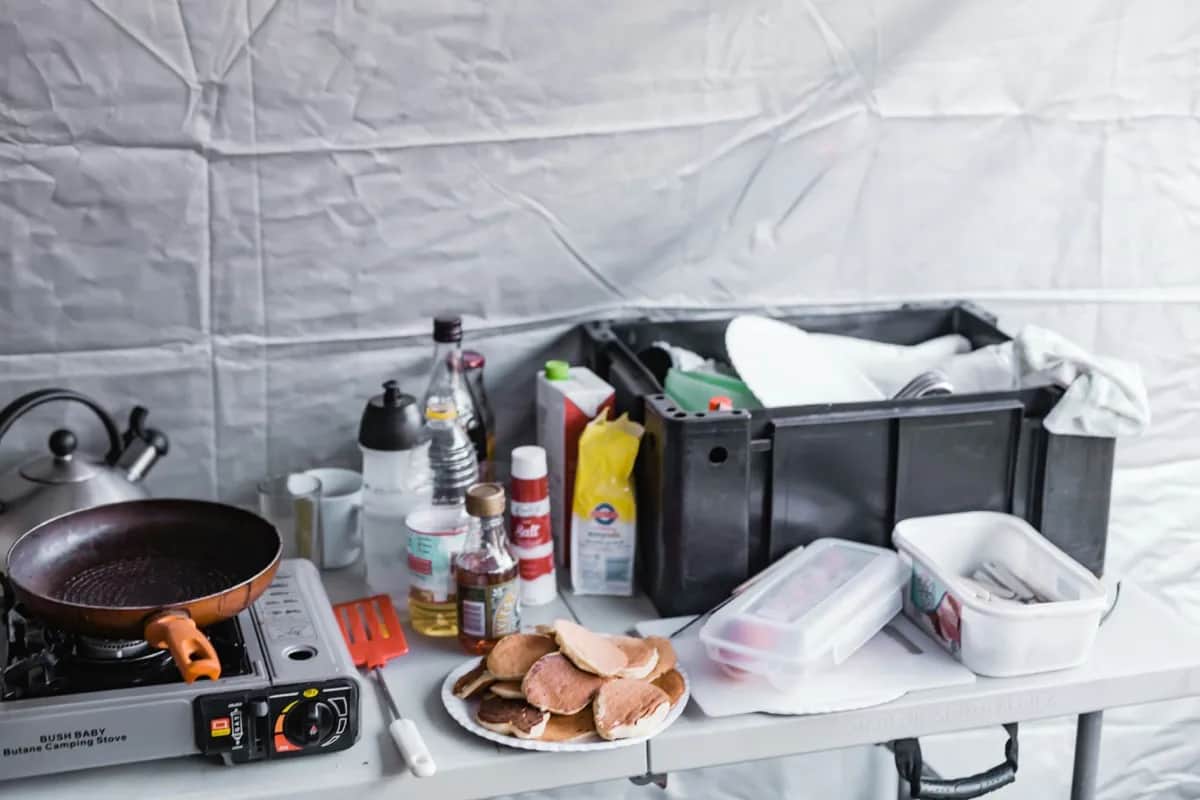
Conflicts can last longer than blackouts. Plan food and water for 4 weeks per person: calorie-dense long-term foods, water containers, canned goods.
Tip 4: Communication Plan with Family
Agree on meeting points and communication rules without mobile networks: Where do you meet if phones don't work? Landline (may still work), walkie-talkies for short distances.
Tip 5: Plan Evacuation Routes
Know 2-3 routes out of your city and neighborhood. Know where you would go (family in the countryside, safer region). Document addresses offline.
Tip 6: Basic Medical Care
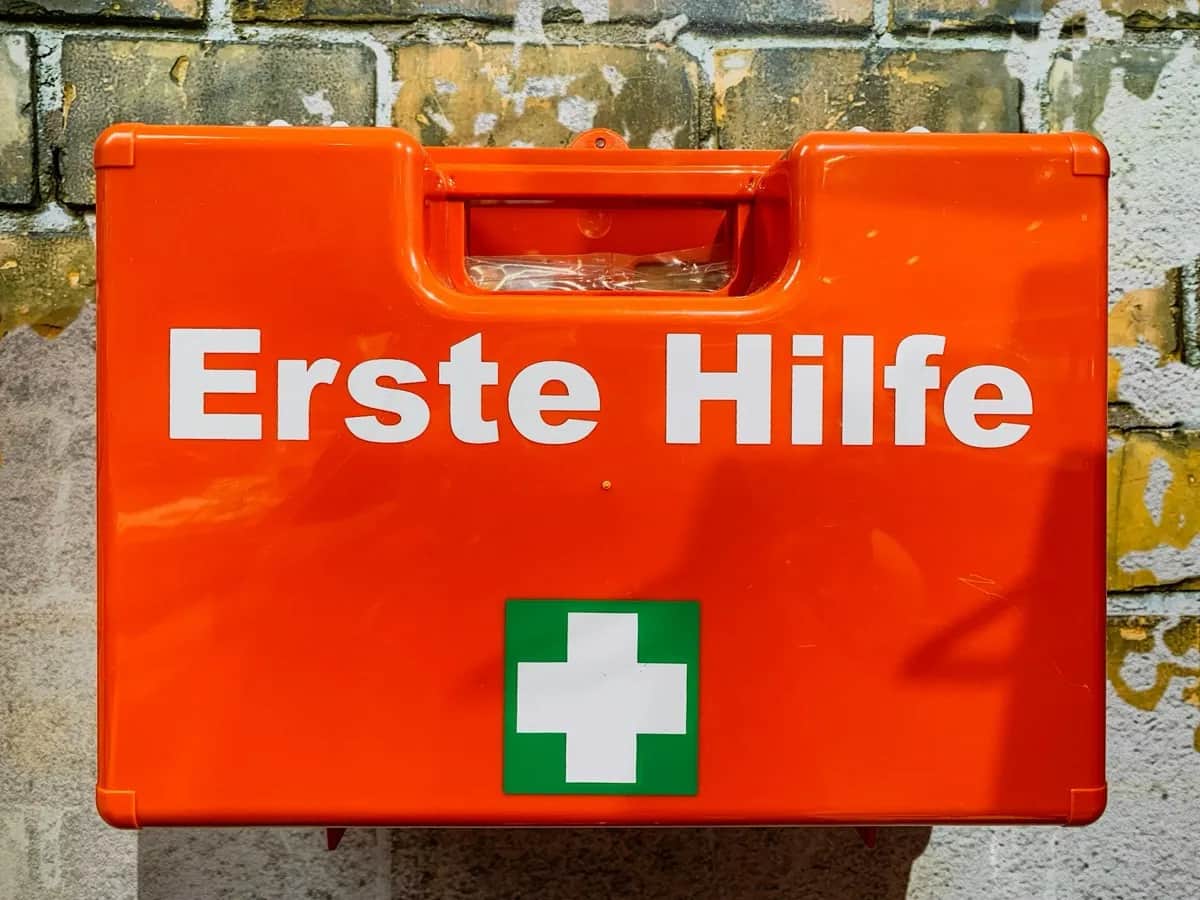
Secure chronic medications (3-month reserve if possible). Extended first aid equipment (tourniquet, pressure bandages). CPR and wound care knowledge.
Tip 7: Energy and Heating Independence
Mobile power station for communication and light. Propane heater for warmth independent of the power grid.
Tip 8: Community Network with Neighbors
Crisis resilience emerges in community. Know your neighbors. Who has which skills (doctor, electrician, farmer)? Mutual aid is worth more than individual stockpiles.
Tip 9: Information Sources and Warning Systems
Enable emergency alert apps on your phone. Know local alarm signals. Keep a hand-crank radio for emergency broadcasts.
Tip 10: Psychological Preparation
Stay informed but limit news consumption during crises. Train mental stability through realistic scenario planning. People with plans panic less.
Conclusion
These 10 tips are not preparation for the apocalypse — they're sensible crisis preparedness for realistic scenarios. Start with what makes sense in your situation and build gradually.