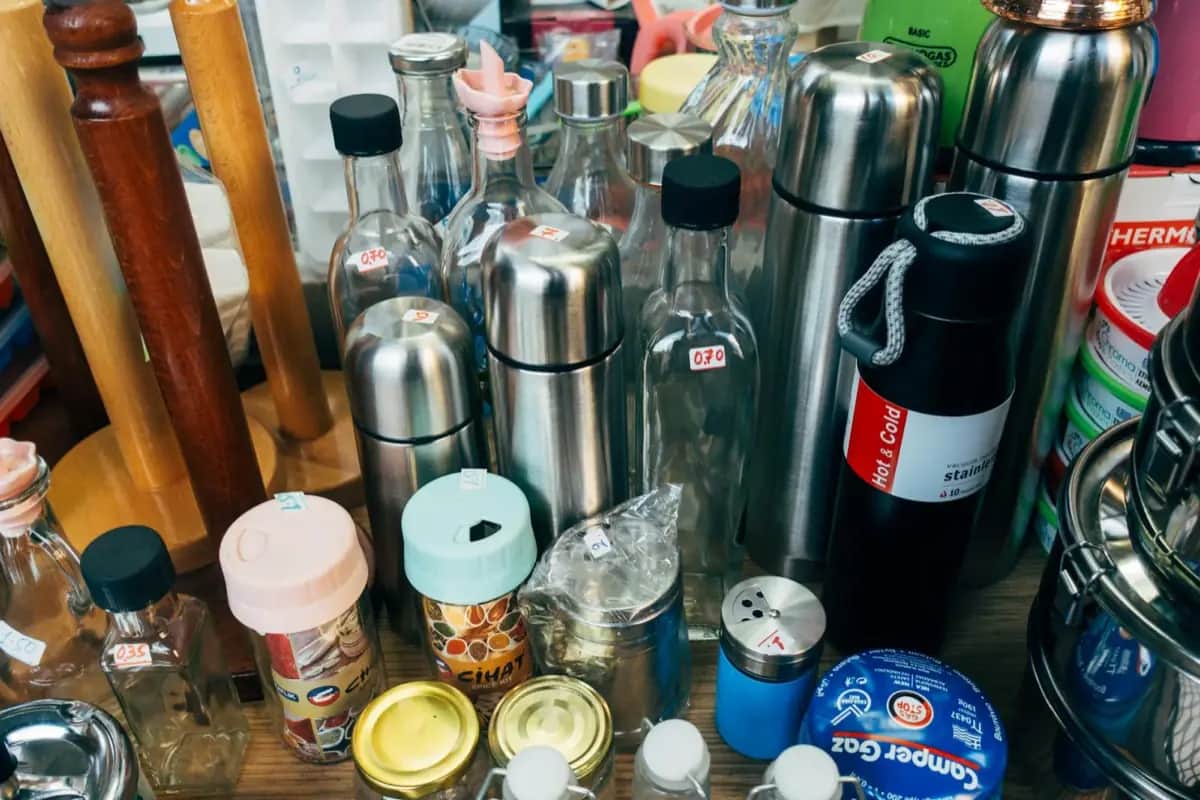
 Foto: Markus Winkler / Pexels
Building a Water Supply: The Complete Guide for Emergency Preparedness
How to build a 2-week emergency water supply: the right containers, correct quantities, safe storage conditions, and rotation schedule for long-term reliability.
Why Stored Water Is Your First Priority
Before you buy a single food can, a flashlight, or a power bank — buy water storage containers and fill them.
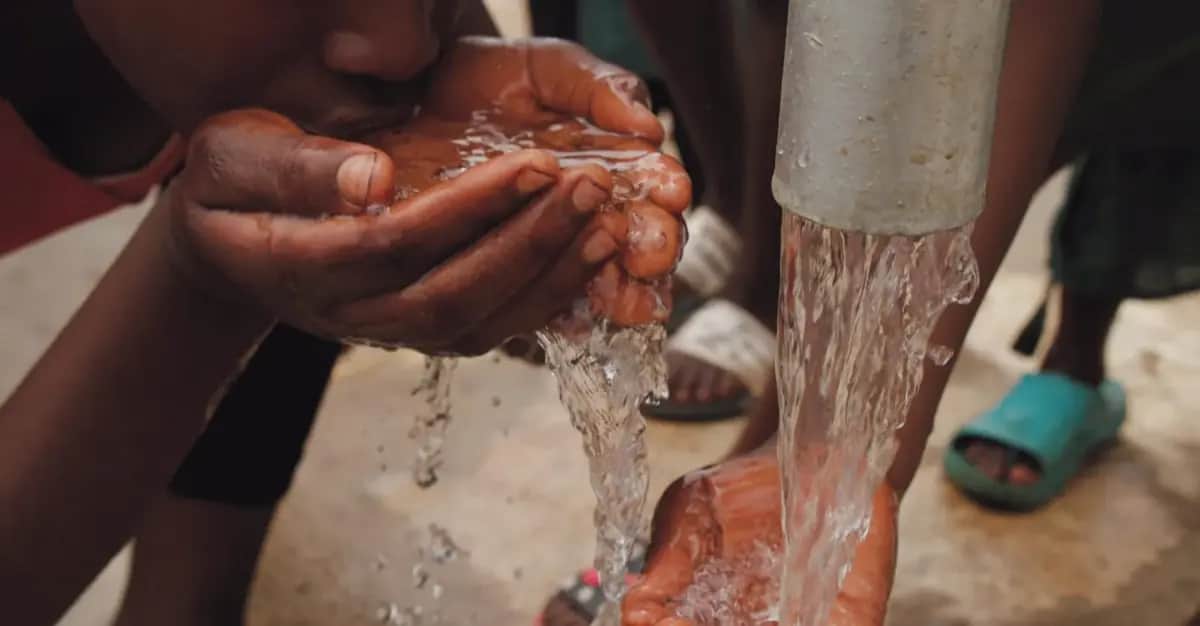
Water is survival-critical in a way no other supply category is. The human body can survive three weeks without food, but only three to five days without water — less in heat, stress, or physical exertion. In an emergency, municipal water supply fails before almost anything else: pump stations need electricity, water treatment plants go offline, distribution systems become contaminated.
With 14 days of stored water, you have solved your most urgent problem. Everything else — food, warmth, communication — can be managed with alternatives. Dehydration cannot.
How Much Water Do You Actually Need?
Minimum vs. Recommended
Emergency minimum (FEMA recommendation): 1 gallon (3.8 liters) per person per day
Practical recommendation: 5 liters per person per day
The gap between these numbers reflects what the minimum leaves out: cooking, basic hygiene, dental hygiene, and the reality that many people — especially children and those doing any physical activity — need more than the absolute survival minimum.
Calculating Your Household Needs
- 1 person × 14 days × 5 L/day = 70 liters
- 2 adults × 14 days × 5 L/day = 140 liters
- 2 adults + 2 children × 14 days × 5 L/day = 280 liters
- Add per pet: approximately 0.5–1 L/day per medium dog
Don't Forget Non-Drinking Uses
The 5 L/person/day accounts for:
- Drinking: 2–3 L
- Cooking: 1 L
- Basic hygiene (face, hands): 0.5–1 L
- Toilet flushing: covered separately — not counted here (use gray water or rainwater)
Choosing the Right Storage Containers
Food-Grade HDPE Jerrycans (Primary Choice)
5-gallon / 20-liter HDPE jerrycans
- Material: High-density polyethylene, food-grade
- Color: Opaque (white or blue — blocks light to prevent algae growth)
- Capacity: 20 liters (convenient weight when full: ~20 kg)
- Quantity needed for 2 adults × 14 days: 7 jerrycans
- Cost: €5–10 per container
Purchase only containers marked "food-grade HDPE" or with the cup-and-fork recycling symbol. Standard blue camping jerrycans from outdoor stores are generally appropriate. Fuel canisters, household cleaning containers, or any previously-used non-food container should never be repurposed for water storage.
Stackable Water Bricks
Modular rectangular containers that stack efficiently. More expensive per liter than jerrycans but excellent for organized, space-efficient storage. Popular brands: WaterBrick, Augason Farms.
Large-Volume Options
55-gallon water barrel (200 liters): Cost-effective for large households or very long-term storage. Requires a hand pump or siphon to access. Difficult to move once full — choose location carefully.
WaterBOB bathtub insert: One-time-use liner that transforms a standard bathtub into a 100-gallon (380L) emergency reservoir. Fill when an emergency is imminent. Stores flat until needed, costs approximately €20–30.
What NOT to Use
- Old milk jugs or juice containers: permeable to odors and flavor, and the plastic degrades faster
- Thin plastic water bottles (standard 500mL): fine as supplemental supply, not as primary storage
- Recycled containers that held non-food items: chemical residue risk
How to Fill and Store Containers Safely
Filling Process
- Clean the container with dish soap and warm water, rinse thoroughly
- Fill from a treated municipal water tap — not from wells or natural sources without additional treatment
- For added security: add 4 drops of unscented household bleach (5.25% sodium hypochlorite) per liter of water stored. This provides an additional margin against pathogen growth during storage
- Seal tightly
- Label with fill date
Storage Conditions
Location requirements:
- Cool (below 20°C / 68°F is ideal, below 30°C essential)
- Dark (UV light degrades plastic and promotes algae growth)
- Off the concrete floor if possible (chemicals in concrete can slowly leach through plastic over years — a pallet or wooden shelf prevents this)
- Away from fuels, chemicals, and pesticides (plastic is slightly permeable to vapor)
Do not store:
- In direct sunlight
- Near petrol, diesel, pesticides, or cleaning chemicals
- In areas subject to freezing (ice expansion can crack containers)
- Near anything with strong odor or volatile chemicals
Rotation Schedule
Municipal water, properly stored in sealed food-grade containers, remains safe for consumption for 6–12 months. Some sources suggest longer — especially if you added bleach at filling.
Practical rotation: Every 6 months, open each container, check smell and clarity, and if acceptable, use it (cooking, watering plants) and refill with fresh water. This ensures your supply is never older than 6 months and you regularly verify your containers are intact and accessible.
Mark each container with a fill date and a "use by" date (6 months later). Use the oldest containers first.
Building Your Water Supply Step by Step
Week 1: Emergency Minimum (3 Days)
- 2 × 20L jerrycans for a single adult (enough for 8 days alone, 4 days for a couple)
- Cost: ~€20
Week 2–4: Standard Recommended (14 Days)
- Add containers to reach 5L × household members × 14 days
- For a couple: 7 × 20L jerrycans = 140 liters
- Cost: ~€70 total for containers
Long-Term: Extended Supply
If space permits, extend to 4–6 weeks. Alternatively, combine stored water with filtration capability so you can source additional water from natural sources.
Maintaining Your Water Supply
- Inspect containers quarterly: check for cracks, leaks, seal degradation
- Keep one container designated for tasting/testing at rotation time
- Maintain your rotation log (a simple spreadsheet or paper log works)
- Ensure every household member knows where the water supply is and how to access it
- Keep a hand pump or siphon for large containers
Water Storage + Filtration: A Complete System
Stored water is your primary supply. Filtration is your backup for when stored water runs out or when you need to use alternative sources (rain, stream, tap with uncertain quality).
- 14-day stored supply: Zero-effort, always available
- Hollow-fiber filter (Sawyer Squeeze): Extends your supply by using natural sources
- Chemical backup (Micropur Forte tablets): Virus protection and final fallback
This three-layer system means you are self-sufficient for water in virtually any urban or rural emergency scenario for 2+ weeks without leaving your home.
Recommended Products
As an Amazon Associate we earn from qualifying purchases. Buying through our links supports the development of this app at no extra cost to you.