 Foto: Rufina Rusakova / Pexels
6 Water Storage Mistakes That Make Your Water Undrinkable
These 6 common water storage mistakes can render your emergency water supply unsafe or inaccessible when you need it most. Avoid them before the next crisis.
Why Water Storage Mistakes Are Costly
Storing water incorrectly does not just waste the effort of setting it up — it creates a dangerous false sense of security. You believe you're prepared. You're not. The containers you open in an emergency may contain water that smells of plastic chemicals, has turned green with algae, or carries bacterial contamination.
These are the six mistakes we see repeatedly — and each one is completely preventable.
Mistake 1: Using Unsuitable Containers
The most common starting mistake is repurposing containers that were not designed for water storage.
Containers that should never be used for drinking water:
- Old milk jugs (the plastic breaks down quickly and allows bacterial growth even when cleaned)
- Containers that previously held non-food substances (bleach, motor oil, pesticides — residue cannot be fully removed)
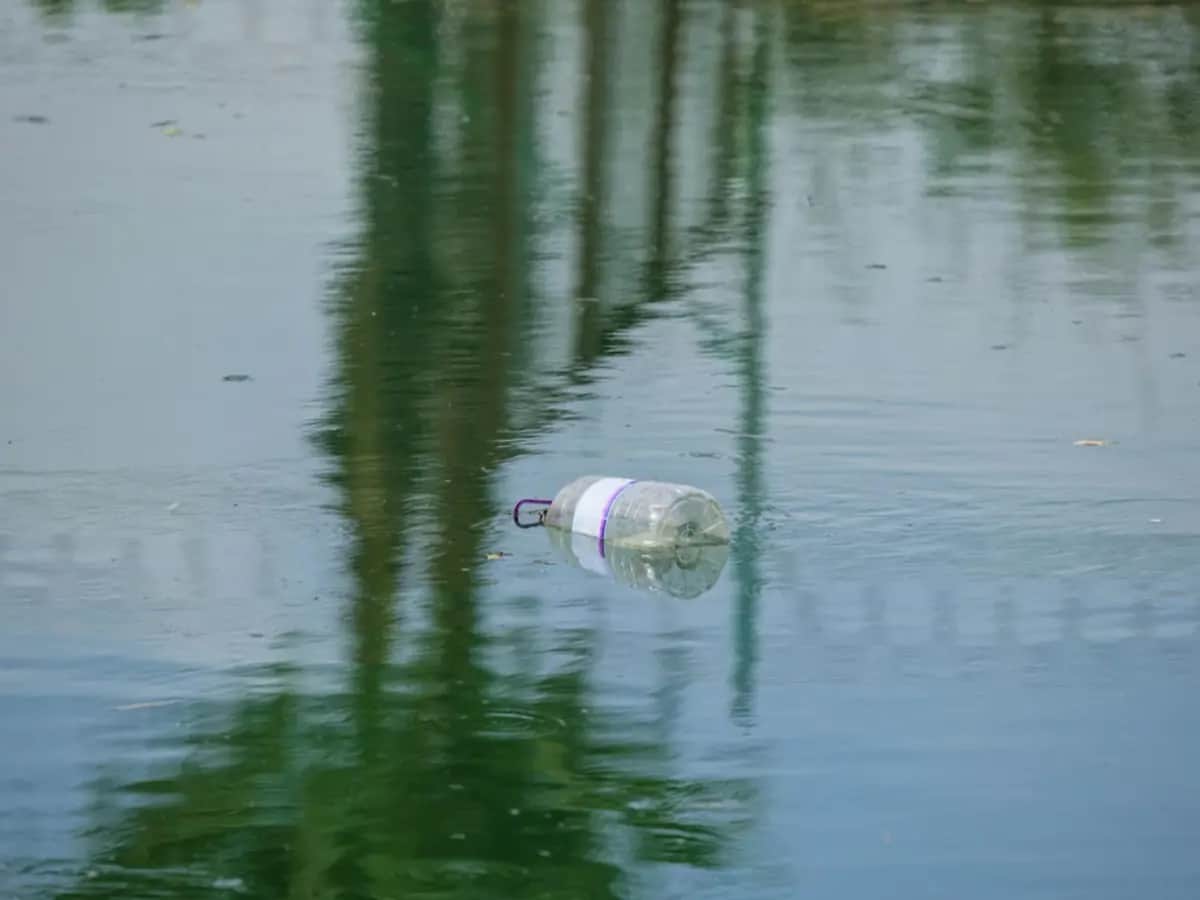
- Clear thin PET bottles (the plastic is semi-permeable; chemicals from nearby storage leach in)
- Metal containers without a food-safe coating (rust contamination)
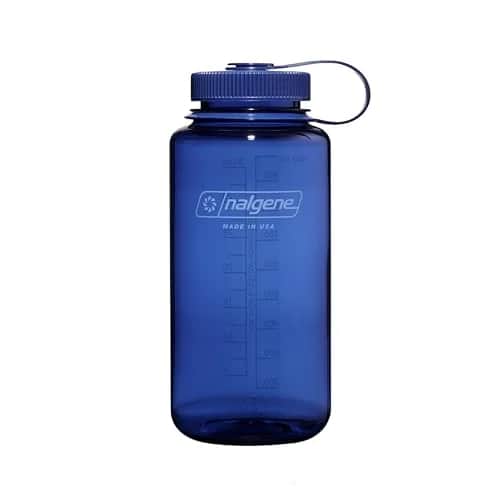
Use exclusively: Food-grade HDPE containers (marked #2 or with cup-and-fork symbol), opaque, with tight-sealing lids. Commercial 20-liter jerrycans from outdoor supply stores are the most practical option.
Mistake 2: Storing Near Chemicals, Fuel, or Strong Odors
Plastic, even food-grade plastic, is slightly permeable to vapor. If your water containers are stored in the same space as petrol, diesel, paint, cleaning chemicals, pesticides, or other volatile substances — even in sealed containers — those vapors slowly migrate through the plastic walls into your water.
This contamination is not visible and cannot be filtered out with standard equipment. The water may smell normal but contain trace amounts of hydrocarbons or chemical compounds.
Rule: Water storage must be physically separated from any chemical storage. A different room, a different cabinet, or different floor is ideal. At minimum, several meters of distance and sealed containers on both sides.
Mistake 3: Not Rotating — Storing and Forgetting
Stored municipal water does not last indefinitely. Even in sealed, food-grade containers, stored water should be rotated every 6–12 months.
Over time:
- Chlorine residual (which inhibits bacterial growth) dissipates
- Plastic containers can develop micro-permeations that allow contamination
- Degraded seals allow air and moisture exchange
The container you filled "two years ago" and never checked may be perfectly fine — or it may be contaminated. Without a rotation schedule, you don't know.
Solution: Label every container with fill date and "use by" date (6 months out). Set a calendar reminder twice a year. Open, smell, check clarity, then either use and refill or discard and refill.
Mistake 4: Storing on Concrete Floors
This is a controversial topic — the science shows low migration rates of chemicals from concrete into plastic — but the consensus among long-term preppers and storage experts is: don't risk it.
Concrete releases compounds (acetaldehyde, various plasticizers) that can leach into plastic containers stored directly on the floor over months and years, particularly if the concrete is painted, sealed, or chemically treated.
The solution is trivially easy: place containers on a wooden pallet, a plastic shelf, or any elevated surface. Cost: negligible. Risk eliminated.
Mistake 5: Exposing Containers to Light or Heat
Light exposure triggers algae growth inside transparent containers and accelerates plastic degradation. Even cloudy water containers can have their structure weakened by UV over years. Store in the dark or use opaque containers.
Heat exposure accelerates chemical leaching from plastic into water, speeds up bacterial growth, and degrades plastic integrity. Never store water where temperatures exceed 30°C (86°F) — which includes vehicles during summer, unventilated garages, and sheds in warm climates.
An ideal storage location: a cool interior room or basement, away from heating systems, with a stable temperature year-round.
Mistake 6: Having No Plan for Access During the Emergency
The final mistake is infrastructural: you have the water, but you can't access it when you need it.
Scenarios:
- 200-liter barrel with no pump and no siphon
- Containers stored behind other items in a full garage — inaccessible without moving half the garage
- Containers on a high shelf with no step-stool or ladder
- Everyone in the household knows water is "somewhere in the basement" but not exactly where
Practical accessibility requirements:
- You can reach your containers in complete darkness
- Every adult household member knows exactly where they are
- Large containers have a pump, siphon, or dedicated spigot installed
- Containers are not blocked by other storage
- You have tested accessing them once as a drill
Prevention Summary
| Mistake | Prevention |
|---|---|
| Wrong containers | Food-grade HDPE #2 only |
| Near chemicals | Separate storage location entirely |
| No rotation | 6-month rotation with labeled containers |
| Concrete floor | Pallet or shelf |
| Light/heat exposure | Dark, cool storage under 20°C |
| Inaccessible | Practice access; ensure pump/siphon for large containers |
Fix these six mistakes before you need your water supply. The cost is minimal; the benefit — safe, accessible water in an emergency — is priceless.
Recommended Products
As an Amazon Associate we earn from qualifying purchases. Buying through our links supports the development of this app at no extra cost to you.