 Foto: Engin Akyurt / Pexels
Water Filter Checklist: What You Must Check Before Buying
Before you buy a water filter for emergency preparedness, check these critical criteria. This checklist helps you avoid expensive mistakes and get the right filter for your needs.
Pre-Purchase Checklist: Filter Performance
Before committing to any water filter, verify these performance criteria:
- Filtration rating specified: Does the product state a micron rating (0.1µm or finer for hollow-fiber)?
- Bacteria removal certified: Look for NSF/ANSI 42, 53, or 58 certification, or equivalent independent lab testing
- Protozoa removal specified: (Giardia, Cryptosporidium) — critical for surface water
- Virus coverage addressed: If your water source may have sewage contamination, the filter must address viruses OR you have a chemical/UV backup
- Flow rate acceptable: Test flow rate under pressure — many ceramic filters are slow (0.5–1 L/min)
- Lifespan clearly stated: How many liters before replacement? Sawyer: 1,000,000L; Katadyn Pocket: 50,000L; LifeStraw: 4,000L
Pre-Purchase Checklist: Physical Characteristics
- Weight is appropriate for your use case: Backpacking kit: under 100g. Home base: weight less critical
- Dimensions fit your pack or storage
- Compatible with standard water bottles (28mm threads are common — check your bottles)
- Can be cleaned in the field without specialized tools
- Freeze resistance confirmed (some hollow-fiber filters crack if frozen while wet)
- Replacement elements available in your country without long lead time
Pre-Purchase Checklist: Your Water Source
Match the filter to your likely water sources:
- Clear surface water (mountain stream, lake): hollow-fiber filter is sufficient
- Murky or silty water: pre-filtering through cloth required; ceramic or depth filter handles sediment better
- Urban water supply (crisis scenario): add virus protection — UV or chemical tablets
- Rainwater collection: relatively clean; hollow-fiber sufficient with basic sediment pre-filter
- Well water: potential chemical contamination — activated carbon block helps; test before relying on it
Pre-Purchase Checklist: Use Case
- Individual daily use: lightweight straw filter or screw-on bottle filter
- Family of 4, two weeks: high-capacity gravity system or pump filter rated 50,000L+
- Bug-out bag (72 hours): Sawyer Mini or LifeStraw Personal
- Base camp / long-term shelter: Katadyn Pocket or ceramic gravity system
- International travel with viral risk: UV SteriPen + hollow-fiber combination
Pre-Purchase Checklist: Maintenance Requirements
- Backflushing possible (Sawyer) — requires the included cleaning syringe
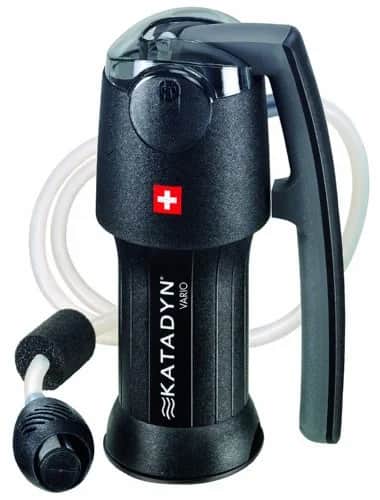
- Cleaning brush included (Katadyn Pocket ceramic)
- Replacement parts available: ceramic element, O-rings, cleaning supplies
- Storage instructions clear: can it be stored wet? (Most hollow-fiber filters: NO)
- Shelf life specified for unused filter
Common Traps to Avoid
Trap 1: "Survival" Marketing Without Specs
Filters marketed as "survival water purifiers" on Amazon without stated micron ratings, certifications, or manufacturer contact information should be avoided. If the product cannot tell you exactly what it removes, it cannot be trusted with your life.
Trap 2: Relying Solely on Activated Carbon
Activated carbon filters (Brita-style) improve taste and remove chlorine but are NOT emergency purification devices. They do not reliably remove bacteria or protozoa. They have no place as a primary emergency filter.
Trap 3: Never Testing Before Relying On It
Every filter should be tested with tap water before the emergency. Check flow rate, verify the squeeze/pump mechanism works under pressure, and confirm you can backflush or clean it.
Trap 4: No Virus Plan
If you're only buying a hollow-fiber filter and your area has sewage-contaminated waterways or urban runoff, you have no virus protection. Add €10 of chemical tablets as backup. This is often overlooked because protozoa and bacteria are the most common pathogens in clean outdoor water — but in an urban crisis with damaged sewage infrastructure, viral contamination is a real risk.
Recommended Combinations by Scenario
Scenario: Bug-Out Bag (Single Person, 72 Hours)
- Primary: Sawyer Squeeze (€40)
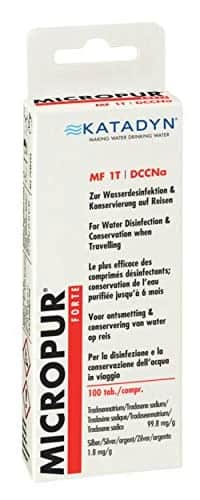
- Backup: Micropur Forte tablets (€10)
- Total: €50
Scenario: Family Emergency Kit (4 People, 2 Weeks)
- Primary: Sawyer Squeeze (used as gravity filter with extra bag)
- Virus backup: SteriPen Aqua or chemical tablets
- Sediment pre-filter: bandana or coffee filters
- Total: €60–100
Scenario: Long-Term Home Base (Indefinite)
- Primary: Katadyn Pocket ceramic (50,000L rated life)
- Carbon post-filter for taste
- Chemical backup
- Total: €150–200
Final Verification Before Purchase
- You have read at least one independent review (not Amazon — try Outdoor Gear Lab, Wirecutter, or equivalent)
- You know your primary water source in a crisis
- You have a plan for virus protection (UV or chemical)
- You know how to clean and store the filter
- Replacement parts are available in your region
A water filter is one of the highest-value pieces of emergency equipment you can own. The right choice, properly maintained, lasts years and can produce thousands of liters of safe water. Take the 30 minutes to make the right decision before purchasing.
Recommended Products
As an Amazon Associate we earn from qualifying purchases. Buying through our links supports the development of this app at no extra cost to you.