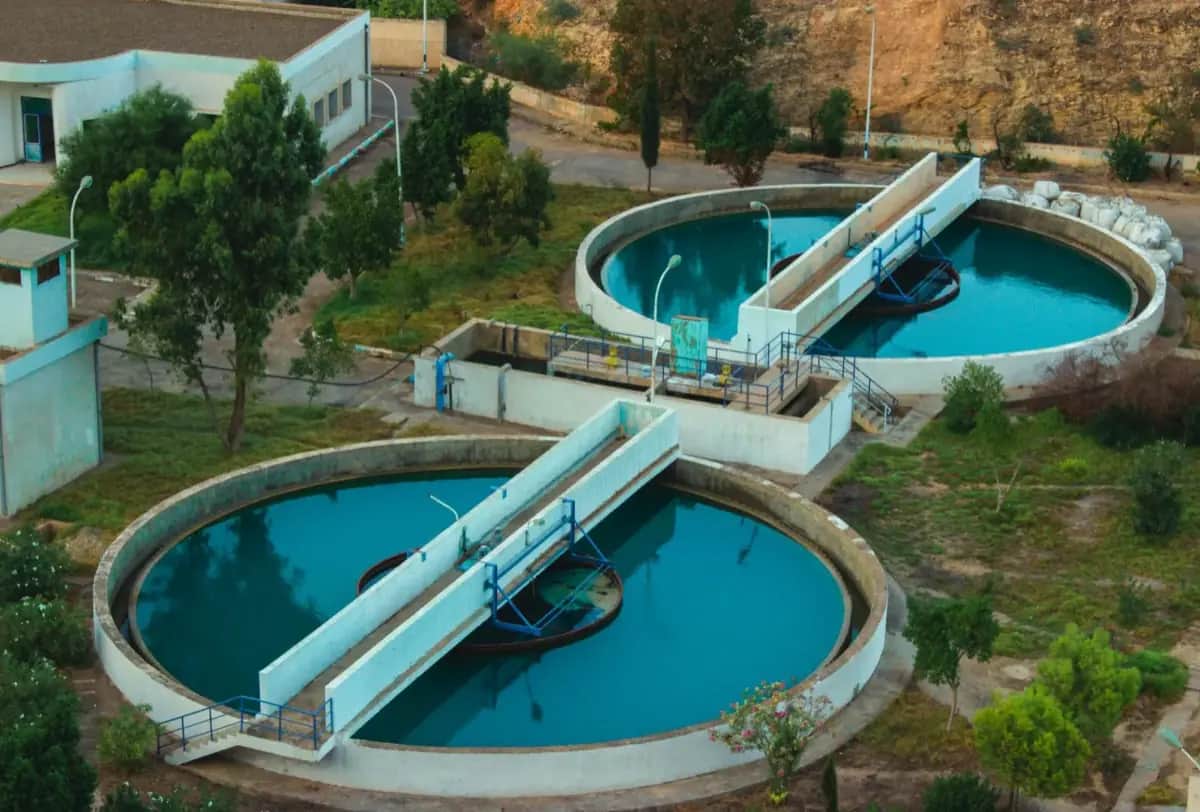
 Foto: Amine KM / Pexels
Calculate Water Storage for Your Household: The Complete Guide
How to calculate the exact water storage needs for your household, optimize your storage system, and ensure clean water access in any emergency scenario.
The Core Calculation
Water storage planning starts with one simple formula:
Liters needed = people × liters per person per day × number of days
Daily Water Requirements
| Use Case | Liters Per Day |
|---|---|
| Drinking only (minimum survival) | 2 L |
| Drinking + cooking | 3 L |
| Drinking + cooking + basic hygiene | 5 L (recommended) |
| Normal household use | 100-150 L (for context) |
Recommended target: 5 liters per person per day for a realistic emergency quality of life.
Quick Reference Table
| Household | 3 Days | 7 Days | 14 Days | 28 Days |
|---|---|---|---|---|
| 1 adult | 15 L | 35 L | 70 L | 140 L |
| 2 adults | 30 L | 70 L | 140 L | 280 L |
| 2 adults + 1 child | 39 L | 91 L | 182 L | 364 L |
| 2 adults + 2 children | 48 L | 112 L | 224 L | 448 L |
| Add per medium dog | +1.5 L | +3.5 L | +7 L | +14 L |
10 Tips for Optimizing Your Water Storage System
Tip 1: Start with the Minimum Viable Setup
Before planning an elaborate system, get to a functional baseline fast. For a 2-person household:
- 7 x 20-liter food-grade HDPE jerrycans = 140 liters = 14-day supply
- Cost: approximately €50-70
- Setup time: 2 hours
- Storage space: one cabinet or 0.5 m² floor space
This beats having nothing while you plan the perfect system.
Tip 2: Use 20-Liter Containers as Your Primary Unit
20-liter jerrycans hit the sweet spot of:
- Manageable weight (20 kg when full - liftable by most adults)
- Cost-effective per liter
- Stackable
- Standard size for rotation
Avoid 5-gallon (18.9L) water bricks - excellent product but more expensive per liter. Avoid very large containers (55-gallon barrels) as primary storage unless you have a pump and permanent location.
Tip 3: Add a WaterBOB for Surge Capacity
A WaterBOB is a single-use bathtub liner that holds up to 450 liters (approximately 100 gallons). It costs €20-25, stores flat until needed, and can be filled within minutes of receiving a warning.
For a 2-person household, one filled WaterBOB plus 4 small containers = 30+ day supply. For known emergencies (hurricane approaching, grid warning), this is an extremely effective one-time surge option.
Tip 4: Label Every Container Before Filling
Before filling any container:
- Label with fill date
- Label with "use by" date (6 months from fill date)
- Number containers sequentially (Container 1-7, etc.)
This makes rotation automatic: always use Container 1 first, refill and relabel as Container 7 (or highest number). Every container gets used and refreshed in order.
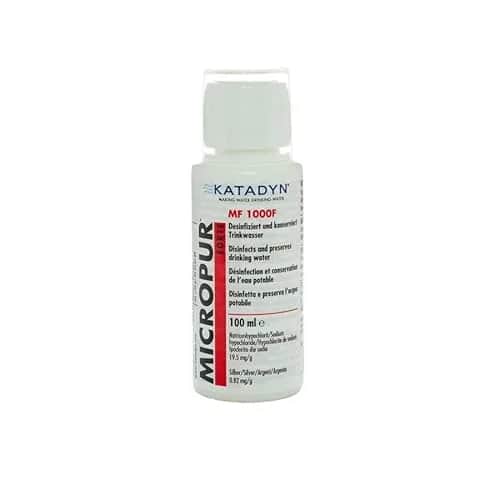
Tip 5: Add Bleach for Extended Shelf Life
Tap water already contains chlorine residual from municipal treatment. Adding 4 drops of plain unscented household bleach (5.25% sodium hypochlorite) per liter at filling provides an additional layer of protection against bacterial growth during storage.
This extends effective shelf life and gives additional safety margin if containers are not sealed perfectly. Total cost: pennies per container fill.
Tip 6: Separate Drinking Water from Hygiene Water
If space is limited, you don't need 5 L/person/day of drinking-quality water. You need:
- 2.5 L/person/day of full drinking-quality water (from sealed, treated containers)
- 1-2 L/person/day for cooking and hygiene - this can come from filtered tap water, rainfall collection, or lower-quality treated sources
Designating separate containers for each purpose lets you prioritize your cleanest water for drinking and extend your supply with less-pristine sources.
Tip 7: Know Your Alternative Sources Before the Emergency
Your stored water is your primary supply. But knowing your backup sources means you can extend indefinitely with the right equipment:
Urban alternatives:
- Fire service distribution points (activated during extended municipal failures)
- Public swimming pools (large volumes, treated water - may be accessible in emergencies)
- Natural water bodies (require filtration + disinfection)
- Rainwater collection (requires basic collection setup + filtration)
Rural alternatives:
- Wells (may require hand pump if electric pump fails)
- Streams and rivers (require filtration + disinfection)
- Rainwater (excellent quality if properly collected)
Map these within 2 km of your home before an emergency occurs.
Tip 8: Invest in a Hollow-Fiber Filter
A Sawyer Squeeze (€35-45) or equivalent hollow-fiber filter is the single best investment for extending your water supply beyond stored quantities. Rated for 1,000,000 liters, it removes bacteria and protozoa from any fresh water source.
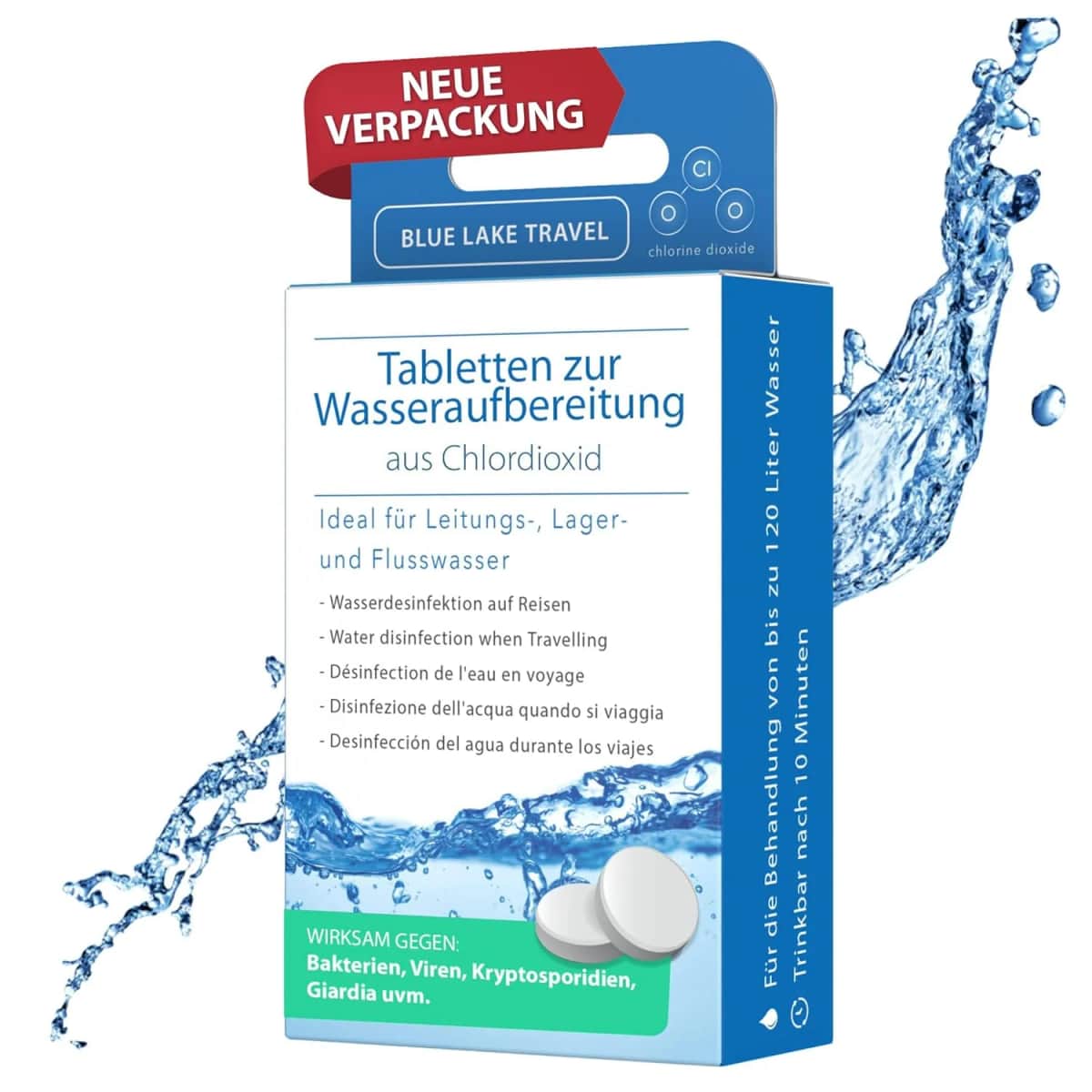
Combined with chemical tablets for viral coverage, this gives you the ability to produce safe drinking water from any freshwater source in your environment indefinitely.
Cost of filter + 50 chemical tablets: approximately €55 total.
Tip 9: Rotate on a Schedule, Not When You Remember
"I'll rotate when I remember" means containers that sit for 2-3 years before being opened (or never). Set a specific date - January 15 and July 15, for example - and make it an annual and mid-year ritual:
- Open the oldest container
- Taste and smell (should be odorless and taste clean)
- Use in cooking or watering plants
- Refill with fresh tap water
- Update label
- Move to back of rotation order
This 30-minute task twice a year ensures your supply is always fresh and your containers are always intact.
Tip 10: Test Your System Annually
Once a year, conduct a full system test:
- Access all containers (can you reach them quickly in darkness?)
- Check for cracks or seal failures
- Verify pump or siphon for large containers
- Confirm every household member knows where the supply is
- Test your water filter (run tap water through it; backflush Sawyer)
- Confirm chemical tablet supply is not expired
This takes 45-60 minutes and confirms that your system will actually work when needed.
The Complete Water Security System
With these elements in place, your household has multi-layer water security:
- Primary supply: 14-day stored water in labeled, rotated containers
- Surge capacity: WaterBOB for known advance-warning emergencies
- Backup filtration: Hollow-fiber filter for alternative sources
- Viral protection: Chemical tablets
- Knowledge: Known alternative sources within 2 km
- Access: All containers reachable in complete darkness
This system, built over a few weeks for €150-200, covers your most critical survival need in virtually any scenario for at least 2 weeks without leaving your home.
Recommended Products
As an Amazon Associate we earn from qualifying purchases. Buying through our links supports the development of this app at no extra cost to you.