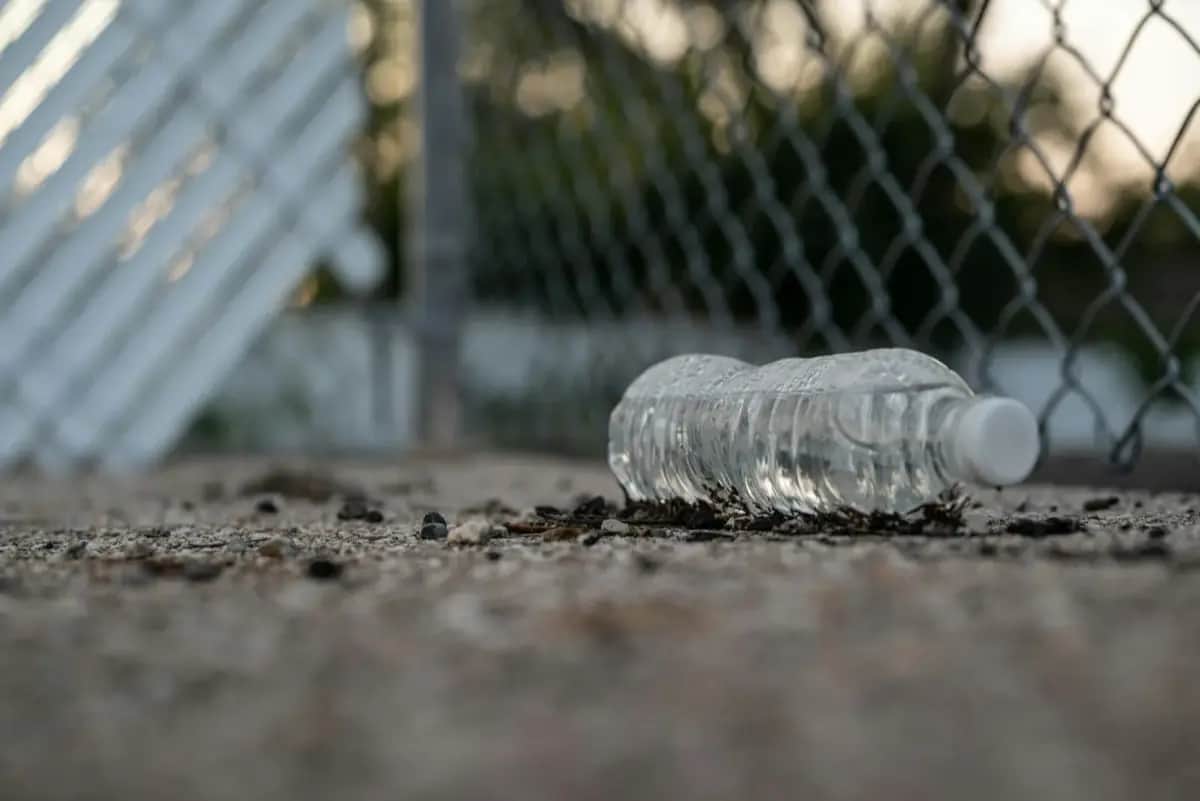
 Foto: Chris F / Pexels
Water Storage Guide: How to Prepare Your Emergency Water Supply
How much water to store per person, which containers are safe, and how to purify water in an emergency.
Why Water Is Your Most Critical Emergency Resource
Of all the preparations you can make for emergencies, water storage is the single most important. The human body can survive for weeks without food, but only 3 to 5 days without water — and significantly less time in hot weather or during physical exertion.
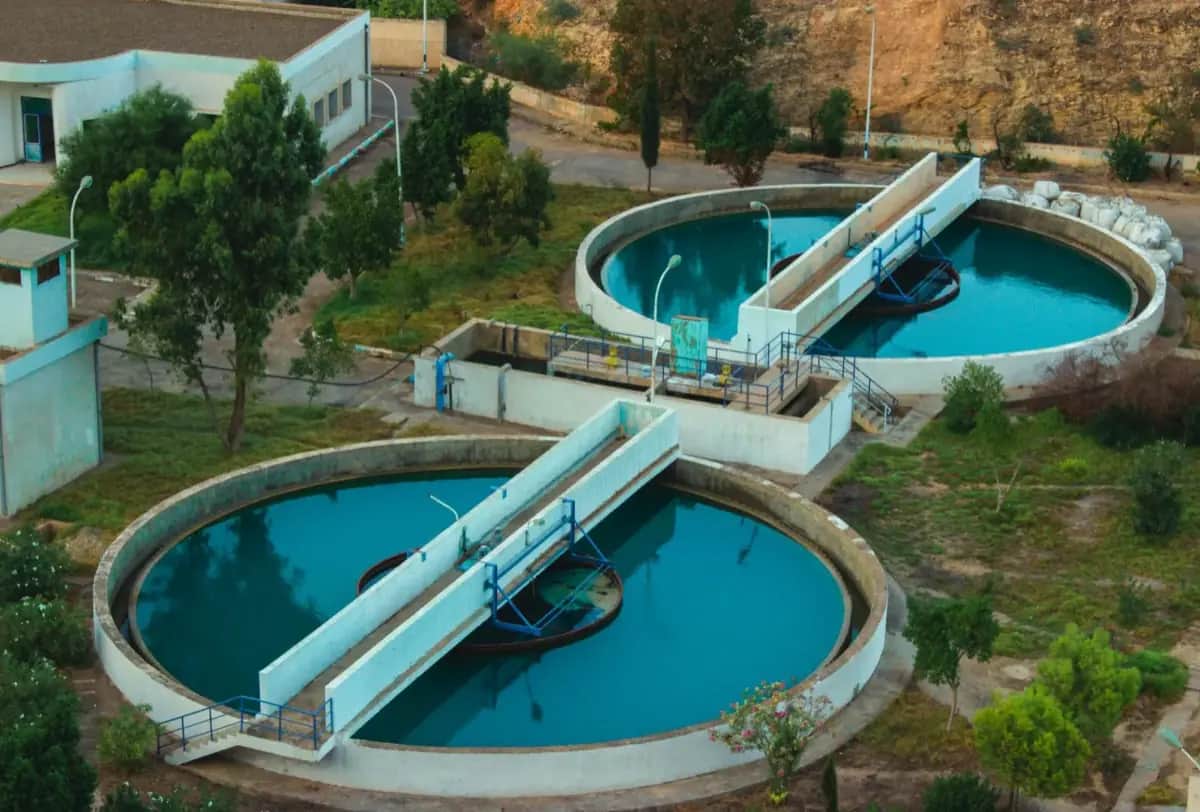
What makes this especially urgent is how quickly water becomes unavailable during a major emergency. Municipal water systems depend on electrically powered pumping stations. In a large-scale power outage, water pressure drops within hours to days. After major earthquakes or floods, water supplies may be contaminated by broken infrastructure or debris. Even a severe winter storm can freeze pipes and disrupt water delivery.
The good news: water storage is inexpensive and straightforward. A 2-week supply for one person fits in two 5-gallon jugs and costs about $20.
How Much Water to Store
FEMA minimum: 1 gallon (3.8 liters) per person per day
Practical recommendation: 2 gallons (7.6 liters) per person per day
- 1 gallon for drinking
- 1 gallon for cooking, handwashing, and basic hygiene
| Household | Days | At 1 gal/day | At 2 gal/day |
|---|---|---|---|
| 1 person | 14 | 14 gal (53L) | 28 gal (106L) |
| 2 people | 14 | 28 gal (106L) | 56 gal (212L) |
| Family of 4 | 14 | 56 gal (212L) | 112 gal (424L) |
Don't forget pets:
- Small dog: 0.5 cup (120ml) per 5 lbs body weight
- Large dog: approximately 0.5-1 gallon per day
- Cat: approximately 0.5 cup (120ml) per day
Note on the 1-gallon minimum: 1 gallon per day is survivable under calm, cool conditions. If you're physically active, stressed, in hot weather, or nursing a sick family member, you'll need significantly more.
Choosing the Right Storage Containers
Not all containers are food-safe or appropriate for long-term water storage. The wrong container can leach chemicals into your water or allow contamination.
Best Options
Food-grade HDPE plastic jugs (5-7 gallon):
- Look for HDPE (High-Density Polyethylen) with recycling code #2
- Must be opaque (dark blue, white, or other opaque color) — clear plastic allows light through, promoting algae growth
- Stackable versions save space
- Price: $8-15 each at outdoor or hardware stores
- Rotation: every 6-12 months
Commercially bottled water:
- Already sealed and treated
- Convenient for starting your supply or supplementing it
- Factory-sealed bottles: 1-2 year shelf life per label
- Bulk cases from warehouse stores are cost-effective
55-gallon water barrels:
- Best for households with space (garage, basement)
- Efficient: one barrel = 14-day supply for 4 people at 1 gal/day
- Requires barrel pump to access water
- Price: $50-90 per barrel
WaterBOB bathtub bladder:
- Fill-on-demand: only deployed when a crisis is anticipated
- 100-gallon capacity
- Uses your existing bathtub
- Single-use item, price: $25-40
- Keeps water clean and safe for up to 4 weeks
What to Avoid
- Milk jugs or juice bottles: Residual proteins and sugars can't be fully cleaned out; bacteria grows inside
- Clear or translucent containers: Light promotes algae and bacterial growth
- Containers not marked food-grade: Industrial plastics may leach harmful chemicals
- Metal containers without food-safe lining: Corrosion changes water taste and can introduce contaminants
How Long Does Stored Water Last?
Clean tap water stored properly in sealed, food-grade containers: 6-12 months. After this, it's not necessarily unsafe, but taste and quality degrade.
To maximize shelf life:
- Store in a dark location away from sunlight
- Maintain temperatures below 70°F (21°C)
- Keep away from chemicals (gasoline, cleaning products) — plastic is slightly permeable to vapors
- Never drink directly from the container; pour into a glass to avoid backwash contamination
- Label every container with the fill date
When to replace:
- Every 6-12 months for stored tap water
- If the water smells unusual, looks cloudy, or you're unsure of its history: treat before drinking
Water Purification Methods
When your stored supply runs low, or if you need to use water from an unknown source, you have several purification options:
Method 1: Boiling
The gold standard. Brings water to a full rolling boil for 1 minute (3 minutes at elevations above 6,500 ft / 2,000 m). Kills all biological pathogens: bacteria, viruses, and protozoa (Giardia, Cryptosporidium).
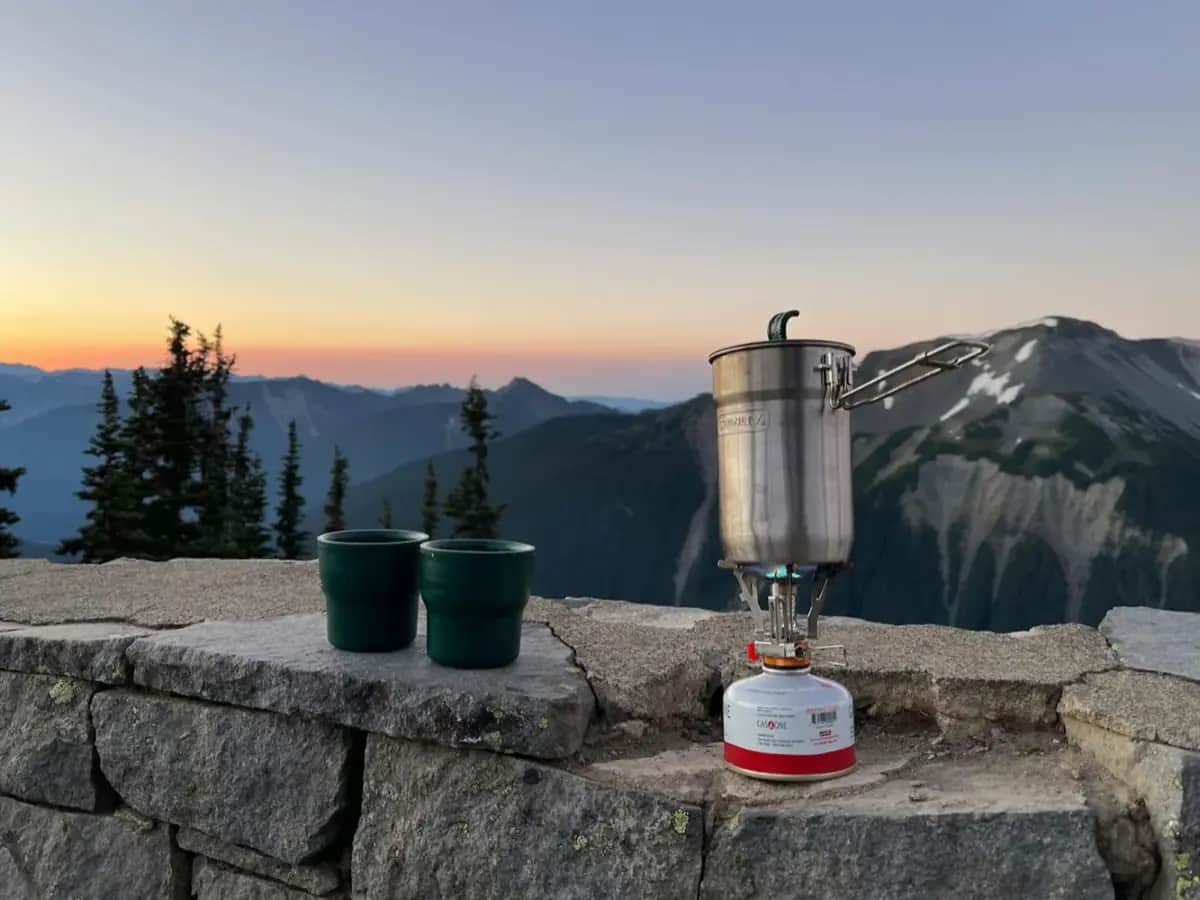
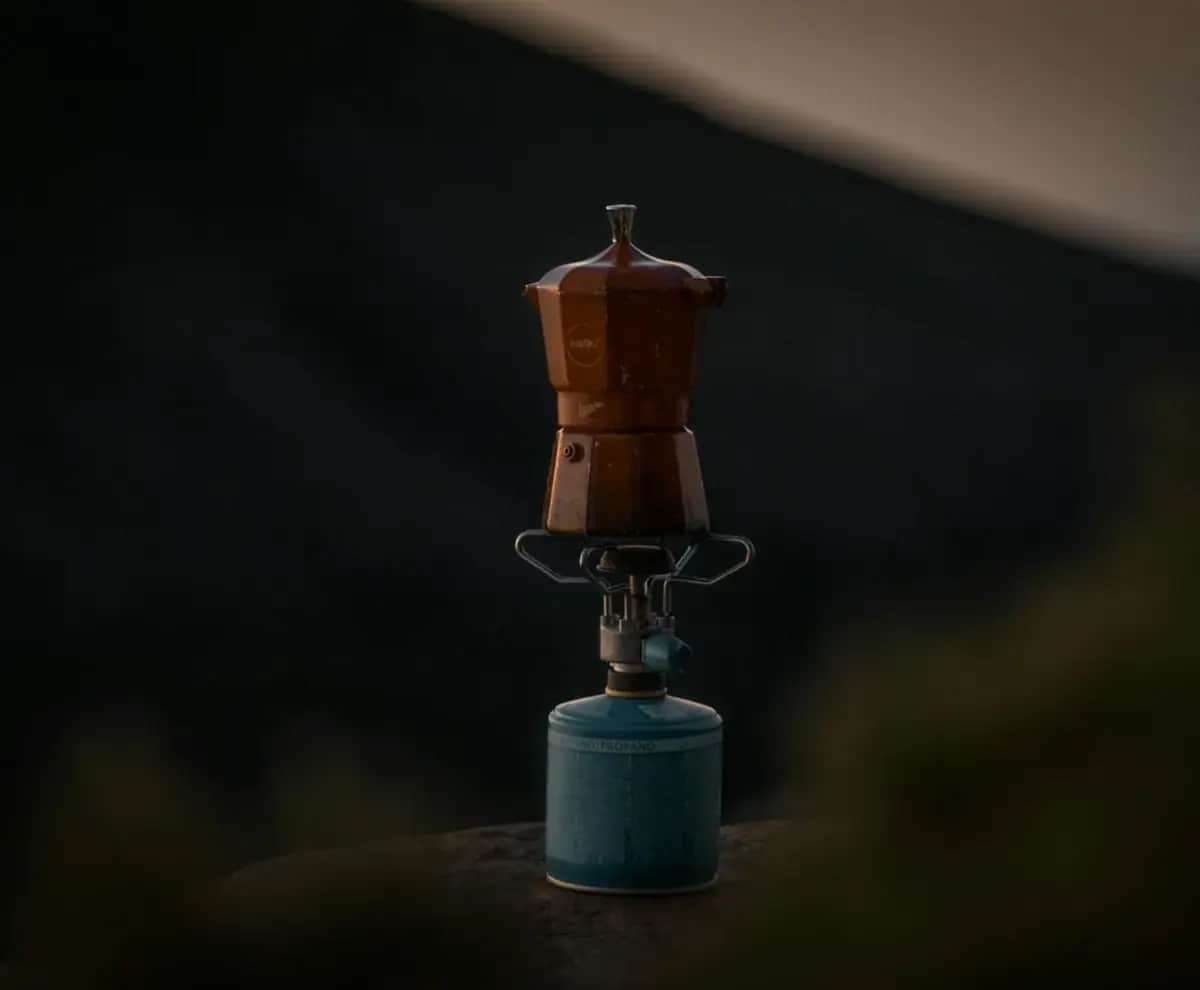
Limitations: Does not remove chemical contaminants, heavy metals, or sediment. Let water cool before drinking. Use a camp stove if power is out.
Method 2: Chemical Purification Tablets
- Iodine tablets: Effective against bacteria and most viruses; less effective against Cryptosporidium. Wait 30 minutes before drinking. Slight iodine taste.
- Chlorine dioxide tablets (Aquatabs, Potable Aqua): Broad-spectrum effectiveness including Cryptosporidium. Wait 30 minutes to 4 hours (longer for cold or turbid water).
- Sodium hypochlorite bleach: 8 drops of unscented 6% bleach per gallon; shake and wait 30 minutes. Check that bleach has no added scents or thickeners.
Tablets are lightweight and inexpensive — keep some in every emergency kit.
Method 3: Filtration
Hollow fiber filters (Sawyer Squeeze, Sawyer Mini):
- Removes bacteria (99.99999%) and protozoa (99.9999%)
- Does NOT remove viruses (critical in international travel or severe contamination scenarios)
- Lifespan: up to 100,000 gallons (378,000 liters)
- Price: $25-50
- Excellent for emergency bags
LifeStraw Personal:
- Drink directly from any water source through the straw
- Removes bacteria and protozoa
- 1,000-gallon lifespan
- Price: $15-20
- Ideal for individual emergency kits
Gravity filters and countertop systems:
- Berkey (stainless steel): removes bacteria, viruses, and many chemicals
- Higher upfront cost ($250-500) but lowest per-gallon cost over time
- Excellent for base camp or home backup
Ceramic filters:
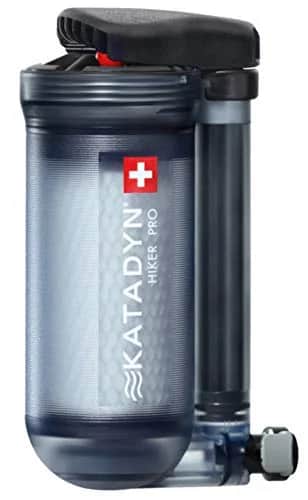
- Katadyn Pocket: 0.2 micron ceramic, 50,000-gallon lifespan
- Removes bacteria and protozoa; not viruses without activated carbon stage
- Price: $200-300; designed for lifetime use
The Combination Approach
For maximum safety with unknown water sources:
- Pre-filter through cloth or coffee filter to remove large sediment
- Filter with hollow-fiber or ceramic filter (removes bacteria and protozoa)
- Disinfect with chlorine dioxide tablets or boiling (kills viruses)
This three-stage approach handles virtually any water source.
Collecting Rainwater
Rainwater is generally clean as it falls but can pick up contaminants from roofing materials (tar, lead flashing, bird droppings) and air pollution.
Basic collection setup:
- Divert downspout runoff into a clean food-grade barrel or bucket
- Use a first-flush diverter to discard the first 10-20 gallons (which wash debris off the roof)
- Cover the collection vessel to prevent evaporation and mosquito breeding
- Treat before drinking: filter + boil or chemical treatment
In a true emergency, collected and treated rainwater is a valuable supplement to stored supplies.
Your Water Preparedness Checklist
- Minimum 7-day water supply stored per household member
- Food-grade, opaque containers labeled with fill dates
- Plan to rotate water every 6-12 months
- Water purification tablets in emergency kit
- Portable filter (Sawyer Squeeze or LifeStraw) in emergency bag
- Knowledge of how to boil water safely
- WaterBOB or equivalent for rapid large-volume storage during emergencies
- Pet water needs calculated and included
Getting Started Today
If you have zero water storage right now, here's your 30-minute action plan:
- Fill every pot and large container you own with tap water — this is your buffer
- Order or buy 2x 5-gallon food-grade jugs from a hardware or outdoor store
- Buy a box of water purification tablets
- Download your local emergency management app
That's a meaningful start. Build from there.
Recommended Products
As an Amazon Associate we earn from qualifying purchases. Buying through our links supports the development of this app at no extra cost to you.