 Foto: Patrick / Pexels
Water Purification in an Emergency: All Methods from Boiling to UV Light
A comprehensive comparison of all water purification methods for emergencies: boiling, chlorination, UV light, and filtration — what works, what doesn't, and when to use each.
The Core Problem: What Makes Water Unsafe?
Before choosing a purification method, understand what you're actually removing.
Water-borne threats fall into four categories:
1. Bacteria: E. coli, Salmonella, Campylobacter, Cholera, Leptospirosis
- Source: human and animal fecal contamination
- Size: 0.2–5 microns
2. Protozoa: Giardia, Cryptosporidium
- Source: animal (and sometimes human) fecal contamination in surface water
- Size: 1–300 microns
- Notable: Cryptosporidium is chlorine-resistant at normal doses
3. Viruses: Hepatitis A, Norovirus, Rotavirus, Polio
- Source: human sewage contamination
- Size: 0.02–0.3 microns (too small for most portable filters)
- More prevalent in areas with poor sanitation; rarer in clean backcountry water
4. Chemical contaminants: Heavy metals, pesticides, industrial chemicals, petroleum products
- Source: industrial runoff, agricultural contamination, flooding
- NOT addressed by biological purification methods
Method 1: Boiling
What it removes: All biological pathogens — bacteria, protozoa, viruses What it doesn't remove: Chemical contaminants, turbidity
How to Boil Effectively
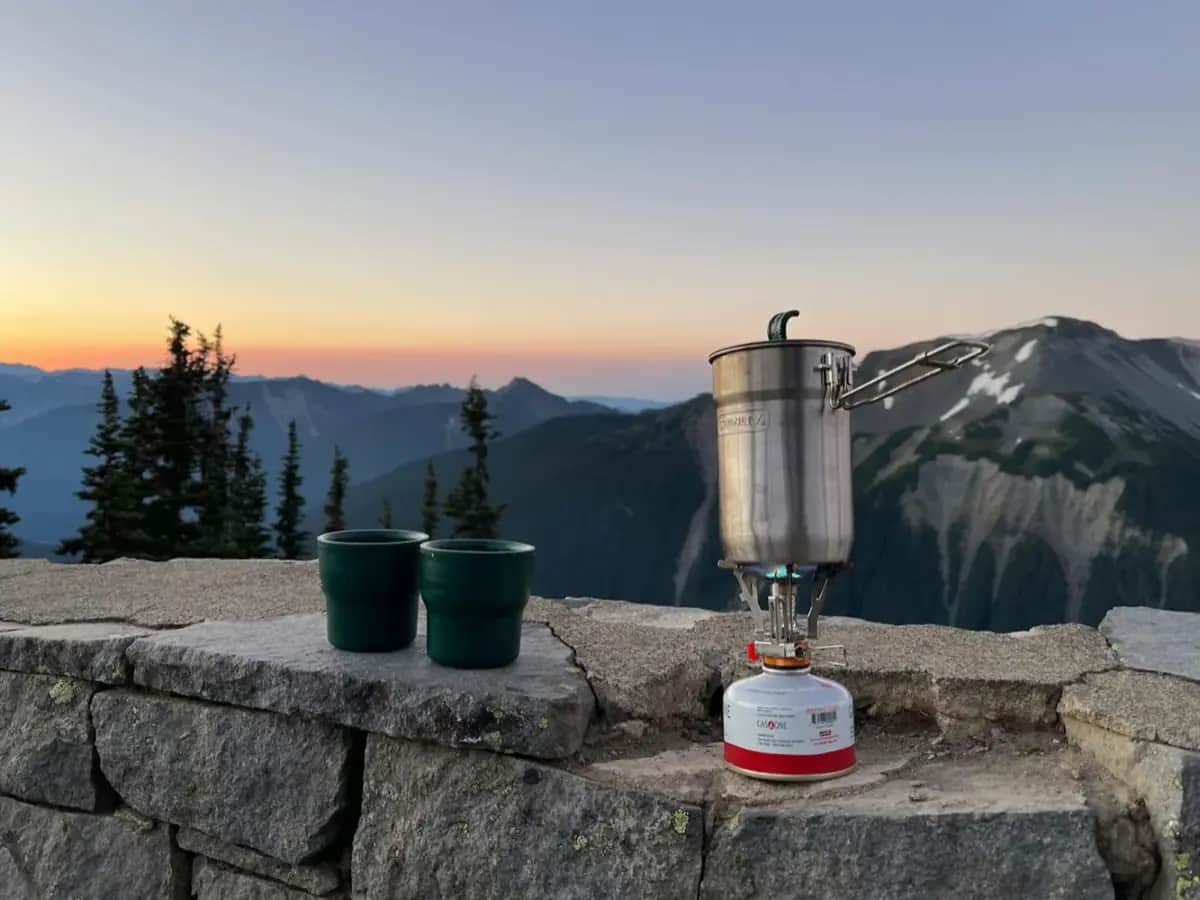
- Bring water to a rolling boil
- At sea level to 2,000m: 1 minute
- Above 2,000m: 3 minutes (lower boiling point at altitude)
- Let cool before drinking (boiling concentrates dissolved minerals but doesn't make them dangerous)
Pre-filtering Turbid Water
Boiling is more effective on clear water. If water is visibly murky, filter through a clean cloth, coffee filter, or improvised sediment filter first. Turbidity can shield pathogens from heat.
When to Use
Primary method for: Home base situations where fuel is available and speed is not critical. The universal backup method — always works, requires no specialized equipment beyond a heat source.
Limitations: Fuel-intensive for large volumes. Does not improve taste or remove chemical contamination.
Method 2: Chemical Disinfection
Chlorine Dioxide Tablets (Recommended)
Products: Micropur Forte, Aquatabs-PD, Pristine What it removes: Bacteria, viruses, Giardia (with extended contact time), and most protozoa Cryptosporidium: Requires 4+ hours at low temperatures; not reliable for rapid purification
Usage:
- 1 tablet per 1 liter of water
- Wait time: 30 minutes for clear warm water; 4 hours for cold or turbid water
- Taste: slight chemical aftertaste; can be improved with vitamin C neutralizer tablet
When to use: Lightest, cheapest option. Essential as backup to any mechanical filter. Ideal for bug-out bags (near-zero weight). Effective for virus protection where hollow-fiber filters fall short.
Iodine Tablets
Effective against: Bacteria, viruses, Giardia (not Cryptosporidium) Limitations: Not recommended for pregnant women, people with thyroid conditions, or long-term use Status: Largely replaced by chlorine dioxide as the preferred option
Sodium Hypochlorite (Household Bleach)
Emergency use: 4 drops of 5.25% unscented bleach per liter of clear water; 8 drops for turbid water Contact time: 30 minutes Limitations: Less effective in cold water; does not kill Cryptosporidium reliably; taste unpleasant
Bleach is an emergency measure when nothing else is available. Not a primary method.
Method 3: Mechanical Filtration
Hollow-Fiber Filters (Most Common Portable Option)
Products: Sawyer Squeeze, Katadyn BeFree, LifeStraw Pore size: 0.1 microns Removes: Bacteria, protozoa Does NOT remove: Viruses, chemical contaminants
Flow rate: 0.5–2 liters/minute Lifespan: 100,000+ liters (Sawyer rated to 1,000,000 liters) Maintenance: Backflush regularly; never freeze wet
When to use: Standard outdoor water filtration in developed countries with low viral contamination risk. Always pair with chemical backup for urban emergency scenarios.
Ceramic Filters
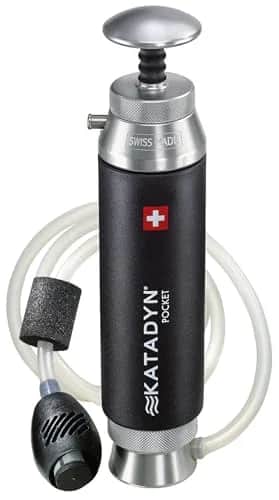
Products: Katadyn Pocket, Berkey (with ceramic elements) Pore size: 0.2–0.5 microns Removes: Bacteria, protozoa Does NOT remove: Viruses
Flow rate: Slower than hollow-fiber (0.5–1 L/min) Lifespan: 50,000–100,000 liters Maintenance: Scrub element when flow rate drops; do not drop (ceramic is fragile)
When to use: Long-term base camp or home use. More durable and longer-lived than hollow-fiber for stationary applications.
Activated Carbon Filters
Products: Brita filters, most household water filters Removes: Chlorine taste, some organic chemicals, improves taste Does NOT remove: Bacteria, protozoa, viruses, heavy metals
Critical note: Activated carbon filters are NOT emergency purification devices. They improve taste and remove some chemical compounds but provide no biological protection.
Use as a post-filter to improve the taste of chemically disinfected or UV-treated water.
Method 4: UV Purification
Products: SteriPen (various models), GRAYL UltraPress with UV What it removes: Bacteria, protozoa, viruses — all biological pathogens What it doesn't remove: Chemical contaminants, turbidity (actually reduces effectiveness)
How UV Works
UV-C light (short-wavelength ultraviolet) damages the DNA of microorganisms, preventing reproduction. It doesn't physically remove them — they remain in the water but cannot replicate or cause infection.
Limitations
- Turbid water: Particles shield pathogens from UV. Pre-filter turbid water before UV treatment.
- Battery dependent: A dead battery renders the device useless. Always carry backup batteries or a spare device.
- Does not improve taste: Chemical contamination and dissolved minerals remain.
When to Use
Ideal: Backcountry travel in areas with viral contamination risk. Paired with a hollow-fiber pre-filter for turbid sources.
In an emergency context: Excellent backup to a mechanical filter. UV + hollow-fiber covers all biological pathogen categories.
Comparison Table
| Method | Bacteria | Protozoa | Viruses | Chemicals | Speed | Fuel/Power Required |
|---|---|---|---|---|---|---|
| Boiling | Yes | Yes | Yes | No | Slow (must cool) | Yes (fuel) |
| Chlorine dioxide | Yes | Yes* | Yes | No | 30 min–4 hrs | No |
| Hollow-fiber filter | Yes | Yes | No | No | Fast | No |
| Ceramic filter | Yes | Yes | No | No | Slow | No |
| UV (SteriPen) | Yes | Yes | Yes | No | Fast (90 sec) | Yes (battery) |
| Activated carbon | No | No | No | Partial | Fast | No |
*Chlorine dioxide: effective against Cryptosporidium only with 4+ hours contact time in cold water.
The Recommended Layered Strategy
No single method covers everything. The most resilient approach:
Layer 1 (Primary): Hollow-fiber filter — handles 99% of backcountry and field purification needs with zero consumables
Layer 2 (Virus/Chemical backup): Chlorine dioxide tablets — covers viruses and adds Cryptosporidium coverage; costs under €15 for 50 liters worth of tablets
Layer 3 (Emergency backup): Boiling — always available if you have a heat source; requires no specialized equipment
Optional Layer: UV purifier — adds speed and virus coverage if battery power is available
This system costs under €80 complete and covers every biological threat category across all realistic emergency scenarios.
Recommended Products
As an Amazon Associate we earn from qualifying purchases. Buying through our links supports the development of this app at no extra cost to you.