 Foto: Vladimir Srajber / Pexels
Water Purification for Beginners: These 3 Methods You Must Know
Just starting with emergency water preparedness? These 3 water purification methods cover everything you need to know — no complicated equipment required.
Water purification sounds technical but it's fundamentally simple: remove or inactivate the things in water that will make you sick. For beginners, three methods cover almost every scenario you'll encounter in an emergency.
Why You Need to Know This
In any serious emergency — extended power outage, infrastructure failure, natural disaster — municipal water treatment may fail or supply may be disrupted. The average person can survive only 3 days without water. Knowing how to make water safe before you need to is essential preparation.
The key principle: Any water from an uncertain source should be treated before drinking.
What Makes Water Unsafe?
Biological contamination (most common in emergencies):
- Bacteria (E. coli, Salmonella, cholera)
- Viruses (norovirus, hepatitis A)
- Parasites (Giardia, Cryptosporidium)
Source: Flooding, compromised infrastructure, untreated natural sources
Chemical contamination (less common but serious):
- Industrial spills, agriculture runoff, corroded pipes
Method 1: Boiling (Best First Choice)
What you need: A pot and a heat source (stove, camp stove, fire)
How it works: Heat kills all biological pathogens. Simple, effective, universal.
Step-by-step:
- If water is visibly dirty, strain through a cloth first
- Heat to a full rolling boil
- Boil for 1 minute (3 minutes at high altitude)
- Cool in a covered container
- Store in a clean, sealed bottle
What it handles: Everything biological — bacteria, viruses, parasites What it doesn't handle: Chemical contamination
Beginner verdict: Start here. If you have fuel and time, boiling is the safest and most reliable choice.
Method 2: Water Purification Tablets (Best for Emergency Kits)
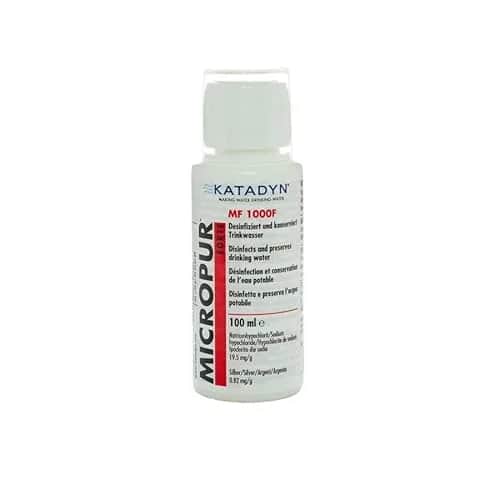
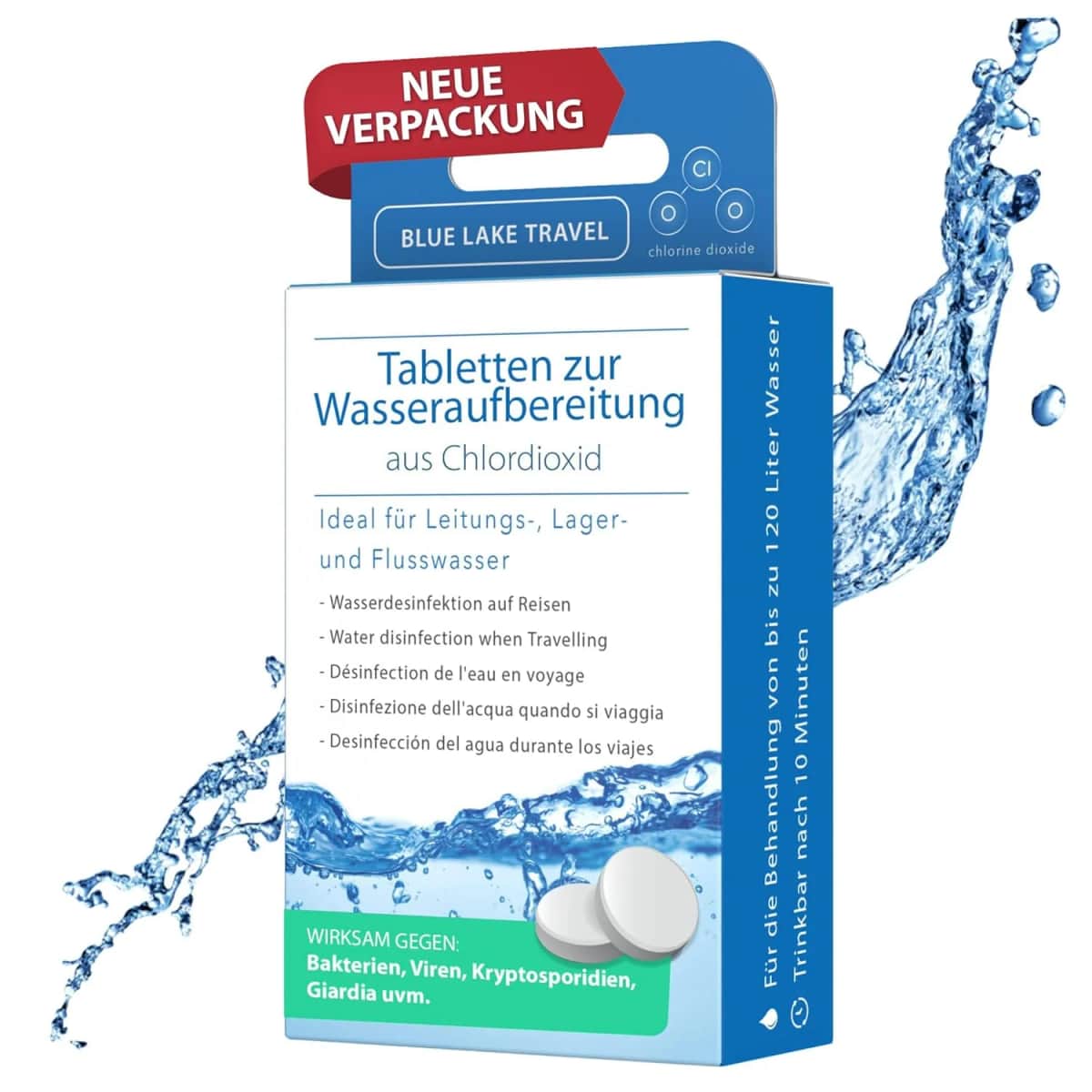
What you need: Water purification tablets (chlorine or chlorine dioxide)
How it works: Chlorine-based chemicals kill biological pathogens when dissolved in water.
Step-by-step:
- Fill container with water
- Add recommended number of tablets per liter (check packaging)
- Wait 30-60 minutes before drinking (longer for cloudy water or cold temperatures)
- Water is ready — a faint chlorine smell is normal
Types to know:
- Sodium dichloroisocyanurate (NaDCC): Most common, effective against bacteria and viruses
- Chlorine dioxide: More comprehensive, also kills Cryptosporidium (4-hour wait required)
Beginner verdict: Buy both types. Keep NaDCC tablets in your emergency kit for quick treatment. Keep chlorine dioxide for backup and uncertain sources.
Method 3: Mechanical Filtration (Best for Field Use)
What you need: A water filter (hollow fiber filter like Sawyer Squeeze or LifeStraw)
How it works: Water is forced through tiny pores (0.1-0.2 micrometers) that physically block bacteria and parasites.
Step-by-step:
- Pre-filter very turbid water through a cloth
- Fill source bag or container with unfiltered water
- Squeeze through the filter into a clean container
- Water is immediately safe from bacteria and parasites
Important limitation: Hollow fiber filters do NOT remove viruses. In developed countries this is rarely a concern (viruses in natural water sources are less common). In developing regions or serious infrastructure failures, combine with tablets.
Beginner verdict: A hollow fiber filter is excellent for ongoing use and portable scenarios. Combine with chlorine tablets for full spectrum coverage.
Building Your Basic Water Safety Kit
With these three methods covered, here's what to stock:
| Item | Quantity | Purpose |
|---|---|---|
| Water purification tablets (NaDCC) | 50 tablets | 50 liters of fast treatment |
| Chlorine dioxide tablets | 20 tablets | Full-spectrum backup |
| Camp stove | 1 | Boiling fuel source |
| Gas canisters (450g) | 6 | 18-24 hours of cooking/boiling |
| Hollow fiber filter | 1 | Ongoing field filtration |
Total cost: €100-150 and you're covered for months of water emergencies.
Common Beginner Questions
"Can I drink river water if I'm desperate?" Not safely without treatment. River water in populated areas contains bacteria and viruses even when it looks clear.
"Does bottled water expire?" The water doesn't, but the plastic can leach chemicals over time. Store in a cool, dark place. Commercially sealed water is safe for years.
"Is filtered water from my home tap safe during an outage?" A standard household carbon filter (Brita) does NOT purify water — it only improves taste and removes chlorine. After a boil advisory, boil water even through a Brita.
Recommended Products
As an Amazon Associate we earn from qualifying purchases. Buying through our links supports the development of this app at no extra cost to you.