 Foto: Magda Ehlers / Pexels
No Tap Water: How to Get Safe Drinking Water Within 24 Hours
Tap water has failed. Here's what to do in the first 24 hours to ensure safe drinking water for your household using what you have at home right now.
The tap runs dry. Or the water authority announces contamination. You have 24 hours to secure drinking water for your family. What do you do right now?
First 5 Minutes: Assess What You Have
Before panic sets in, take stock of your water sources:
Immediately available water:
- Stored bottled water (how many liters per person?)
- Water heater tank (often 100-200 liters of relatively clean water)
- Pipes still contain water — open lowest faucet to collect
- Ice in freezer (melts to clean water if grid power remains)
- Toilet tank (the tank, not the bowl — clean enough to treat)
Calculation: Adults need minimum 3 liters/day for drinking and cooking. Children and hot weather increase this.
With 200 liters from a water heater + your stored reserves, a family of 4 has days to organize a more permanent solution.
Hours 1-3: Secure All Water Sources
Action 1: Fill every container you have If you still have partial water pressure, fill bathtubs, pots, bottles, buckets immediately. You don't know how long partial supply will last.
Use a WaterBOB if you have one — a bathtub liner that holds 360 liters in a sanitary sealed bag. Without it, bathtub water is drinkable only if bathtub was clean.
Action 2: Tap water heater Most homes have a water heater holding 100-200 liters. This water is pre-heated and relatively clean. To access:
- Turn off power/gas to heater
- Open a hot water faucet upstairs to let air in
- Connect hose to drain valve at bottom of tank
- Gravity-drain into clean containers
Action 3: Check neighbors and local supplies Communities often respond quickly to water emergencies. Check local news, neighborhood groups, or the water utility website for emergency distribution points.
Hours 3-12: Treat Available Water
If you have water of uncertain quality (well water, rainwater, collected from natural sources), begin treatment:
Option A (fastest): Boiling Boil all drinking water. Requires fuel — this is why having a camping stove with full gas canisters is essential emergency prep.
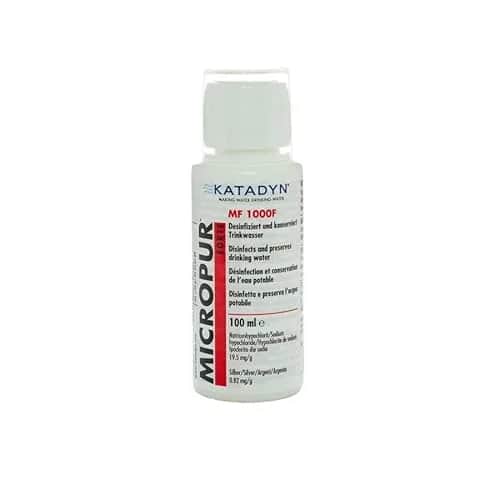
Option B (easiest, no fuel): Chlorine tablets If you have water purification tablets in your emergency kit, this is the moment to use them. 1 tablet per liter, 30-minute wait.
Option C (no supplies): Bleach (emergency only) Unscented household bleach (5.25-8.25% sodium hypochlorite) can disinfect water:
- Clear water: 8 drops per liter, wait 30 minutes
- Turbid water: 16 drops per liter, wait 30 minutes
Important: This is an emergency measure. Do not use bleach with fragrances, color-safe formulas, or other additives.
Hours 12-24: Establish a System
The immediate crisis is managed. Now build a sustainable system:
Establish a water chain:
- Collect/source water
- Pre-filter (cloth, coffee filter) to remove sediment
- Treat (boiling, tablets, or filter)
- Store in labeled, clean containers
Prioritize usage:
- Drinking and cooking: treated water only
- Dishes: treated water for rinsing, can use untreated for washing
- Personal hygiene: untreated water is fine
- Toilet flushing: untreated water
Track consumption: A family of 4 needs roughly 12-16 liters/day for drinking and cooking. Track your reserves to know how long you have.
What You Should Have Prepared (If You Didn't)
Next time, have these items ready:
- 60+ liters of stored water (15 liters per person minimum for 4 days)
- Water purification tablets (chlorine or chlorine dioxide)
- Hollow fiber filter (Sawyer Squeeze or similar)
- Camping stove with 4+ gas canisters
- 2-3 collapsible water containers (20 liter)
- WaterBOB or similar bathtub liner
Recommended Products
As an Amazon Associate we earn from qualifying purchases. Buying through our links supports the development of this app at no extra cost to you.