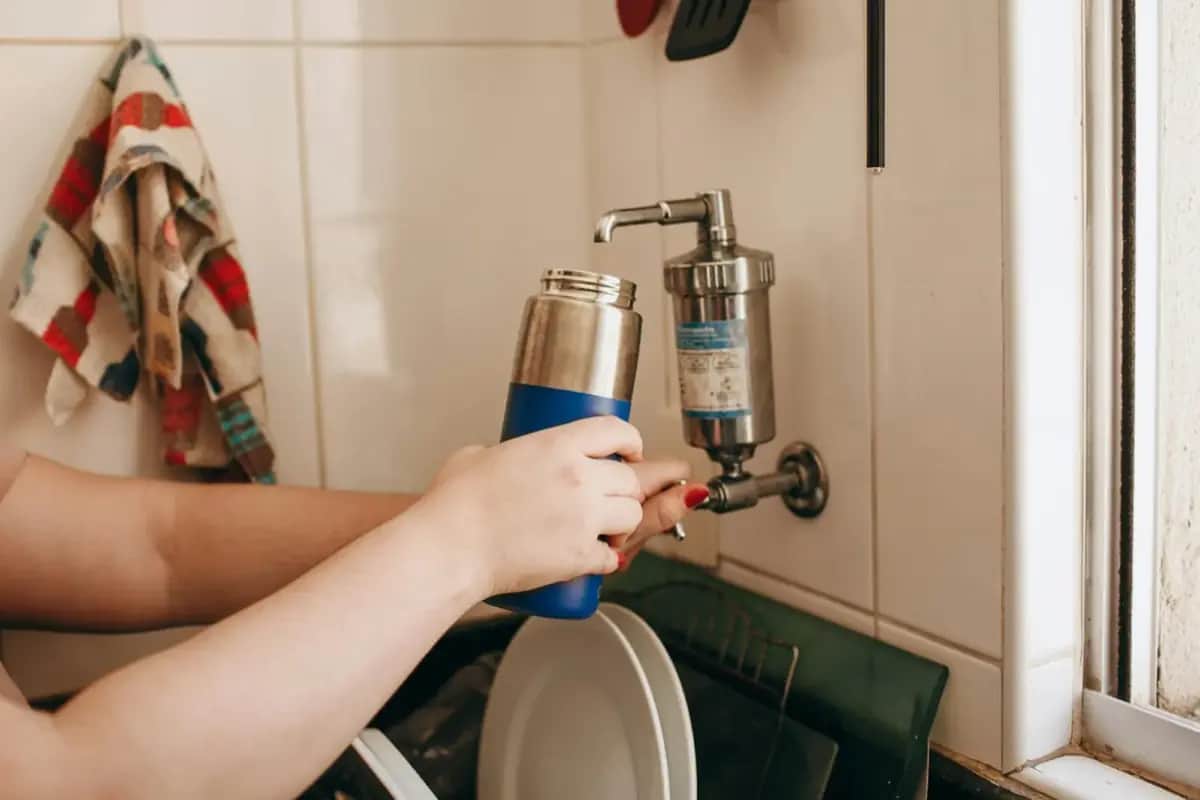
 Foto: Helena Lopes / Pexels
Boiling, Chlorination, UV Treatment: Step-by-Step Water Purification Guide
Step-by-step instructions for purifying water by boiling, chlorine tablets, and UV treatment. Which method to use when and how to combine them effectively.
Three reliable methods for making water safe to drink: boiling, chemical treatment, and UV disinfection. Each works differently and has specific strengths. This guide gives you exact step-by-step instructions for all three.
Method 1: Boiling — Step by Step
Boiling is the most reliable method against all biological contamination. No equipment needed beyond a fire source and a pot.
Step 1: Pre-filter turbid water
If water is visibly dirty, strain through a clean cloth first. Turbidity reduces effectiveness of all purification methods.
Step 2: Bring to a full rolling boil
A "rolling boil" means large bubbles that can't be stirred down. A gentle simmer is not sufficient.
Step 3: Boil for the right duration
- Sea level to 2,000m elevation: 1 full minute
- Above 2,000m elevation: 3 full minutes (water boils at lower temperature at altitude)
Step 4: Let cool in a covered container
Don't leave boiled water open — it can be recontaminated by dust, insects, or contact with contaminated surfaces.
Step 5: Store properly
Transfer to clean, sealed containers. Label with treatment date.
Removes: All bacteria, viruses, parasites Doesn't remove: Chemical pollutants, heavy metals Fuel required: Yes — plan for fuel storage in your emergency kit
Method 2: Chlorine Tablet Treatment — Step by Step
Chlorine tablets (sodium dichloroisocyanurate or calcium hypochlorite) are compact and effective. Essential for emergency kits.
Step 1: Check water clarity
If water is very turbid, pre-filter first. Add double the dose for cloudy water.
Step 2: Add correct dosage
Standard dosage: 1 tablet per liter for most brands. Check your specific product instructions.
Step 3: Stir and partially unscrew lid
Stir briefly, then loosen cap to let treated water clean the threads of your bottle.
Step 4: Wait the required time
- Clear water: 30 minutes
- Cloudy water: 60 minutes
- Cold water (under 10°C): Double the wait time
Step 5: Smell and taste check
Properly treated water should have a faint chlorine smell. No smell may indicate inadequate treatment. Strong chlorine smell is normal and will dissipate.
Removes: Bacteria, most viruses Limitation: Cryptosporidium is resistant to chlorine — combine with filtration for full protection Key advantage: Lightweight, cheap, long shelf life (5+ years sealed)
Method 3: UV Treatment — Step by Step
UV treatment uses ultraviolet light to inactivate pathogens by damaging their DNA. UV pens (like SteriPen) are the most practical for emergency use.
Step 1: Ensure water is clear
This is critical for UV. Turbid water absorbs UV and blocks treatment. Pre-filter cloudy water through a cloth or hollow fiber filter first.
Rule of thumb: If you can read text through the water in a bottle, it's clear enough for UV treatment.
Step 2: Insert UV pen and stir
For SteriPen: insert tip into water, activate, stir gently for the full treatment duration shown on the display (typically 90 seconds per liter).
Step 3: Drink immediately or store sealed
UV treatment doesn't leave a residual disinfectant in the water. Treated water can be recontaminated if left open. Drink promptly or seal in a clean container.
Removes: Bacteria, viruses, parasites (all pathogens) Doesn't remove: Chemical contaminants Requires: Clear water + batteries or solar power Key advantage: Fast, no chemicals, treats all pathogens including Cryptosporidium
Combining Methods: When and How
For most scenarios, one method is sufficient. But combinations add layers of protection:
Scenario: Flood water Risk: Bacterial + viral + chemical contamination Solution: Pre-filter → Activated carbon filter (chemical) → Boil or UV (pathogens)
Scenario: Backcountry stream Risk: Bacterial + parasitic contamination, low virus risk Solution: Hollow fiber filter (removes bacteria + parasites) — virus risk in pristine wilderness is low
Scenario: Uncertain urban water source Risk: Bacterial, viral, unknown chemical Solution: Boil (safest all-around) or UV + activated carbon filter
Emergency Water Treatment Quick Reference
| Method | Bacteria | Viruses | Crypto | Chemicals | Time needed |
|---|---|---|---|---|---|
| Boiling | ✓ | ✓ | ✓ | ✗ | 5-10 min |
| Chlorine tablets | ✓ | ✓ | ✗ | ✗ | 30-60 min |
| Chlorine dioxide | ✓ | ✓ | ✓ | ✗ | 4 hours |
| UV pen | ✓ | ✓ | ✓ | ✗ | 90 sec/L |
| Hollow fiber filter | ✓ | ✗ | ✓ | ✗ | Flow rate |
| Activated carbon | ✗ | ✗ | ✗ | ✓ | Flow rate |
Recommended Products
As an Amazon Associate we earn from qualifying purchases. Buying through our links supports the development of this app at no extra cost to you.