 Foto: MART PRODUCTION / Pexels
9 Tips for Water Filtering in an Emergency: Even Without Expensive Equipment
9 practical tips for water filtering in an emergency — from DIY methods to professional filters. What really helps and what can actually be dangerous.
Why Water Filtering in Emergencies Is a Core Skill
During a crisis — whether flooding, infrastructure failure, or blackout — tap water can become contaminated or entirely unavailable. Knowing how to filter water is one of the most important survival skills there is. At the same time, a lot of misinformation circulates online about what truly provides protection.
Here are 9 tips based on scientific principles and practical experience.
Tip 1: Understand the Difference Between Filtering, Boiling, and Purifying
This is the most important principle: Filtering alone doesn't always make water safe.
- Filtering removes particles, sediment, protozoa (cryptosporidium, giardia), and bacteria (if 0.2 micron or smaller)
- Boiling reliably kills bacteria, viruses, and protozoa
- Chemical treatment (chlorine, iodine) kills bacteria and viruses but doesn't work against all protozoa
- UV light (SteriPen) kills all biological pathogens — if the water is clear
For genuine protection you often need a combination: filter first (remove sediment), then boil or chemically treat.
Tip 2: Hollow Fiber Filters Are the Best Entry Point
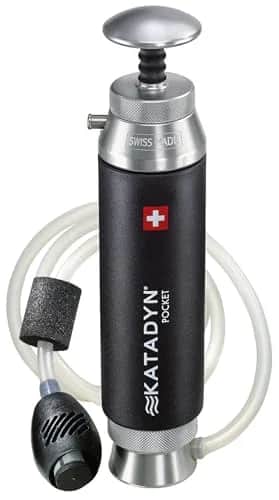
For crisis preparedness, a hollow fiber filter like the Sawyer Squeeze or LifeStraw is the best foundational investment. Why:
- Filters bacteria and protozoa down to 0.1 micron
- Very light (30-80 g)
- Affordable (20-50 euros)
- Can be backflushed (virtually unlimited lifespan)
- No electricity, no consumables
But: Hollow fiber filters do NOT filter viruses. In Germany, groundwater and tap water are normally virus-free — in other countries or with contaminated sources (flooding, wartime), additionally boil or chemically treat.
Tip 3: Always Pre-Filter Turbid Water
The clearer the water before filtering, the more effective and longer-lasting your filter. Turbid water with high sediment content quickly clogs hollow fiber filters.
Pre-filter options:
- Pour through a t-shirt or coffee filter
- Pour through a cloth with multiple layers
- Let stand 30-60 minutes for sediment to settle, then use only the top half
Tip 4: Boiling Is the Most Reliable Method
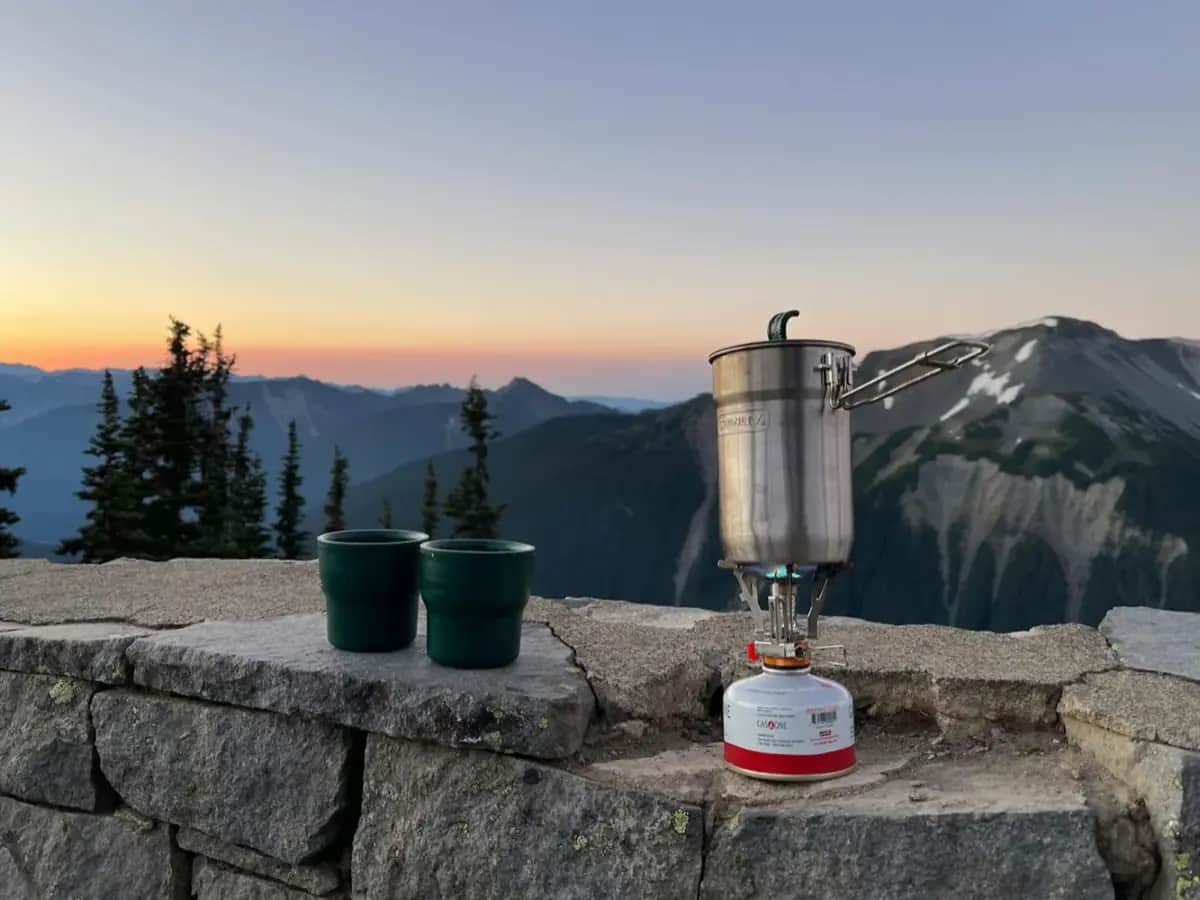
When unsure what's in the water: boiling is the safest method. Bring water to a full rolling boil (at least 1 minute; above 2,000 m altitude: 3 minutes) — this kills all biological pathogens.
Downside: Boiling requires fuel (gas, wood) and time. For chemical accidents or heavy metal contamination, boiling DOES NOT help — activated carbon filters or distilled water are needed.
Tip 5: Ceramic Filters for Long-Term Use
Ceramic filters (e.g., Doulton, AquaCeramic) are heavier and more expensive than hollow fiber filters, but:
- Filter size often 0.2-0.9 micron (very effective against bacteria)
- Lifespan of 5-10 years with regular cleaning
- Can be scrubbed under running water
- No electricity required
For stationary home crisis preparedness: highly recommended.
Tip 6: UV Pens Only with Clear Water
SteriPen and similar UV devices are very practical but have one important limitation: UV light cannot penetrate turbid water. Particles in the water can shield pathogens.
Rule: UV treatment ALWAYS after filtering, never before. Water must be clear for effective UV disinfection.
Tip 7: Using Chlorine Tablets Correctly
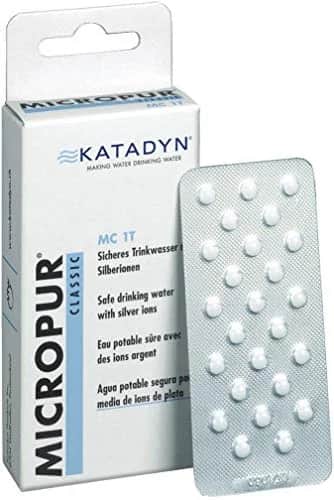
Chlorine tablets (e.g., Micropur Forte) are inexpensive, lightweight, and effective. Stock at least 200 tablets for crisis preparedness.
Correct use:
- 1 tablet per liter of clear water
- Allow 30 minutes contact time before drinking
- 2 tablets per liter for turbid water, 60-minute contact time
- Effective against bacteria and viruses, but NOT reliably against cryptosporidium
Note: Chlorine tablets can form trihalomethanes (potential carcinogens) in water with high organic content. With very dirty water: filter and boil first.
Tip 8: Activated Carbon Filters for Taste and Odor
Activated carbon filters (Brita or similar jugs) remove chlorine, many organic compounds, and improve taste and odor. But they are NOT a safety filter — they don't reliably remove bacteria or viruses.
Use: As the final step after boiling or chemical treatment, to remove taste and residual chlorine.
Tip 9: Combining Multiple Methods Is Better Than One Perfect Method
The "water purification triangle" for maximum safety:
- Mechanical filtering (hollow fiber or ceramic) → removes sediment, bacteria, protozoa
- Thermal or chemical disinfection (boiling or chlorine tablets) → kills viruses
- Activated carbon post-filter → improves taste, removes residual chemicals
This three-step combination works for almost all water sources — rainwater, river water, well water — and produces safe drinking water without expensive high-tech equipment.
Your Emergency Water Filter Kit
Minimum (30-50 euros):
- LifeStraw or Sawyer Squeeze
- 100 Micropur Forte chlorine tablets
- 2-3 meters tubing/bag for the filter
Recommended (80-150 euros):
- Katadyn BeFree 1L (hollow fiber + bottle)
- SteriPen Aqua (UV)
- Brita filter jug + 6 replacement cartridges
- 200 chlorine tablets
With this combination you're prepared for virtually all water quality scenarios and can safely treat larger quantities.
Recommended Products
As an Amazon Associate we earn from qualifying purchases. Buying through our links supports the development of this app at no extra cost to you.