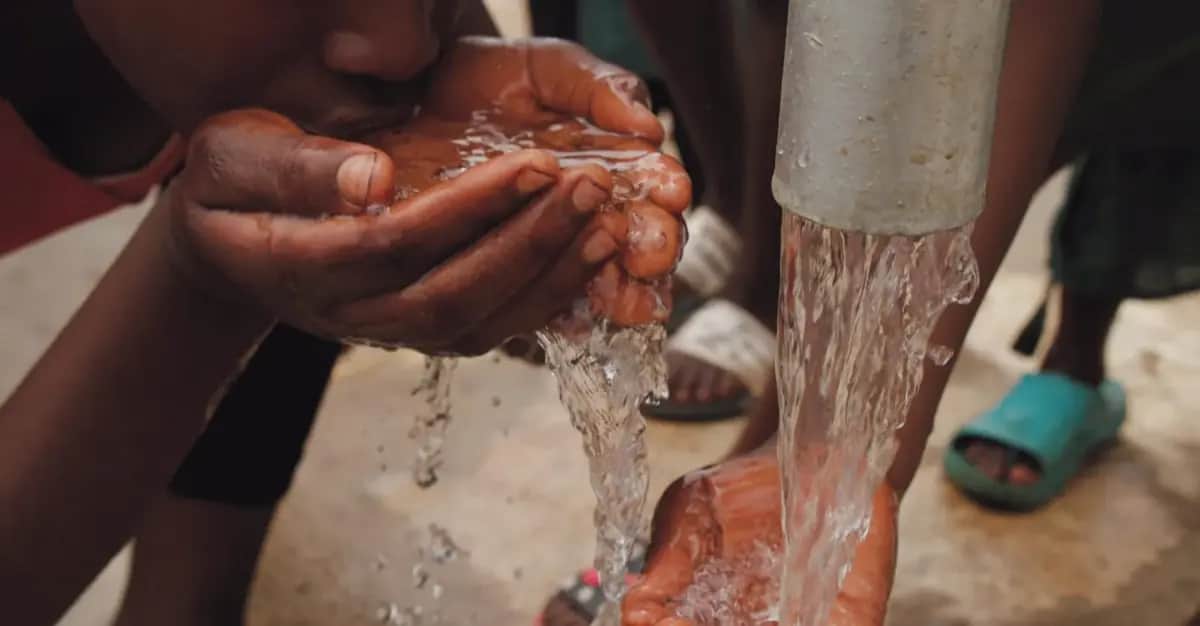
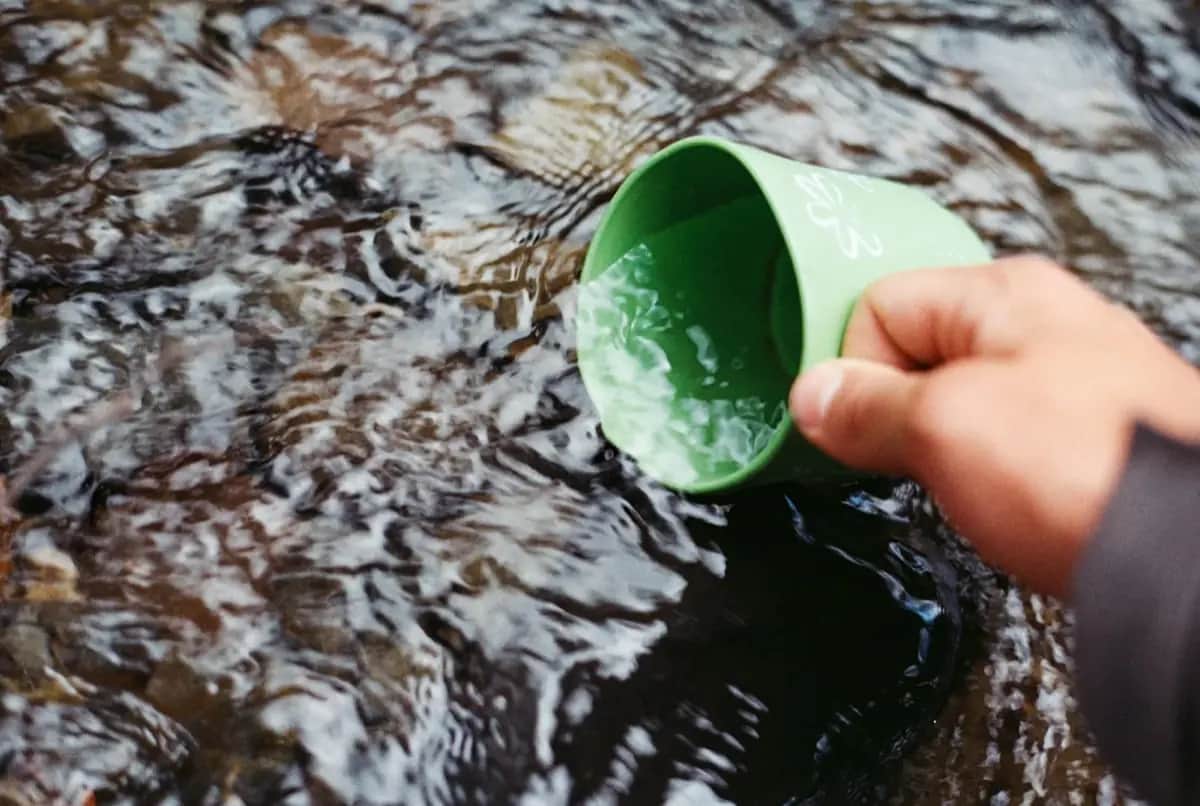
 Foto: Jens Johnsson / Pexels
Water Filters in a Crisis: The Complete Guide for Clean Drinking Water
Everything you need to know about water filtration for emergency preparedness: which filters work, what they remove, and how to choose the right one for your situation.
Why Water Filtration Is Your Most Critical Skill
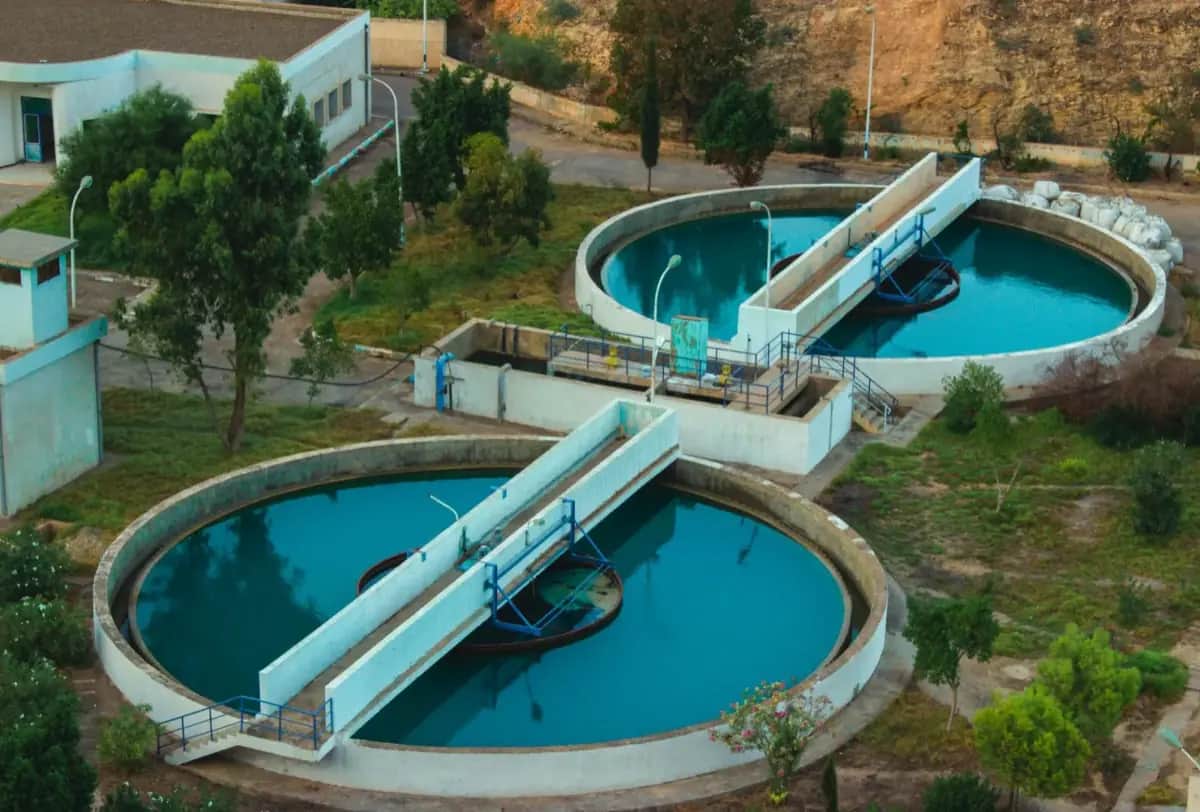
In a crisis scenario — extended power outage, infrastructure failure, or natural disaster — the municipal water supply is often the first system to fail or become unreliable. Pump stations lose power. Treatment plants go offline. Distribution systems become contaminated.
The human body can survive three weeks without food. Without water, you have three to five days — less in heat or physical exertion. Clean water is not optional.
Understanding water filtration means you can make safe drinking water from rivers, lakes, rainwater, or any questionable source. This skill can be the difference between a manageable crisis and a life-threatening situation.
What Contaminants Do You Need to Remove?
Before choosing a filter, understand what threats you face:
Biological Contaminants (Most Common Emergency Risk)
Bacteria — Salmonella, E. coli, Campylobacter, Cholera
- Source: human and animal waste contamination
- Hollow-fiber filters (0.1 micron or finer) remove these reliably
Protozoa — Giardia, Cryptosporidium
- Source: animal waste in surface water
- Hollow-fiber filters remove these reliably
Viruses — Hepatitis A, Norovirus, Rotavirus
- Source: human sewage contamination
- Most portable filters do NOT remove viruses — requires special membranes, UV treatment, or chemical disinfection
Chemical Contaminants
Heavy metals, pesticides, industrial chemicals, chlorine taste
- Activated carbon blocks remove organic chemicals and improve taste/odor
- Does not reliably remove dissolved metals without specialized media
Understanding Filtration Levels
| Method | Bacteria | Protozoa | Viruses | Notes |
|---|---|---|---|---|
| Hollow-fiber (0.1µm) | Yes | Yes | No | Best for backcountry, developing countries |
| Ceramic (0.2µm) | Yes | Yes | No | Durable, slow flow rate |
| Activated carbon | Partial | Partial | No | Improves taste, not primary purification |
| UV light (SteriPen) | Yes | Yes | Yes | Requires clear water, battery-dependent |
| Chemical tablets | Yes | Partial | Yes | Backup only, affects taste |
| Boiling (1 min) | Yes | Yes | Yes | Most reliable, requires fuel |
The Best Filter Types for Emergency Preparedness
Hollow-Fiber Filters (Recommended Primary Choice)
Sawyer Squeeze / Sawyer Mini
- Removes bacteria and protozoa to 0.1 micron
- Rated for 1,000,000 gallons (nearly unlimited field life)
- Extremely lightweight (50–100g), low cost (€30–50)
- Can be used inline, on a bottle, or as a gravity filter
- Best choice for: bug-out bags, individual emergency use
LifeStraw Personal
- Similar performance to Sawyer Squeeze
- Straw-style design: drink directly from water source
- Lower volume than Sawyer; more limited applications
- Best choice for: individual emergency kit, lowest price point
Katadyn BeFree
- Hollow-fiber with soft flask integration
- Fast flow rate, easy to clean by shaking
- Best choice for: active use, those wanting an all-in-one bottle filter
Ceramic Filters (Recommended for Home Base)
Katadyn Pocket
- Ceramic depth filter, 0.2 micron
- Extremely durable — rated for 50,000 liters
- Slow flow but nearly indestructible
- Best choice for: long-term home or base camp use
UV Purifiers (Add-On for Virus Protection)
SteriPen (various models)
- Destroys bacteria, protozoa, and viruses with UV-C light
- Works in seconds for clear water
- Battery-dependent — requires charged batteries or external power
- Best choice for: travelers to areas with sewage contamination, combined with hollow-fiber pre-filter
Chemical Backup (Lightest, Cheapest Option)
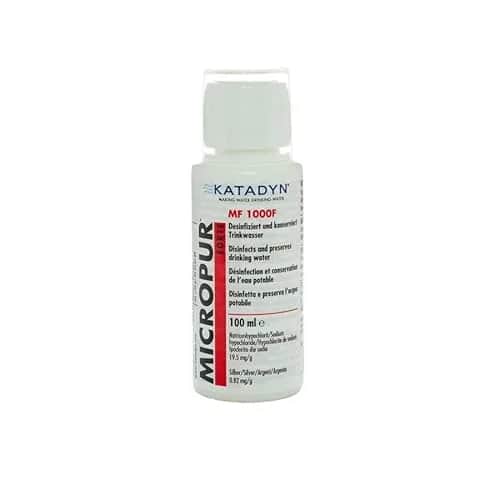
Micropur Forte (chlorine dioxide tablets)
- Effective against bacteria, protozoa, and viruses
- Wait time: 30 minutes to 4 hours
- Small and light — fits in any kit
- Best choice for: backup to primary filter, emergency kit
Javel Aquatabs
- Sodium dichloroisocyanurate
- Less effective against Cryptosporidium without extended contact time
- Best choice for: low-cost backup in conjunction with boiling
Emergency Filtration Without Dedicated Equipment
If you have no filter, these methods still provide safer water:
Improvised Sediment Pre-Filter
Pour water through cloth, coffee filters, or layered sand/gravel to remove large particles before disinfection. Clarity improves effectiveness of all disinfection methods.
Boiling
One minute at a rolling boil kills all biological pathogens. At altitude above 2,000m, boil for three minutes.
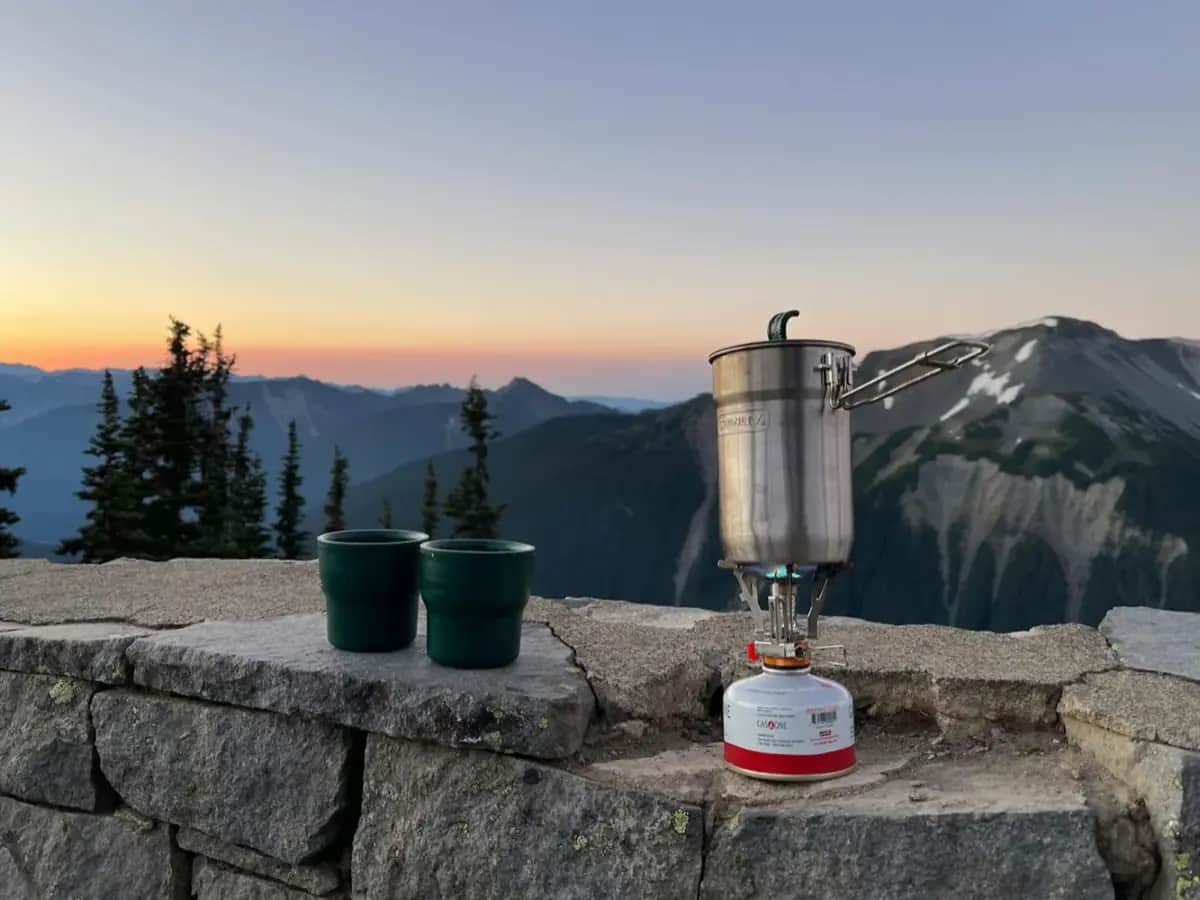
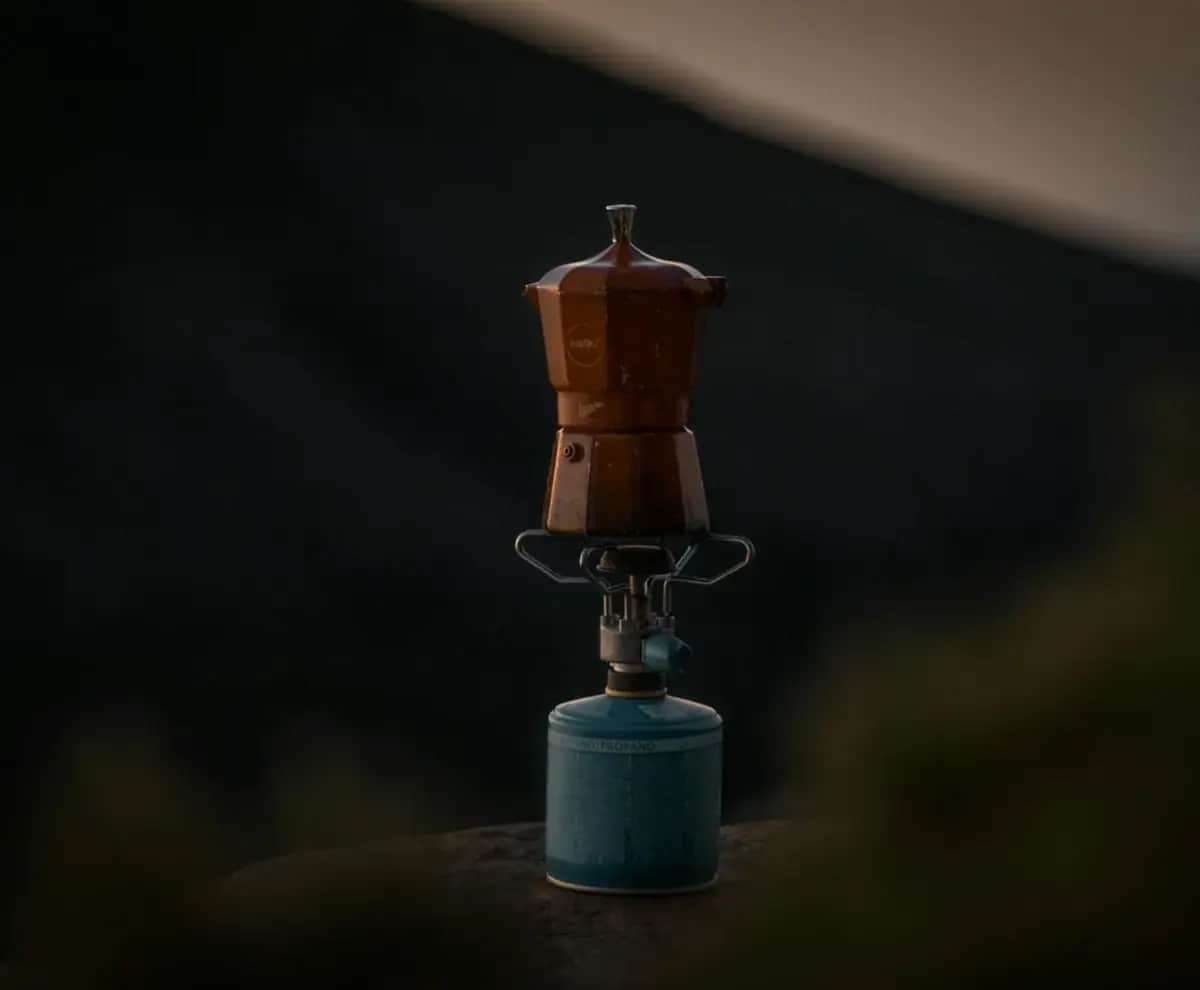
Requirements: heat source (camp stove, fire) and fuel.
Emergency Improvised Filter
Multi-layer container: gravel → sand → activated charcoal (from fire, cooled completely) → cloth. This reduces sediment and biological load. Not adequate as sole purification — follow with boiling or chemical treatment.
Building Your Water Filtration Kit
Minimum Kit (Budget: €40–60)
- Sawyer Squeeze filter: €35–45
- Micropur Forte tablets (50 pack): €10–15
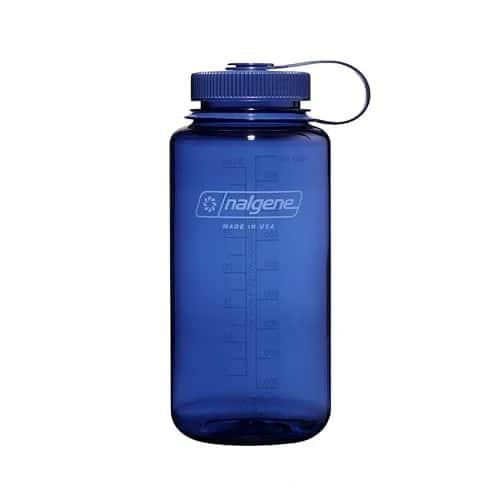
- 2L water bag/bottle compatible with Sawyer
Comprehensive Kit (Budget: €100–150)
- Katadyn BeFree 1L: €60–70
- SteriPen Aqua UV: €50–60
- Micropur Forte tablets as backup
- Pre-filter cloth bag
Long-Term Base Camp Kit
- Katadyn Pocket ceramic filter (or gravity system)
- Large-capacity reservoir (10–20L)
- Activated carbon post-filter for taste improvement
- Chemical backup
Maintenance: The Critical Step Most People Skip
A filter that is not maintained can become a bacterial growth medium.
- Sawyer: Backflush regularly with the included syringe; never freeze a wet filter
- Katadyn Pocket: Clean ceramic element with the included brush when flow rate drops
- Hollow-fiber filters generally: Allow to dry completely before storage
- UV devices: Replace batteries before any emergency deployment; check bulb annually
Test your filter twice a year. Inspect for cracks, blockages, and degraded seals. A filter you've never used under pressure is an unknown — test it with tap water first.
The Complete Emergency Water Strategy
A single method is not enough. Build redundancy:
- Storage first: 14-day supply of stored water (no filtration needed)
- Primary filter: Hollow-fiber for biological removal (Sawyer or Katadyn)
- Virus backup: UV pen or chemical tablets for sewage-contaminated sources
- Final backup: Ability to boil water
With this layered approach, you can produce safe drinking water from virtually any freshwater source, regardless of what equipment fails.
Recommended Products
As an Amazon Associate we earn from qualifying purchases. Buying through our links supports the development of this app at no extra cost to you.