 Foto: Alina Chernii / Pexels
Crisis Preparedness for City Dwellers: The Complete Urban Prepping Guide
Urban crisis preparedness is different from rural prepping. This complete guide addresses the specific challenges and advantages of preparing in a city apartment.
Urban Prepping Is Different
Most mainstream preparedness advice is written with rural homeowners in mind: large storage space, garden for food production, well for water, woodstove for heating. A detached house with 200 m² storage capacity.
City apartment dwellers face fundamentally different constraints:
- 40-80 m² with limited storage
- Landlord and HOA restrictions
- No garden for food production
- Dense proximity to neighbors (advantage AND disadvantage)
- More vulnerable to prolonged supply chain disruption
- Better access to services and infrastructure when they're working
Urban preparedness requires a different approach.
The Urban Advantages
Before addressing constraints, acknowledge the genuine advantages of urban preparedness:
Infrastructure proximity: During normal function, city infrastructure is highly reliable. Redundant power grids, multiple water supply systems, accessible emergency services.
Community density: In a crisis, having many neighbors means collective resources, mutual aid, shared skills. Urban communities with social cohesion do well in crises.
Supply diversity: Multiple shops, pharmacies, services in walking distance. Less dependence on a single supply point than rural equivalents.
The goal of urban preparedness is not to replicate rural self-sufficiency — it's to bridge disruption periods until urban infrastructure is restored.
The Urban Challenges
Limited storage space: A 60 m² apartment has limited space for food, water, and equipment storage. Solutions require creativity and space efficiency.
Water storage difficulty: Without outdoor space, large water containers must fit inside living spaces.
Cooking restrictions: No open fire, limited ventilation for camping stoves. Indoor gas stove use must be carefully managed.
Building restrictions: Some HOAs prohibit modifications, large storage quantities in common areas, or specific equipment.
Space-Efficient Urban Storage Solutions
Under-bed storage
Flat storage containers fit under most beds. A standard double bed with 20cm clearance: ~2 cubic meters of storage. Ideal for canned goods (heavy, flat), dry goods, and folded supplies.
Inside furniture
Ottoman storage, storage benches, hollow coffee tables. These exist for aesthetic reasons and work perfectly for supply storage.
Wardrobe space allocation
A single wardrobe shelf dedicated to emergency supplies. One shelf in a standard wardrobe holds 50-80 kg of food.
Bathroom storage
Water containers can be stored in bathroom (moisture-stable location), behind toilet, in shower until needed.
Water for Urban Apartments
Target: 2 liters/day/person × 14 days = 28 liters per person minimum
Options:
- 6L carbonated water bottles (returnable): ~€1.50 each, stackable, familiar
- 10-20L food-grade containers from outdoor stores
- Bathtub liner bag (WaterBOB): ~€25, fills your bathtub with 350+ liters before a crisis
For a single person: 3× 10L containers = 30L. Fits in a small cabinet.
Food Storage for Apartments
Aim for 14 days of shelf-stable food. The complete list fits in 2-3 cardboard boxes:
- Rice/pasta/oats: 5-8 kg total
- Canned goods: 20-30 cans
- Peanut butter, honey: 1-2 kg
- Oil, salt, spices
Total volume: approximately 50-60 liters (size of a medium backpack × 3).
Cooking Without a Garden or Outdoor Space
Balcony option: A camping stove on a balcony is safer than indoor use. Adequate for most apartments with south or west-facing balconies.
Indoor option with caution: Small butane stove used briefly in well-ventilated kitchen (window fully open, exhaust fan running). Carbon monoxide risk is real — use briefly, ventilate fully.
Never use propane stoves, charcoal, or wood-burning equipment indoors.
Urban-Specific Emergency Network
The most undervalued urban preparedness resource: neighbors.
Identify 2-3 neighbors who:
- You trust
- Have complementary skills (medical background, technical skills, physical capability)
- Are likely to be home during an emergency
A pre-established mutual aid arrangement with neighbors multiplies your resilience far beyond what any individual purchase achieves.
The Urban Preparedness Baseline
For a city apartment (1-2 person household):
- 30-40 liters water storage
- 14-day food supply (2-3 boxes)
- Camping stove for balcony use
- Battery-powered radio + power bank
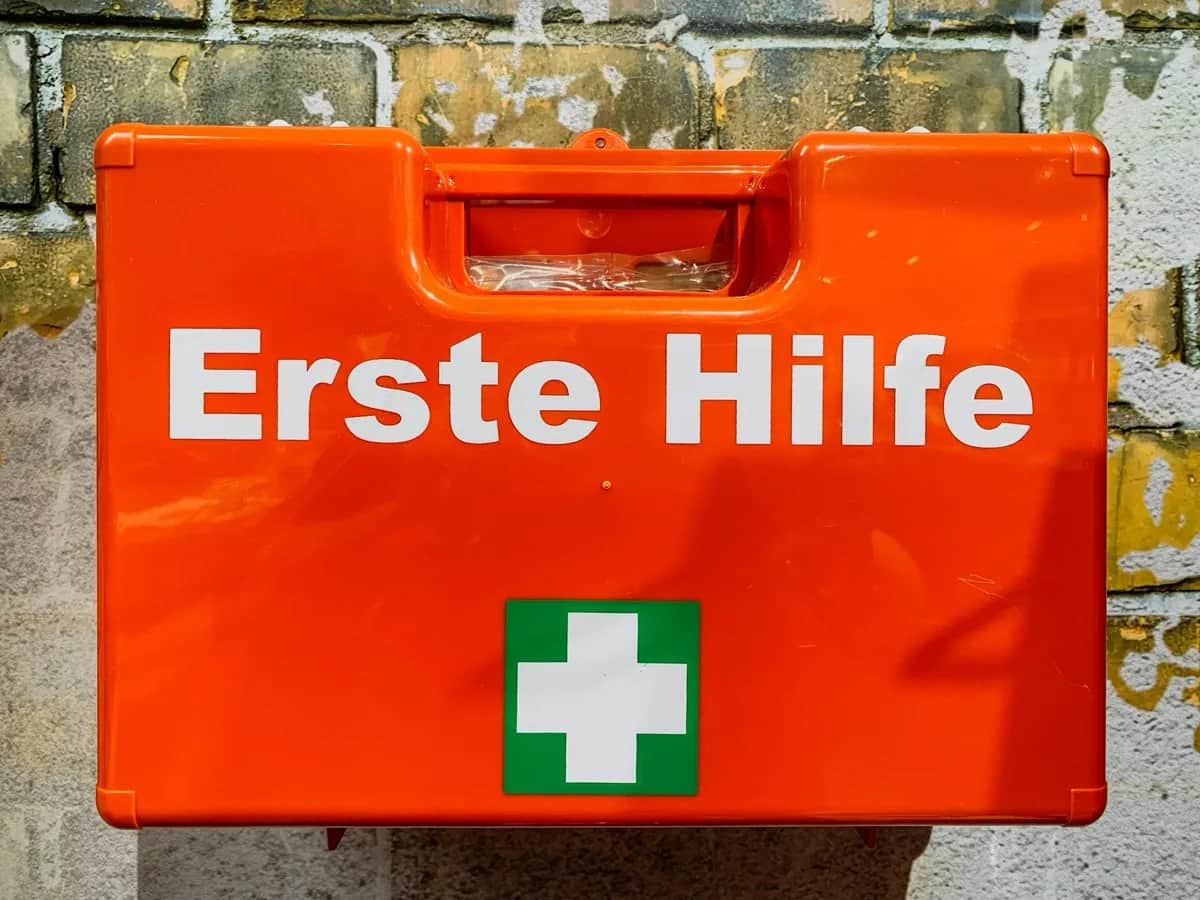
- Basic first aid kit
- Cash reserve
- Emergency plan + neighbor network
Budget: €100-200. Space: 2-3 cubic meters. Execution time: 1-2 months of gradual purchasing.
Recommended Products
As an Amazon Associate we earn from qualifying purchases. Buying through our links supports the development of this app at no extra cost to you.