 Foto: COPPERTIST WU / Pexels
Urban Prepping Checklist: Emergency Preparedness for City Apartments
Complete emergency preparedness checklist for urban apartment dwellers: compact storage, building-specific planning, city-specific threats, and community resources.
Urban Emergency Preparedness is Different
Emergency preparedness in a city apartment presents unique challenges compared to rural or suburban settings:
- Limited storage space
- No private outdoor space for fires or grilling
- High population density creates traffic and resource competition during evacuation
- Apartment buildings have specific emergency procedures
- Greater dependence on urban infrastructure (supermarkets, utilities, transportation)
- But also: more community resources, closer emergency services, and more mutual aid options
This checklist is tailored to the reality of city apartment living.
Section 1: Supplies — Compact Storage Approach
The challenge: Most emergency preparedness guides assume a garage or basement for storage. City apartments have neither.
The solution: Vertical storage, vacuum-sealed packaging, and under-bed storage.
Water (Priority 1)
- 2-liter bottles stored: _____ (target: 4 liters per person per day for 2 weeks)
- Water filter (lightweight, compact: LifeStraw or Sawyer Squeeze)
- Water purification tablets (minimal space, long shelf life)
- Collapsible water containers for larger storage if needed
Urban-specific: Many apartment water towers and building systems fail during power outages. Building-supplied water may stop. This makes water storage critical even in apartments.
Food (2-week supply in compact form)
- Freeze-dried or dehydrated meals (lightweight, space-efficient)
- Calorie-dense foods: nuts, dried fruit, dark chocolate, peanut butter
- Oat packets, rice pouches (require minimal cooking equipment)
- Canned goods (heavier but familiar and widely available)
- No-cook options for if cooking isn't possible
- Manual can opener
- Eating utensils that don't require washing (biodegradable or reusable)
Storage: Under-bed rolling storage bins. Inside suitcases. Top shelf of closets. Back of kitchen cabinets. Vacuum-seal bags reduce volume by 60-70%.
Cooking Without Gas or Electric Stove
- Camp stove with fuel canister (outdoor use only — CO hazard)
- Sterno/fuel tabs for minimal cooking (indoor safer but less powerful)
- Kettle or pot appropriate for camp stove
- Note: in an apartment, cooking alternatives generally must be used on balcony or at street level
Energy and Light
- Power bank (20,000+ mAh) — essential for city dwellers heavily dependent on phones
- Headlamp with extra batteries
- LED lantern (battery or rechargeable)
- Plug-in emergency lights (auto-activate when power fails)
- Solar charger (works on balcony or window)
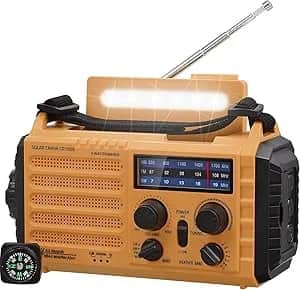
- Battery-powered radio for emergency broadcasts
Section 2: Building-Specific Preparation
Urban apartment dwellers need building-specific preparedness:
- Building emergency procedures reviewed (typically posted in lobby or provided at move-in)
- Building manager/superintendent name and contact stored
- Emergency exit routes from your floor memorized
- Stairwell exit routes located (not just elevator)
- Fire extinguisher location on your floor known
- Mailbox or door labeled with emergency contact number
- Neighbor above, below, and adjacent: emergency contact exchanged
High-rise specific:
- Elevator alternatives known (never use elevator during fire)
- Area of refuge location known (where to go if you can't use stairs)
- Building's emergency generator capacity known (does it power the elevator?)
Section 3: Urban-Specific Threat Preparation
Power Outages
Urban areas experience cascading effects during power outages:
-
Elevators fail
-
Water pressure in high-rise buildings drops (pumps are electric)
-
Supermarket refrigeration fails
-
Streetlights and traffic signals go dark
-
Flashlights in every room
-
Water stored (building water pressure may fail)
-
Non-refrigerated food stocked
-
Plan for accessing upper floors without elevator
Civil Unrest
Cities are more likely than rural areas to experience civil unrest during major crises:
- Decision criteria set for "shelter in place" vs. "evacuate"
- 72-hour stay-in-place supplies on hand
- Reinforcement of apartment door considered (door bar/reinforcement)
- Communication plan for getting news without internet
Evacuation from Dense Urban Area
- Evacuation routes by car mapped (primary and backup)
- Evacuation routes on foot or by bike mapped (if vehicle is unavailable)
- Destination outside city designated (friend, relative, or hotel)
- Estimated travel time under normal conditions vs. emergency conditions noted
- Go-bag packed and accessible
Urban evacuation reality: During a major urban emergency, traffic can be completely gridlocked. Foot evacuation routes (walking 10-20 km out of the city center) may be the only option. Map these in advance.
Section 4: Community Resources
Urban dwellers often have more community resources than rural dwellers:
- Neighborhood emergency management groups identified (NextDoor, local Facebook groups)
- Nearest emergency shelter location known
- Nearest emergency cooling center (for summer heat waves) known
- Community organizations with emergency aid programs identified
- Neighbors with relevant skills identified (medical, construction, etc.)
Building community:
- Consider introducing yourself to neighbors as part of emergency preparedness
- A building where neighbors know each other is significantly more resilient
- Mutual aid networks (sharing supplies, checking on vulnerable residents) emerge naturally from existing relationships
Section 5: Documents and Communication
- Important documents in waterproof bag, ready to grab
- Emergency contact list on paper (don't rely only on phone)
- ID documents copied and stored digitally AND in physical emergency kit
- Insurance information accessible (renter's insurance for apartment losses)
- Phone numbers of building management stored
- Local government emergency information sources bookmarked
Monthly Maintenance (15 minutes)
- Check power bank charge level (charge if below 50%)
- Check water storage (any bottles expired or leaking?)
- Check batteries in headlamps and radio
Annual Review (2 hours)
- Rotate food supplies (use oldest, replace)
- Update emergency contact information
- Review building emergency procedures (updates may have occurred)
- Update evacuation routes (construction may have changed road layouts)
Urban emergency preparedness doesn't require a garage, a rural property, or a huge budget. It requires thoughtful adaptation of general preparedness principles to your specific situation. A city apartment dweller with a compact, well-planned kit is far more prepared than a suburban homeowner with a vague intention to "get ready someday."
Recommended Products
As an Amazon Associate we earn from qualifying purchases. Buying through our links supports the development of this app at no extra cost to you.