 Foto: Engin Akyurt / Pexels
Crisis Preparedness for Seniors: A Complete Age-Appropriate Guide
How older adults can prepare for emergencies: medication management, mobility considerations, social networks, and customized supply planning for seniors.
Why Seniors Need a Tailored Emergency Plan
Emergency preparedness advice is often written for fit, mobile adults in their 30s or 40s. But older adults face distinct challenges in emergencies: more complex medical needs, potential mobility limitations, greater vulnerability to temperature extremes, and sometimes social isolation that makes emergency communication harder.
The good news: with targeted preparation, older adults can be among the best-prepared members of any community. Experience, resources, and established social networks are genuine assets. This guide translates general emergency preparedness into age-appropriate, realistic action.
Understanding Age-Related Vulnerabilities
Medical complexity:
- Multiple medications with specific storage and dosing requirements
- Chronic conditions (heart disease, diabetes, COPD) that worsen without proper management
- Higher sensitivity to temperature extremes (hypothermia and heat exhaustion occur faster)
- Greater vulnerability to dehydration
Mobility and physical capacity:
- Evacuation requires more time and may require assistance
- Lifting and carrying heavy supplies may not be feasible
- Stairs and uneven terrain present greater challenges
- Recovery from physical exertion takes longer
Social factors:
- Those living alone may not have immediate notification of danger
- Less familiarity with digital communication tools
- Potentially reduced hearing or vision affecting emergency alert reception
Step 1: Medication Management
This is often the most critical preparedness factor for older adults.
Inventory your medications:
- List all medications, dosages, prescribing doctors, and refill dates
- Note storage requirements (room temperature, refrigeration, light-sensitive)
- Note what happens if a dose is missed or delayed (some medications are critical within hours)
Emergency supply:
- Aim for a 30-day supply of all regular medications
- Talk to your doctor about emergency prescriptions or dispensing policies
- Discuss substitutions: if your specific medication is unavailable, what is the closest alternative?
- Some specialty medications (insulin, certain heart medications) are critical and require cold storage — plan for this specifically
Cold storage backup:
- Insulin and many biologics require refrigeration
- Plan for how to maintain cold chain during a power outage
- Insulated medication cooler + ice packs can maintain temperature for 24-48 hours
- Know the nearest pharmacy open during extended emergencies
Document everything:
- Medication list in wallet (as laminated card)
- Medication list in emergency document kit
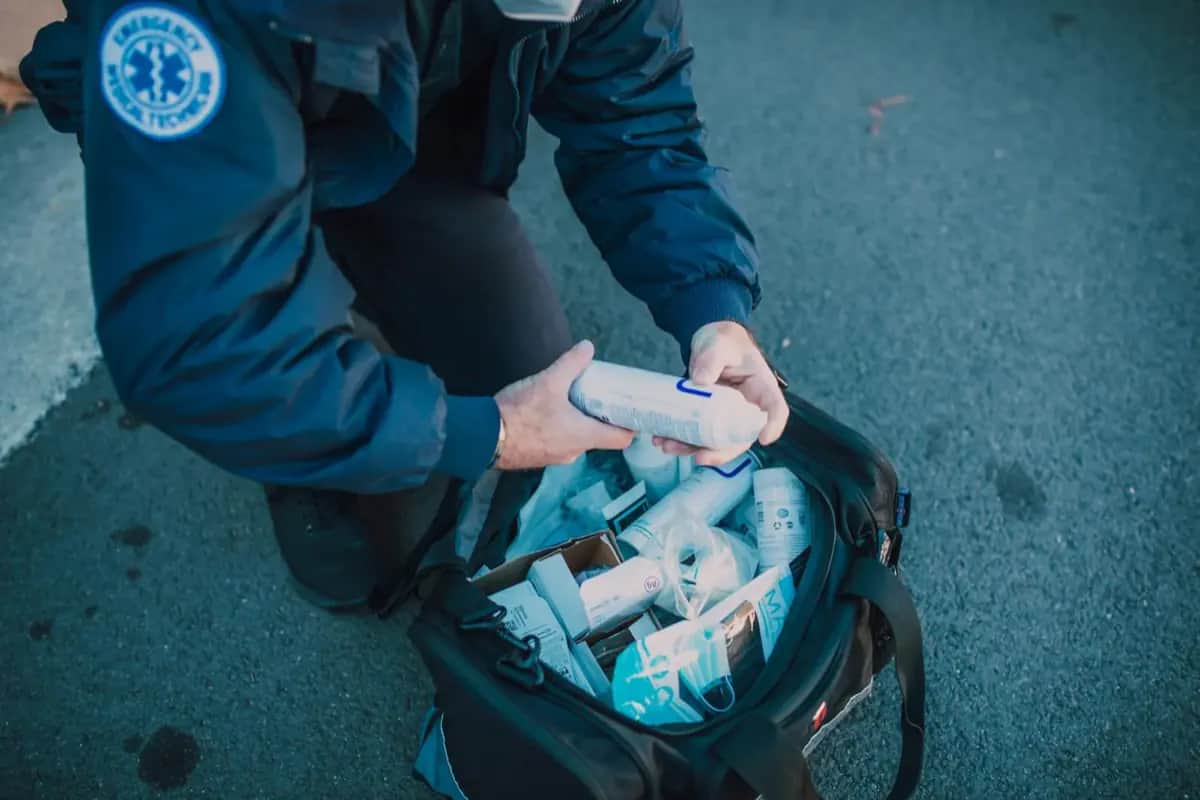
- Medical summary for emergency responders (conditions, medications, allergies, blood type)
Step 2: Customized Emergency Supplies
Standard emergency kits assume physical capability. Customize yours:
Food:
- Prioritize easy-to-prepare foods (no cooking required, or very simple)
- Consider dietary restrictions: low-sodium, diabetic-appropriate, easy to swallow
- Manual can opener (essential if electric isn't available)
- Weight consideration: heavy containers may not be manageable alone
Water:
- Lifting large water containers may be difficult
- Use multiple smaller containers rather than one large container
- Portable water filter (lighter option for water provision)
- Calculate hydration needs — older adults are at higher risk of dehydration
Medical and mobility:
- Extra batteries for hearing aids
- Extra glasses or backup prescription stored
- Mobility aids (cane, walker) labeled with your name and contact info
- Medications as detailed above
Communication:
- Large-button phone or landline as backup (cellular towers fail during large outages)
- Battery-powered or hand-crank radio for emergency broadcasts
- Medical alert device (like Life Alert) if applicable — know its battery life and backup options
Step 3: Build Your Support Network
Social isolation is a major risk factor. A strong preparedness network dramatically improves outcomes.
Identify your emergency contacts:
- Primary: Family member (ideally within an hour's travel)
- Secondary: Neighbor who can check on you
- Tertiary: Friend, church community, or community organization
Create a mutual assistance arrangement:
- Agree with a neighbor to check on each other if communication goes down
- Share keys (both directions) for emergency access
- Provide neighbor with your emergency contact list and basic medical information
Community resources:
- Register with local emergency management as a person who may need assistance
- Many municipalities maintain lists of vulnerable residents for priority outreach
- Know what senior services in your area offer during emergencies
- If you live in an apartment building, know the building manager and maintenance contact
Step 4: Evacuation Planning for Limited Mobility
Evacuation may be slower and require assistance. Plan for this explicitly:
Assessment:
- Honestly assess your evacuation capability: Can you leave in 15 minutes? 30? 60?
- What do you need to evacuate safely? Assistance, specific transportation, elevator?
Designated evacuation assistant:
- Identify at least one person who has explicitly agreed to help you evacuate if needed
- Ensure they have your contact, your address, and know the arrangement
- Consider your building's evacuation procedures if you live in an apartment
Transportation:
- If you drive: vehicle is fueled (keep above half tank), maintained, and accessible
- If you don't drive: designated driver identified; know local evacuation transport resources
- Go-bag weight: realistic for your physical capacity (don't overpack what you can't carry)
Medications for evacuation:
- Pre-packed medication case ready to grab (pre-dosed pill organizer for 7 days)
- Cold-storage medications: insulated bag with ice packs in refrigerator, ready to grab quickly
Step 5: Home Safety for Extended Crises
Temperature management:
- Know how to safely use alternative heating sources
- Have several layers of warm clothing accessible
- Know signs of hypothermia (shivering stops, confusion, drowsiness) — often more insidious in older adults
- Know signs of heat exhaustion — older adults don't sweat as efficiently
Preventing falls:
- During a power outage, familiar spaces become dangerous in the dark
- Headlamp or flashlight in every room (or plug-in emergency lights)
- Know where every obstacle is in your home
- Don't move furniture — familiar layouts prevent falls when navigating in low light
Regular Review and Updates
Emergency preparedness for seniors should be reviewed more frequently:
Every 6 months:
- Update medication list (medications change more frequently for older adults)
- Check medication supplies
- Update emergency contacts if anything has changed
Every year:
- Full review with family or trusted contact
- Update medical information
- Renew contact with community resources
Involving family in this review also ensures that loved ones know your plan, your medical situation, and your needs — critical information if they need to advocate for you during an emergency.
Recommended Products
As an Amazon Associate we earn from qualifying purchases. Buying through our links supports the development of this app at no extra cost to you.