 Foto: Karyme França / Pexels
6 Food Allergy Crisis Preparedness Mistakes That Could Be Dangerous
The 6 most dangerous emergency preparedness mistakes people with food allergies and intolerances make — and how to avoid them.
The Hidden Danger in Generic Emergency Advice
Standard emergency food advice — "stock up on canned goods and energy bars" — is well-intentioned but potentially dangerous for people with food allergies. Following generic advice without allergy-specific adaptation can result in an emergency kit full of foods that will cause a reaction.
These 6 mistakes are the most common and consequential errors made by allergy sufferers in emergency preparedness.
Mistake 1: Using Generic Emergency Foods Without Label Verification
The pattern: People purchase "emergency food kits" or "survival rations" sold as general products without carefully checking ingredients against their specific allergen profile.
Why this is dangerous:
- Commercial emergency food kits typically contain multiple common allergens
- Protein bars and energy bars frequently contain peanuts, tree nuts, soy, dairy, and wheat
- "Freeze-dried meal kits" often contain soy protein, wheat, and dairy
- Even seemingly simple products like bouillon cubes and flavor packets often contain multiple allergens
The fix:
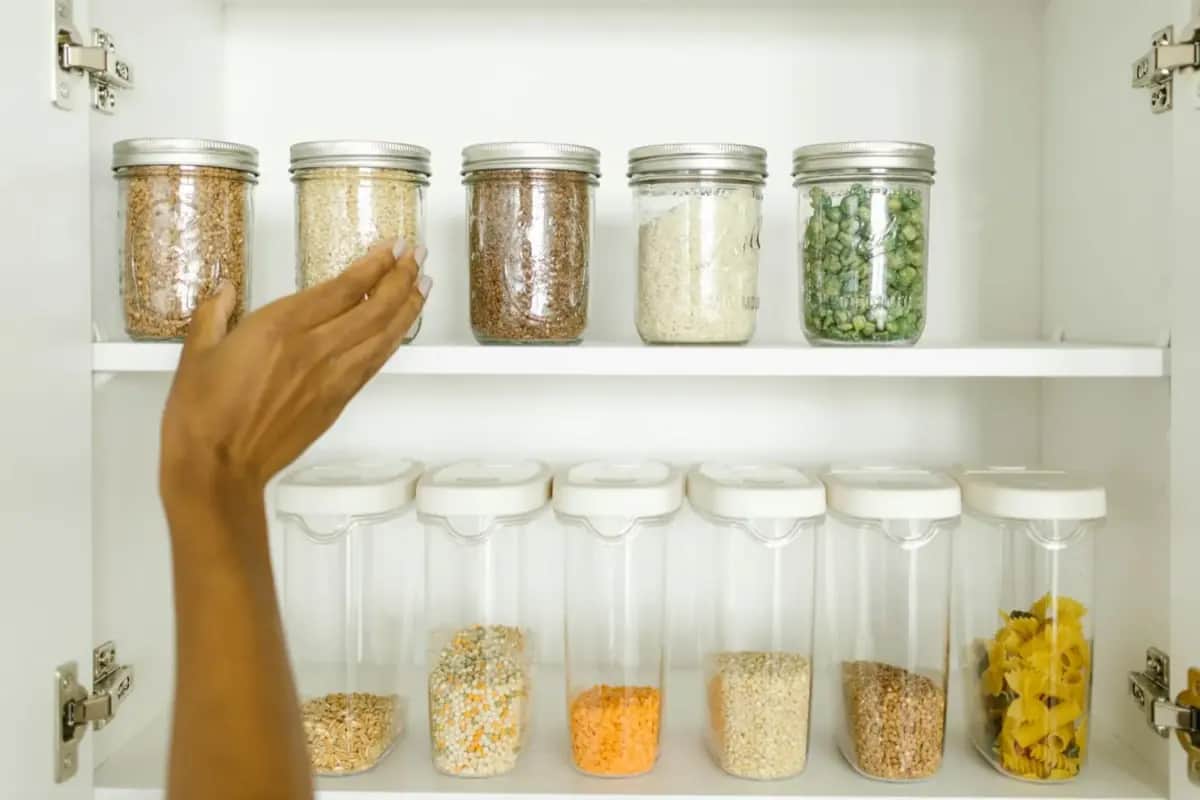
- Read every label of every item in your emergency food supply
- Never assume "looks safe" without reading
- Verify ingredients, not just the front-of-package marketing
- Re-read labels on any product before restocking — formulations change without notice
Mistake 2: Keeping Only One Epinephrine Auto-Injector
The pattern: People with anaphylactic allergies have one EpiPen, often carried daily but not in their emergency kit. During an emergency when their regular bag is unavailable, they have no epinephrine.
Why this is dangerous:
- Second doses of epinephrine are often required while waiting for emergency services
- During emergencies, you may be separated from your regular daily bag
- Expired epinephrine is significantly less effective (though better than nothing)
The fix:
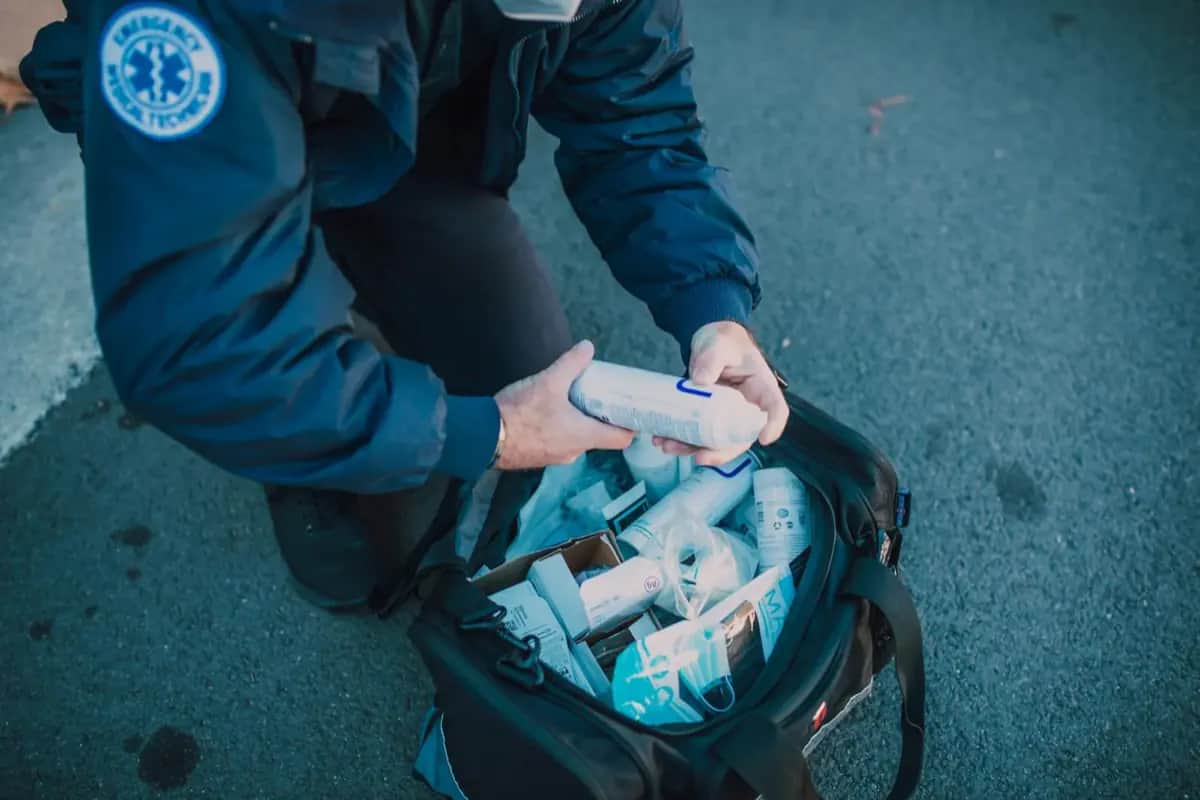
- Two functional (not expired) epinephrine auto-injectors in your emergency kit
- Check expiration dates every 6 months
- Second auto-injector also in your go-bag
Talk to your doctor: If you're not currently prescribed two auto-injectors, discuss emergency preparedness with your allergist. Most will prescribe a second auto-injector for emergency kit purposes.
Mistake 3: Relying on "May Contain" Information Not Being Updated
The pattern: People identify a product as safe based on a label from six months ago. They don't re-check when restocking. The manufacturer has changed the formulation, or the "processed in a facility with" warning has changed.
Why this is dangerous:
- Food formulations change regularly — new cost pressures, new suppliers, new manufacturing contracts
- A product that was safe last year may not be safe this year
- Recalls and formulation changes often don't generate consumer awareness
The fix:
- Check labels on every purchase — not just the first time
- Set a calendar reminder to audit emergency food labels every 6 months
- Follow the manufacturer or relevant allergy organizations for formulation change notifications
Mistake 4: No Written Allergy Information for Emergency Responders
The pattern: In a severe allergic reaction, the person may be unable to communicate. Emergency responders administering treatment without knowing about allergies can inadvertently cause additional harm.
Why this is dangerous:
- IV medications may contain ingredients that cross-react with food allergens
- Certain preservatives and excipients in medications can trigger reactions in sensitized individuals
- "Unknown patient allergy" causes emergency physicians to follow different (and potentially problematic) protocols
The fix:
- Medical alert bracelet or necklace listing life-threatening allergies — worn at all times
- Phone lock screen with allergy information
- Emergency contact card in wallet with allergy information and emergency action plan
- Inform primary emergency contact of your allergy information and where your epinephrine is stored
Mistake 5: No Alternative Plan for Cross-Contaminated Emergency Shelter Food
The pattern: During a major emergency requiring evacuation to a community shelter, people with severe allergies arrive with no food and discover the shelter's donated food is full of their allergens.
Why this is dangerous:
- Community shelter food is often donated — origin and allergen content is uncontrolled
- When hungry and under stress, the temptation to "try just a little" becomes strong
- Institutional kitchens with no allergen protocols present severe cross-contamination risk
The fix:
- Your go-bag must include a minimum 3-day supply of safe food
- Don't rely on shelter food as a primary source
- Research shelter food policies in advance if possible
- Carry a written explanation of your dietary requirements to share with shelter staff
- Most shelters will make reasonable accommodations if properly informed
Mistake 6: Treating Intolerance and Allergy as the Same Category
The pattern: People with food intolerances (lactose, most gluten sensitivity) apply the same strict avoidance protocols as those with life-threatening allergies — resulting in unnecessarily restrictive and harder-to-maintain emergency supplies. Or vice versa: people with celiac disease or anaphylactic allergies treat their condition as a mere intolerance and apply insufficient precautions.
Why the distinction matters:
| Condition | Reaction Type | Emergency Risk Level |
|---|---|---|
| Anaphylactic allergy (peanut, shellfish, etc.) | Life-threatening | Extreme — zero tolerance |
| Celiac disease | Serious immune/GI damage | High — requires strict avoidance |
| Non-celiac gluten sensitivity | GI discomfort | Moderate — minimize but not zero tolerance |
| Lactose intolerance | GI discomfort | Lower — manageable with enzyme supplements |
The fix:
- Know your specific condition and its actual medical consequences
- Calibrate your preparedness accordingly
- For life-threatening allergies and celiac: zero tolerance in emergency food supply
- For intolerances: minimize but don't treat as identical to anaphylactic risk
- When in doubt: consult with your allergist or gastroenterologist about emergency preparedness specifically
A Simple Self-Check
Answer these four questions. If the answer to any is "no," that's your starting point:
- Have I read the current label on every item in my emergency food supply?
- Do I have at least two functional epinephrine auto-injectors in my emergency kit (if anaphylactic)?
- Does my primary emergency contact know about my allergy and where my medications are?
- Does my go-bag contain enough safe food for at least 3 days?
Food allergy emergency preparedness requires extra attention to detail — but the core principle is simple: know your allergens, source food you've verified, and ensure your medications are accessible and unexpired. That foundation prevents the most serious risks.
Recommended Products
As an Amazon Associate we earn from qualifying purchases. Buying through our links supports the development of this app at no extra cost to you.