 Foto: RDNE Stock project / Pexels
Emergency Preparedness with Allergies: Complete Guide for Special Dietary Needs
How to build an emergency food supply with allergies and food intolerances: safe foods, medication management, label reading, and cross-contamination prevention.
Why Allergies and Food Intolerances Make Emergency Preparedness Harder
For the estimated 2-5% of adults with serious food allergies and the much larger number with food intolerances (lactose, gluten, etc.), standard emergency food advice is inadequate or dangerous.
During an emergency, the normal safety nets — restaurant servers who know your allergy, familiar product labels, the ability to cook from scratch — disappear. Pre-packaged emergency foods often contain common allergens. Supply shortages may force reliance on unfamiliar foods. Medical care for allergic reactions may be inaccessible.
This guide provides a comprehensive framework for emergency preparedness with food allergies and intolerances.
Understanding Your Risk Level
Not all food reactions require the same level of preparation:
Life-threatening anaphylaxis (immediate danger):
- Peanut allergy, tree nut allergy, shellfish allergy, and others that cause anaphylaxis
- Requires epinephrine auto-injectors (EpiPens) in emergency kit
- Must be completely zero-tolerance in emergency food selection
- Requires specific emergency medical plan
Severe allergic reactions (significant discomfort, potentially serious):
- Hives, vomiting, moderate respiratory symptoms
- Requires antihistamines in emergency kit
- Should be avoided but not always immediately life-threatening
Food intolerances (uncomfortable but not immediately dangerous):
- Lactose intolerance, gluten sensitivity (without celiac disease)
- Causes gastrointestinal symptoms
- Can be managed with lower quantities and better choices
Celiac disease (serious, non-anaphylactic but causes significant harm):
- Gluten triggers immune response that damages the intestine
- Long-term gluten exposure causes serious health consequences
- Zero-tolerance approach required
Building Your Allergy-Safe Emergency Food Supply
Step 1: List Your Safe Foods
Create a written list of foods you know are safe. This sounds obvious but most people rely on memory — which fails under stress.
Include:
- Specific products by brand name and product variant (formulations change)
- Whole foods that are inherently safe (plain rice, plain oats if no grain sensitivity, etc.)
- Foods you eat regularly and know from experience
Step 2: Calculate Your 2-Week Supply
General formula:
- Calculate daily caloric need: approximately 2,000 calories/day for adults
- Your specific safe foods to provide those calories
- Variety matters for palatability over multiple days
Allergen-specific safe food bases:
Peanut/tree nut free:
- Sunflower seed butter (peanut butter alternative)
- Pumpkin seeds, sunflower seeds
- Hemp seeds
- Verified safe oats, rice, quinoa
Gluten free (celiac):
- Rice, rice noodles
- Certified gluten-free oats
- Corn products (plain)
- Quinoa, buckwheat, millet
- Canned beans and legumes
- Plain canned fish, meat
- Note: Read every label — "natural flavors" and "modified food starch" may contain gluten
Dairy free:
- Plant-based milk alternatives (oat milk, coconut milk — check for other allergens)
- Dairy-free protein sources: legumes, seeds, canned fish
- Coconut oil or olive oil instead of butter
Multiple allergies:
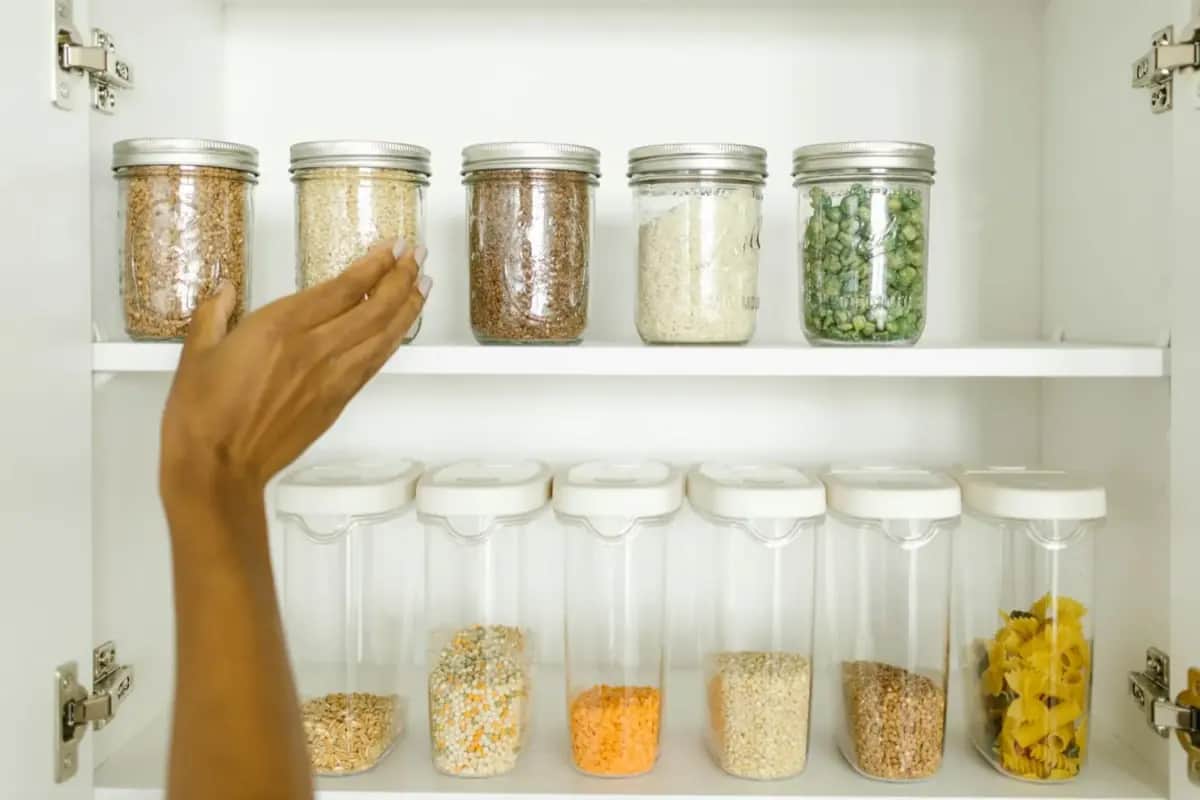
- Whole foods are safer than processed: plain rice, plain dried legumes, plain canned protein
- Fewer ingredients = fewer opportunities for allergen exposure
- Certified free-from products from companies that specialize in allergen-free manufacturing
Step 3: Verify Labels and Manufacturing
For products in your emergency supply:
- Read labels each time you purchase (formulations change without notice)
- Look for "may contain" warnings — during supply shortages, these risks become more relevant
- Prefer certified products from dedicated allergen-free manufacturers when possible
- Avoid bulk bins (cross-contamination risk)
Step 4: Calculate and Store Medications
Epinephrine (EpiPen / Jext / Emerade):
- Two auto-injectors minimum in emergency kit (second dose may be needed while waiting for ambulance)
- Check expiration dates every 6 months
- Store as directed (don't freeze; some can be stored at room temperature up to 25-30°C)
- Know how to use them — practice with training pens
Antihistamines:
- Oral antihistamines (cetirizine, loratadine) for moderate reactions
- Minimum 2-week supply
- Oral steroids (if prescribed by your doctor for severe reactions)
Emergency action plan:
- Written emergency action plan from your allergist
- Copy in your wallet
- Copy in your emergency kit
- Communicated to emergency contacts
Cross-Contamination Prevention in Crisis Conditions
During emergencies, normal kitchen practices may be disrupted:
Highest risk scenarios:
- Sharing cooking equipment with others at emergency shelters
- Eating unfamiliar foods donated by others
- Processing or preparing food in unfamiliar environments
Practical rules:
- Eat only foods you've verified as safe — don't assume
- At emergency shelters: inquire specifically about food preparation; bring your own food if possible
- Your own dedicated cooking equipment (pot, utensils) minimizes cross-contamination
- Don't share food preparation surfaces without thorough cleaning
Emergency Communication for Allergic Reactions
Medical alert identification:
- Medical alert bracelet or necklace indicating life-threatening allergies
- Emergency action plan in wallet (including how to administer epinephrine)
- Digital emergency note on phone lock screen: "SEVERE [ALLERGEN] ALLERGY — EpiPen in [location]"
For children:
- Schools should have emergency action plan
- Class teachers and school nurse briefed
- EpiPen stored in accessible location (not locked away)
- ID card in backpack with allergy information and emergency contacts
Informing emergency responders:
- Mention allergies immediately when calling emergency services
- Pre-designate family members who can communicate your allergy information if you're unable
Checklist: Emergency Kit for Allergy Sufferers
- 2-week safe food supply stored and verified
- 2 epinephrine auto-injectors (not expired)
- Written emergency action plan from allergist
- Oral antihistamines (2-week supply)
- Medical alert ID (bracelet, card, or phone lock screen)
- Emergency contact list includes allergy information
- Separate cooking equipment for emergency kit (pot, utensils, plates)
- All emergency food items labeled and verified safe
- Medications stored at proper temperature
Living with food allergies requires more careful emergency planning but it's absolutely achievable. The key is specificity: generic "emergency food" won't work for you — your emergency food supply must be built from foods you personally know are safe for your specific situation.
Recommended Products
As an Amazon Associate we earn from qualifying purchases. Buying through our links supports the development of this app at no extra cost to you.