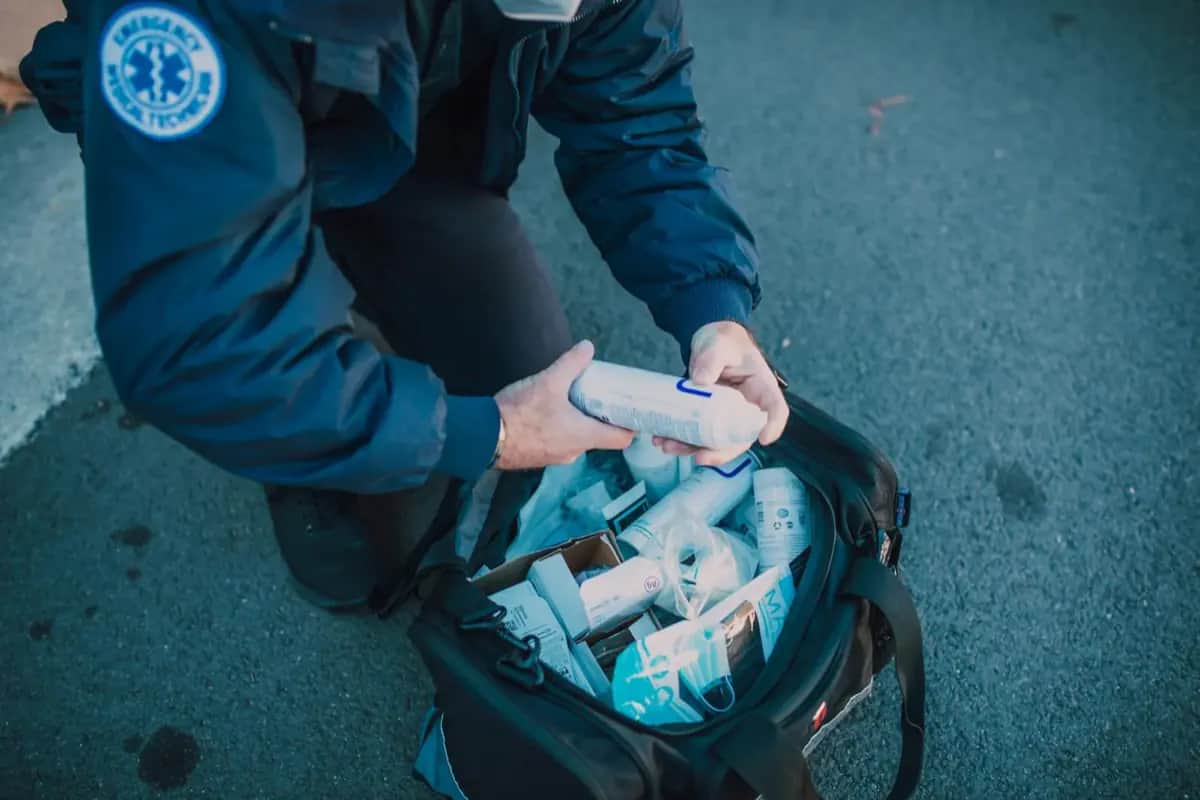
 Foto: RDNE Stock project / Pexels
5 Lighting Mistakes During a Crisis: Stay Safe in the Dark
The 5 most dangerous lighting mistakes during power outages and emergencies — and the correct alternatives that keep you safe and visible.
Why Lighting is a Safety-Critical Emergency Need
When the power goes out, lighting isn't just about convenience — it's about safety. Falls, burns, carbon monoxide poisoning, and fire are all more common during power outages, and poor lighting choices directly cause many of these incidents.
The good news: safe emergency lighting is inexpensive and simple to prepare. The bad news: most households make at least one of these five critical mistakes.
Mistake 1: Relying on Candles as Primary Light Source
The problem: Candles cause approximately 20,000 house fires per year in the US alone. During emergencies, when evacuation pathways may be blocked and fire response is delayed, even a small candle fire can become catastrophic.
Additional risks:
- Open flames near flammable materials (curtains, papers)
- Children and pets knocking candles over
- Carbon monoxide buildup in poorly ventilated spaces
- Burns from hot wax
The safer alternative: LED candles with flickering effect and battery-powered LED lanterns provide candle-quality ambiance with zero fire risk. LED lanterns have improved dramatically — modern ones provide excellent light for 100+ hours on a few batteries.
If you do use candles: Never leave unattended, keep at least 30 cm from all flammable materials, use sturdy candle holders that won't tip, and have a fire extinguisher accessible.
Mistake 2: Not Having Enough Battery-Powered Lights
The problem: A single flashlight per household is insufficient for multi-day outages. When you need hands-free lighting for cooking, finding a bathroom in the middle of the night, or reading to children, a single flashlight in one person's hand doesn't cover the household.
The fix: Plan for distributed lighting:
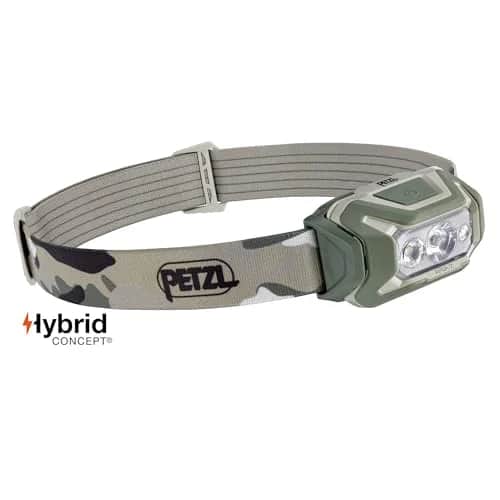
- Headlamps: One per person. Hands-free, go anywhere you go.
- LED lanterns: 1-2 for common areas (kitchen, living area)
- Plug-in rechargeable night lights with battery backup: These charge automatically when power is on and turn on automatically when power fails — no action required.
Battery planning:
- Alkaline batteries: 1-2 year shelf life; stock extras in sealed bags
- Rechargeable batteries + solar charger: sustainable for extended outages
- Check batteries every 6 months
Mistake 3: Using Gas Lamps Indoors
The problem: Propane or white gas lanterns produce carbon monoxide. In enclosed spaces, CO levels can rise to lethal concentrations within minutes.
Carbon monoxide is odorless and colorless. The first symptoms (headache, dizziness, nausea) are easy to attribute to other causes. Many CO poisoning deaths happen during power outages from exactly this mistake.
The rule: Gas lanterns, gas heaters, and gas-powered generators are for OUTDOOR use only. Full stop.
The indoor alternative: Battery-powered LED lanterns provide equivalent or better light without any combustion risk. A good LED lantern costs €15-30 and provides 100+ hours of light.
Mistake 4: No Consistent Storage Location
The problem: When the power fails at 2 AM, you shouldn't be searching blindly for a flashlight. But most people have flashlights scattered around the house, batteries in a separate drawer, and can't find either in the dark.
The fix — the "emergency light station" approach:
Designate one consistent location per floor for emergency lighting:
- Primary flashlight or headlamp
- Extra batteries (tested)
- Small LED lantern
Everyone in the household knows exactly where these are. You can find them in complete darkness.
Additional placement:
- Bedside: headlamp within arm's reach of every bed
- Car: flashlight in glove compartment
- Go-bag: headlamp packed
Helpful product: Plug-in rechargeable LED nightlights that also function as emergency torches — they're always plugged in, always charged, and always exactly where you expect them.
Mistake 5: Neglecting to Signal Your Location in an Emergency
The problem: If you're injured, trapped, or need rescue during an emergency, lighting serves a crucial signaling function. Most people don't think about this until it's too late.
Signaling tools:
- Whistle + flashlight: Standard rescue signaling combination
- Flashing mode: Most emergency flashlights have a strobe mode for signaling rescuers
- Glow sticks: 12-hour chemical light sticks don't require batteries and can mark your location
Reflective materials: Reflective tape on your go-bag, emergency blanket (highly reflective metallic surface), and reflective vest make you visible to rescuers at night.
Emergency Lighting Checklist
Use this to evaluate your current preparedness:
- Headlamp for every household member (with fresh batteries)
- 2+ LED lanterns for common areas
- Plug-in emergency lights that activate automatically during power failure
- No gas lanterns designated for indoor use
- Consistent storage location everyone knows
- Backup batteries stored and rotated regularly
- Signaling device (flashlight with strobe + whistle) in go-bag
- Glow sticks (1-2 packs, 12-hour duration)
Emergency lighting preparation is one of the easiest and cheapest aspects of crisis preparedness. A €30-50 investment provides years of reliable backup lighting — and the peace of mind that comes from knowing exactly where to reach in the dark.
Recommended Products
As an Amazon Associate we earn from qualifying purchases. Buying through our links supports the development of this app at no extra cost to you.