 Foto: Magaly Taboada / Pexels
Senior Emergency Preparedness Checklist: What Older Adults Need
Complete emergency preparedness checklist for seniors and older adults: medications, mobility aids, communication tools, and support network planning.
How to Use This Checklist
This checklist is designed specifically for adults 65+ or those with medical complexity, limited mobility, or other factors that make standard emergency preparedness advice insufficient. Work through each section with a family member or trusted friend if possible.
Items are marked by priority. Complete Priority 1 items before moving to Priority 2.
Priority 1: Medical Preparedness (Do This Week)
Medication Management
- Complete medication list written down including:
- Medication name (generic and brand)
- Dosage and schedule
- Prescribing doctor
- Pharmacy name and phone
- What happens if a dose is missed
- Refill date
- Medication list laminated and in wallet
- Copy of medication list in emergency document kit
- 30-day emergency supply of all regular medications
- Cold-storage medications identified: _________
- Plan for maintaining cold chain during power outage (insulated bag + ice packs)
- Discussion with doctor about emergency substitution options completed
Medical Information Summary
- Medical conditions list written down
- Blood type recorded
- Allergy list written (medications and food)
- Primary care physician contact
- Specialist contacts for ongoing conditions
- Health insurance card and policy number accessible
- Medicare/Medicaid information (if applicable) accessible
Medical Equipment
- Backup batteries for hearing aids (2-month supply)
- Backup or extra glasses stored
- Supplies for any medical devices (CPAP, nebulizer, etc.)
- Battery backup or manual alternative for electrically powered medical equipment
- Contact lens supplies or spare glasses if needed
Priority 1: Emergency Contact Network
- Primary emergency contact designated (family member): _________
- This person has your current address and phone number
- This person has access to your emergency information
- This person knows your medical situation
- Secondary contact (neighbor): _________
- Neighbor has your key and basic medical information
- Mutual check-in arrangement with neighbor established
- Tertiary contact (community/organization): _________
Priority 2: Communication Tools (Complete This Month)
- Phone numbers written on paper (not just stored in phone)
- Battery-powered or hand-crank radio for emergency broadcasts
- Extra batteries for radio
- Large-button phone or landline as backup to smartphone
- Medical alert device battery life known (if applicable)
- Medical alert service notified of emergency contact preferences
- Emergency services number memorized: 112 (EU) / 911 (US) / 999 (UK)
Priority 2: Customized Emergency Supplies
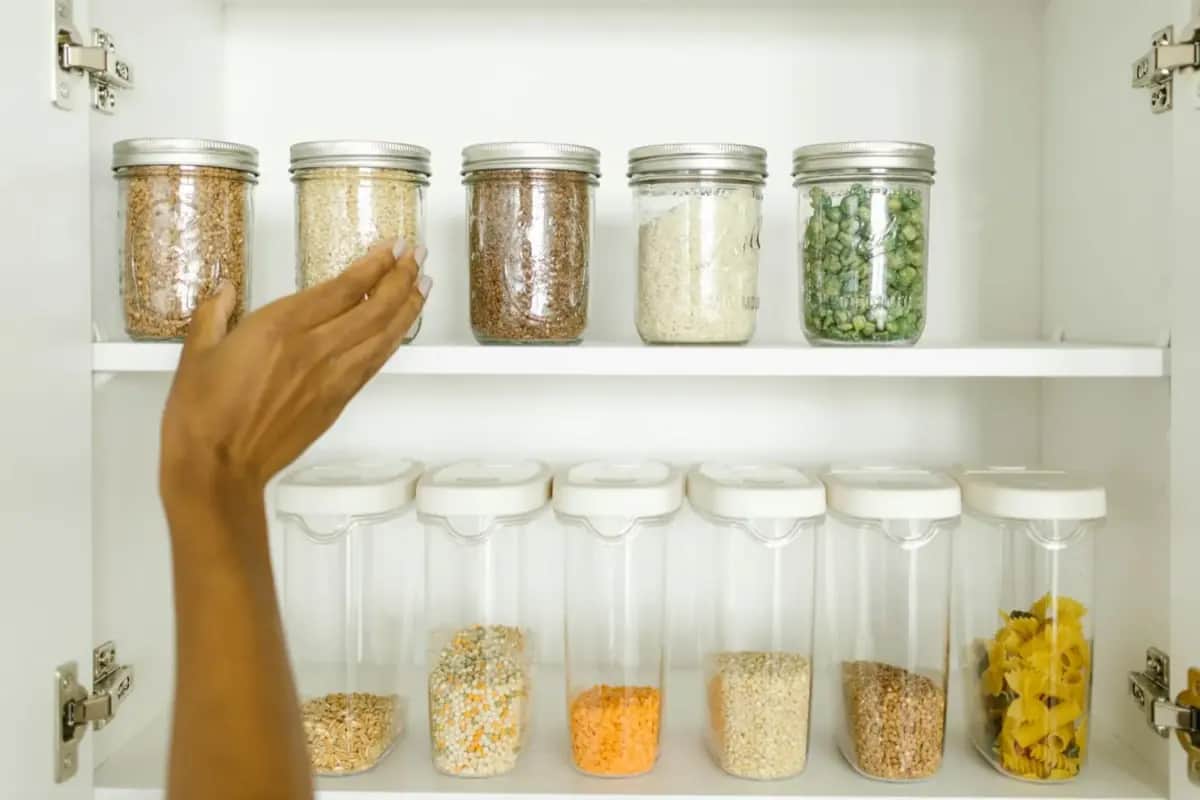
Food (2-week supply)
- Easy-to-prepare foods (no cooking required, or minimal cooking)
- Dietary restrictions accommodated (low-sodium, diabetic-appropriate, etc.)
- Foods you can actually eat (texture, swallowing)
- Manual can opener included
- Smaller, lighter containers used where possible
2-week food checklist tailored for seniors:
- Canned soups (easy to heat or eat cold)
- Crackers and peanut butter
- Canned fruit in juice (no sugar added if diabetic)
- Instant oatmeal or porridge
- Nuts (energy-dense, no cooking)
- Dried fruit (light, calorie-dense)
- Canned or dried beans
- Ready-to-eat individual portions
Water
- 2-week water supply calculated (minimum 2 liters/day for drinking + cooking)
- Containers are a manageable weight individually
- Water purification tablets as backup
- Portable water filter (lighter than carrying large quantities)
Comfort and Thermal Management
- Warm clothing layers accessible (not only in seasonal storage)
- Extra blankets
- Hot water bottle (manual warmth option without electricity)
- Small battery-powered fan for heat emergencies
- Emergency reflective blanket (retains body heat)
Priority 2: Home Safety Preparation
- Headlamp or flashlight accessible from bed without standing
- Plug-in emergency lights installed (charge automatically, turn on when power fails)
- Path from bed to bathroom and exit marked with glow tape or known by memory
- Night light with battery backup in bathroom
- Any tripping hazards in emergency navigation path removed
- Smoke detector and CO detector batteries current (test monthly)
Priority 3: Evacuation Planning
- Honest assessment of evacuation capability completed:
- Time to evacuate: _________ minutes
- Physical assistance required: Yes / No
- Special transport requirements: _________
- Evacuation assistant designated: _________
- Assistant has agreed and has your contact information
- Go-bag weight assessed (realistic for your physical capacity)
- Transportation plan: drive yourself / designated driver / public evacuation
- Medications ready to grab quickly (pre-packed organizer)
- Cold-storage medications: insulated bag in refrigerator, ready to grab
- Two evacuation routes from home practiced
If You Live in an Apartment/Multi-Story Building
- Building manager contact stored
- Elevator alternative if elevator fails during power outage
- Evacuation assistance from building management discussed
- Neighbors on your floor who can assist identified
Priority 3: Community Resources
- Registered with local emergency management as person needing assistance
- Senior services center or community center contact known
- Any transportation assistance programs in your area identified
- Local faith community emergency network (if applicable) known
- Meals on Wheels or similar service contact (if applicable)
Maintenance Schedule
Monthly:
- Check medication supplies (approaching expiration?)
- Test battery-powered devices (radio, emergency lights, hearing aid backup batteries)
- Check in with emergency contacts (confirm contact info still current)
Every 6 months:
- Update medication list (medications change frequently for older adults)
- Rotate food and water supplies
- Review and update emergency contact list
- Update medical information if conditions have changed
Annually:
- Full checklist review with family member or trusted friend
- Medical summary update
- Review community resource contacts
- Practice evacuation procedure
Completing This With Family
This checklist is most valuable when completed alongside a trusted family member or friend. Consider:
- Sharing a copy of your completed checklist with your primary emergency contact
- Ensuring your primary contact knows where your emergency supplies and documents are
- Walking through your home together so they can help you if needed during an emergency
A completed, regularly-reviewed emergency plan provides genuine peace of mind — and genuine safety. The goal isn't to worry more; it's to worry less because you're genuinely prepared.
Recommended Products
As an Amazon Associate we earn from qualifying purchases. Buying through our links supports the development of this app at no extra cost to you.