 Foto: Jan Bouken / Pexels
Restocking Your Home Medicine Cabinet for Crisis Preparedness
How to build a comprehensive home medicine cabinet for emergencies. What medications, supplies, and first aid equipment you actually need — and what's a waste of money.
Why Your Medicine Cabinet Is Probably Underprepared
Most household medicine cabinets contain a few bandages, some expired ibuprofen, and a half-empty bottle of cough syrup. In a normal week, that's fine. In a crisis — when pharmacies close, supply chains break down, or you simply can't leave your home — it's dangerously inadequate.
This guide shows you what to actually stock, what to prioritize, and what's overrated.
Tier 1: Absolute Essentials (Stock These First)
Pain and Fever Relief
- Ibuprofen (200mg tablets): Anti-inflammatory, fever reducer, pain reliever. Stock 200+ tablets.
- Paracetamol/Acetaminophen: Alternative if ibuprofen is contraindicated. Stock 100+ tablets.
- Aspirin (if no contraindications): For cardiac emergencies (chew 300mg immediately if heart attack suspected).
Wound Care
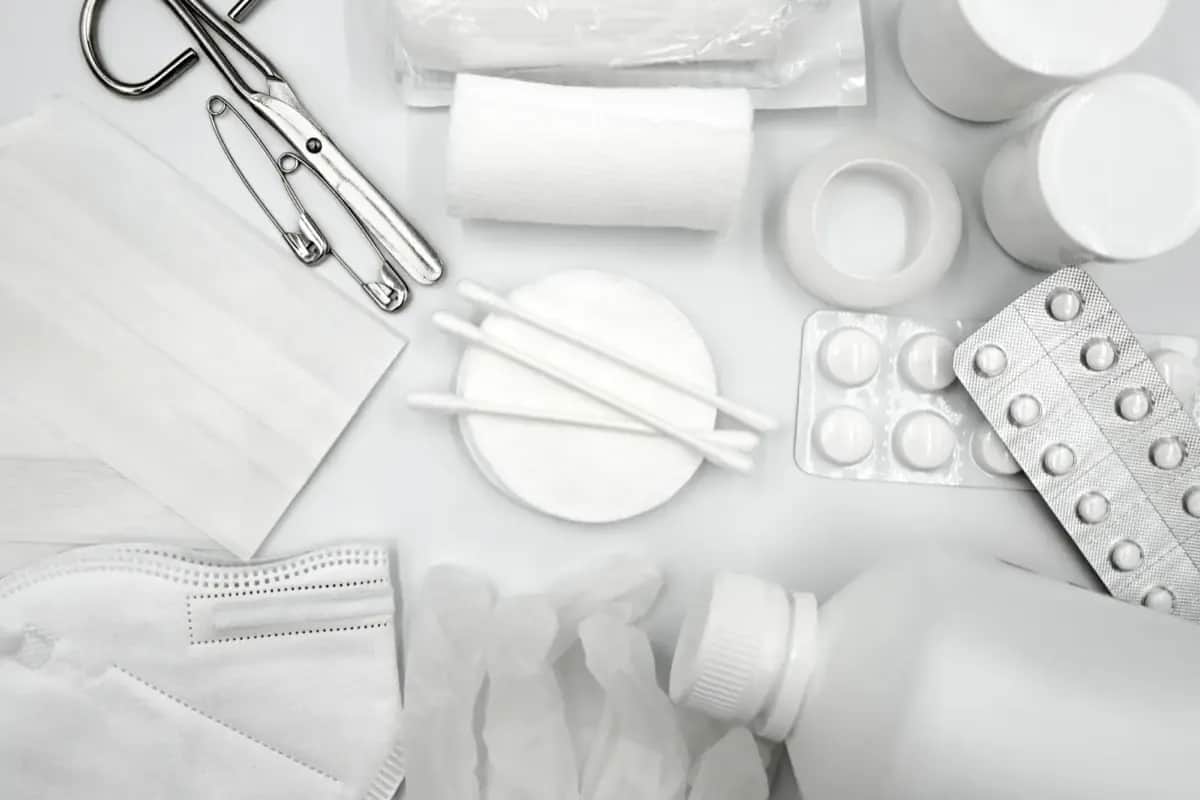
- Sterile wound dressings (various sizes): 20+ pieces
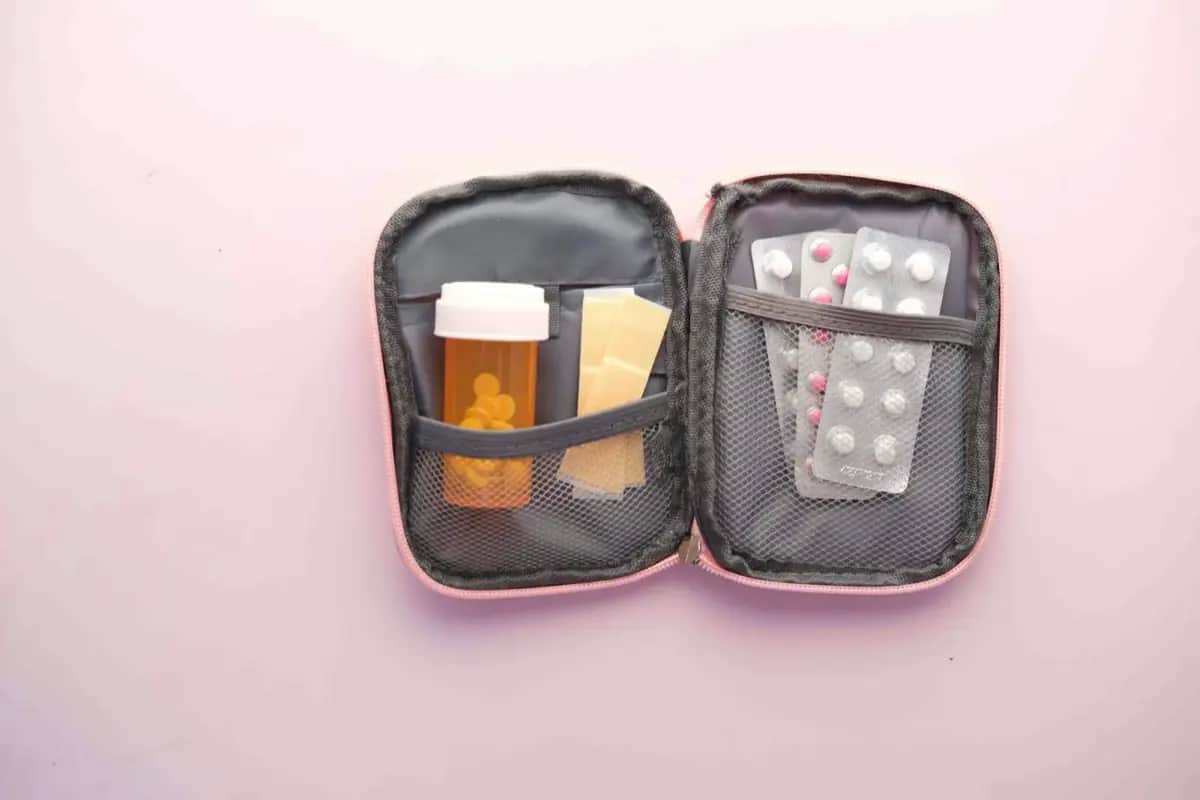
- Adhesive bandages (plasters): 50+ pieces in various sizes
- Medical tape: 2 rolls
- Sterile gauze pads: 20+ pieces
- Elastic bandages (Ace bandages): 2 pieces
- Sterile saline solution (for wound cleaning): 500ml+
- Antiseptic solution (chlorhexidine or povidone-iodine)
- Wound closure strips (Steri-Strips): 2 packs
Basic Instruments
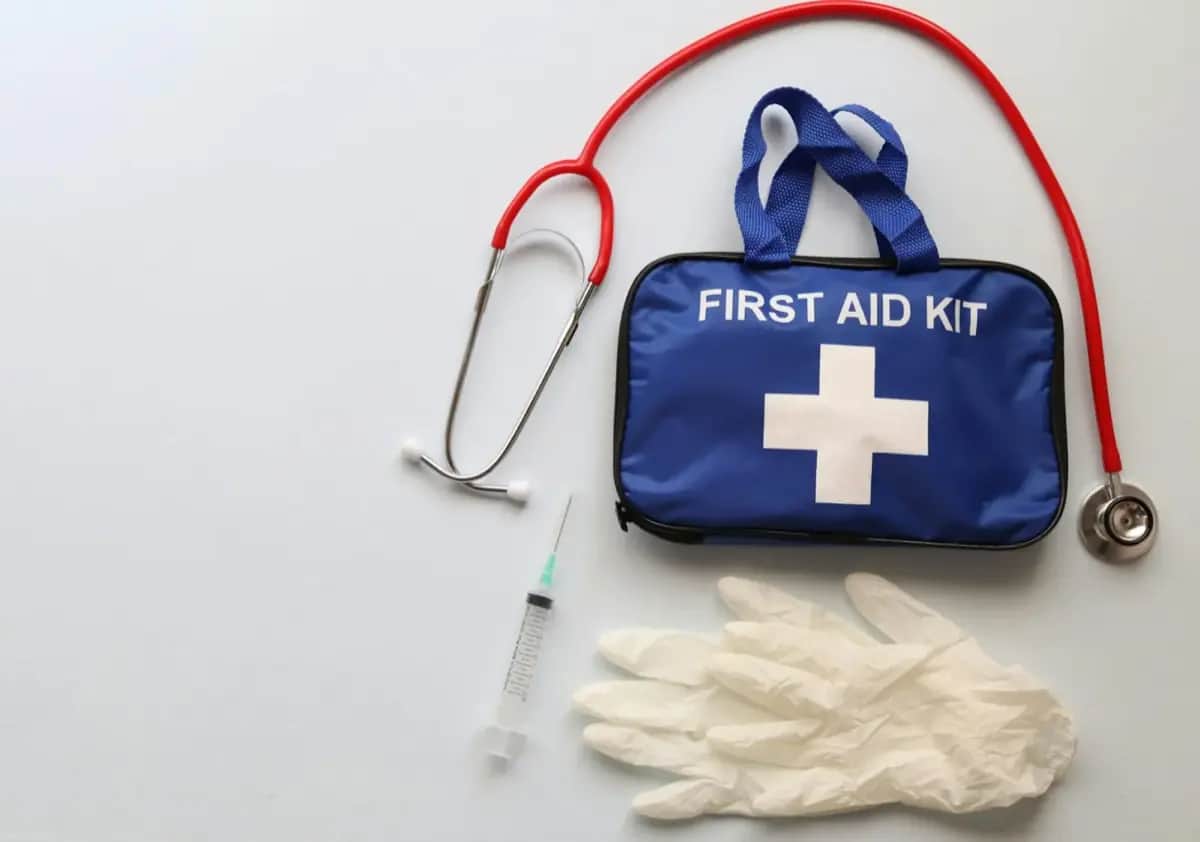
- Medical thermometer (non-mercury, with batteries)
- Scissors (blunt-tipped surgical type)
- Tweezers
- Disposable gloves (nitrile, 20+ pairs)
Tier 2: Important Additions
Gastrointestinal
- Oral rehydration salts (ORS): 10+ sachets — critical for diarrhea dehydration
- Activated charcoal (poisoning/overdose emergencies)
- Antidiarrheal medication (loperamide)
- Antacids (heartburn/indigestion)
Respiratory and Allergies
- Antihistamines (cetirizine or loratadine): For allergic reactions
- Decongestant nasal spray: Short-term use only
- Cough suppressant (dextromethorphan)
- Throat lozenges
Eye and Ear
- Sterile eye wash solution
- Ear drops (for minor ear infections or pain)
Skin
- Hydrocortisone cream 1% (minor skin irritation, insect bites)
- Antifungal cream (athlete's foot, minor fungal infections)
- Aloe vera gel (burns, sunburn)
- Calamine lotion (insect bites, minor rashes)
Tier 3: Crisis-Specific Additions
For Extended Emergencies
- Broad-spectrum antibiotics (if your doctor will prescribe a course for your emergency kit): Discuss with your physician
- Epinephrine auto-injector (EpiPen): Essential if anyone in household has known severe allergies
- Blood pressure medication: 30-day extra supply if anyone takes it regularly
- Diabetes supplies: Extra insulin, testing strips, lancets if applicable
Tools
- Blood pressure cuff (manual or digital): Critical for monitoring during stress
- Blood glucose meter with extra strips and lancets
- CPR mask/face shield
- Israeli bandage (pressure dressing for severe bleeding)
- Tourniquet (CAT or SOFTT-W): For life-threatening limb bleeding
What to Do About Prescription Medications
If you or household members take regular prescription medications, this is your top priority:
- Ask your doctor for a 90-day supply instead of 30-day (many will prescribe this for reasonable requests)
- Rotate your stock: Use the oldest pills first, replace them with the new prescription
- Store properly: Most medications need cool, dark, and dry conditions — not the steamy bathroom cabinet
- Keep a medication list: For each person: medication name, dosage, prescribing doctor, emergency contact
Expiration Dates: What You Actually Need to Know
Most medications remain effective well beyond their printed expiration date. Studies have shown many medications are still 90%+ effective 10-15 years after the printed date.
Exceptions — discard when expired:
- Liquid medications (antibiotics especially)
- Eye drops
- Nitroglycerin tablets
- Insulin
Generally safe past expiration:
- Aspirin, ibuprofen, paracetamol
- Antihistamines
- Most tablets and capsules
Storage Best Practices
- Not the bathroom: Heat and humidity accelerate degradation
- Cool, dark location: Bedroom closet shelf or dedicated storage box
- Locked if children present: All medications must be inaccessible to children
- Annual check: Every January, review expiration dates and restock
- Temperature-sensitive items: Check if refrigeration is required (note on packaging)
How Much to Stock
The minimum goal is 2 weeks of basic supplies. If you can, aim for 3 months of your family's regular medications plus 2 weeks of general supplies.
Think of it like car insurance: you hope you never need it, but when you do, having it is the difference between a manageable situation and a crisis.