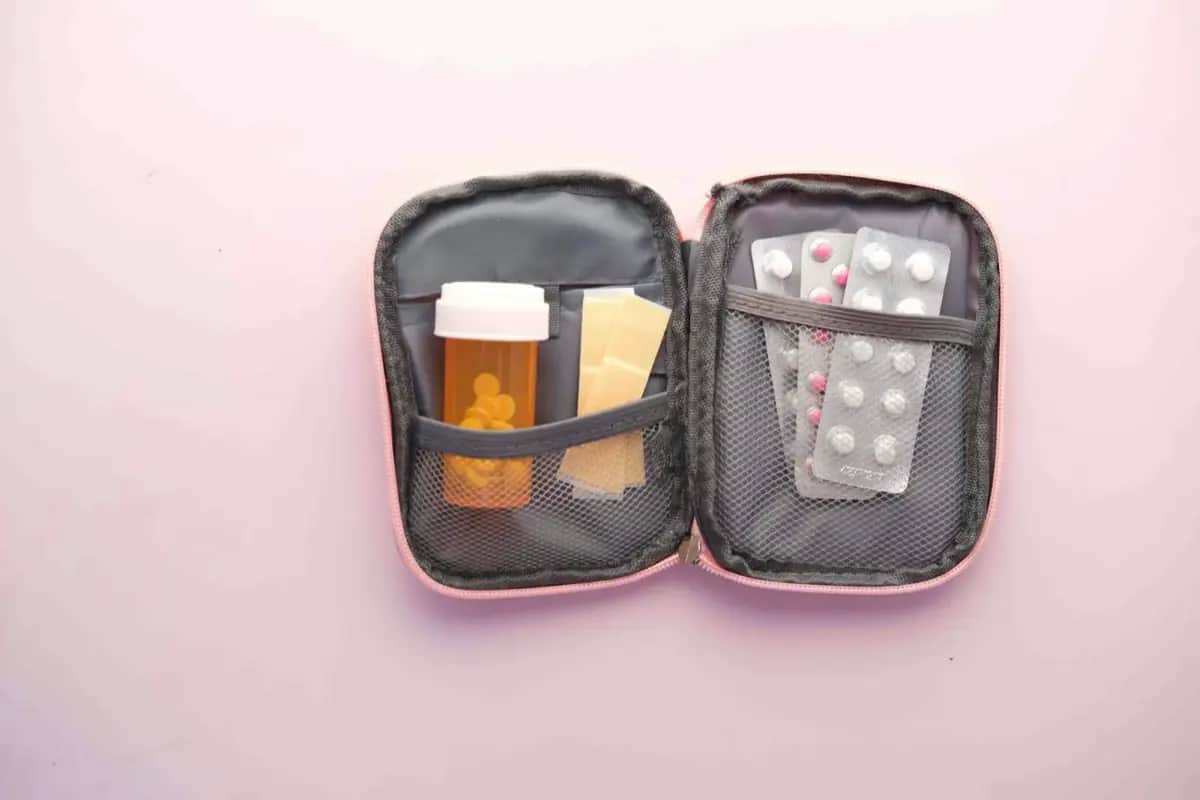
 Foto: Towfiqu barbhuiya / Pexels
First Aid in a Crisis: Medical Care When Help Is Far Away
Complete guide for first aid and medical care in crisis situations: home pharmacy, wound care, infection management, and when to seek professional help.
When Professional Help Is Not Coming
In most crises, emergency medical services remain available. But in severe infrastructure failures, natural disasters, or situations requiring shelter-in-place, the time between injury and professional care can stretch from minutes to hours or days.
This guide prepares you for the medical dimension of crisis preparedness: what to have on hand, how to use it, and how to recognize when a situation requires more than home treatment.
The Two Levels of Medical Preparedness
Level 1: Standard first aid For injuries and illnesses that could occur any day — cuts, burns, fractures, infections. Every household should maintain this level regardless of crisis preparedness.
Level 2: Extended care capability For situations where professional help is delayed or unavailable for 24–72+ hours. Requires additional training and supplies.
This guide covers both levels.
Your Home Pharmacy: What You Need
Pain and Fever Management
| Medication | Dose | Purpose | Quantity |
|---|---|---|---|
| Ibuprofen 400 mg | Adults: 1–3 × daily | Pain, fever, inflammation | 100 tablets |
| Paracetamol 500 mg | Adults: 1–3 × daily | Pain, fever (gentler on stomach) | 100 tablets |
| Aspirin 500 mg | Adults: 1–2 × daily | Pain, blood thinning | 50 tablets |
Note: Ibuprofen and paracetamol work differently and can be alternated for severe fever management.
Wound Care
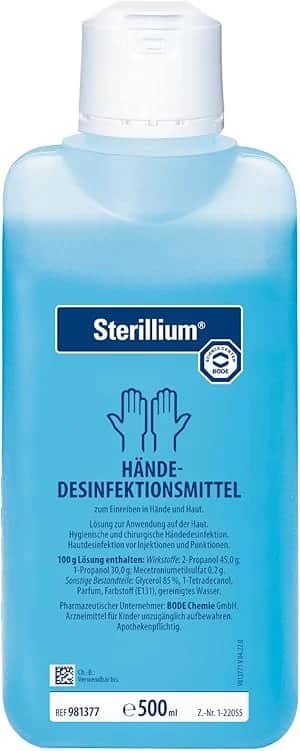
- Antiseptic solution (Betadine/povidone-iodine or chlorhexidine): 500 ml
- Sterile gauze pads (5×5 cm and 10×10 cm): 50 of each
- Elastic bandages (6 cm and 8 cm): 5 of each
- Adhesive bandages (assorted sizes): 100 pieces
- Medical tape (2 rolls)
- Wound closure strips (steri-strips): 20 packs
- Triangular bandages: 4
- Nitrile gloves: 2 boxes
Infection and Illness
- Antibiotic eye drops (consult pharmacist): 1 tube
- Antifungal cream (clotrimazole): 1 tube
- Antihistamine tablets (cetirizin 10 mg): 30 tablets
- Oral rehydration salts: 20 sachets
- Activated charcoal tablets: 20 tablets (food poisoning)
- Loperamide (anti-diarrheal): 20 tablets
Specialty Items
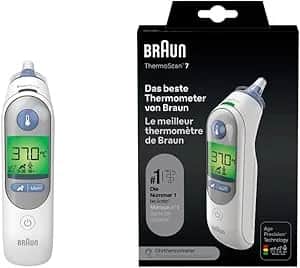
- Oral thermometer (digital)
- Blood pressure cuff
- Pulse oximeter
- SAM splint (moldable aluminum splint): 2
- Israeli bandage or emergency pressure dressing: 2
- Tourniquet (CAT or similar): 1
- Hemostatic gauze (QuikClot or similar): 2 packs
- Tweezers (splinter and tick removal)
- Medical scissors
Wound Care: Step by Step
Minor Wounds (cuts, scrapes)
- Stop bleeding: Direct pressure for 3–5 minutes
- Clean: Rinse with clean water for 5+ minutes
- Disinfect: Apply antiseptic to wound margins (not deep inside wound)
- Close: Adhesive bandage or wound closure strips
- Monitor: Check daily for signs of infection
Signs of Wound Infection (require attention)
- Increasing redness around wound
- Warmth and swelling
- Purulent (pus) discharge
- Red streaks spreading from wound
- Fever above 38°C associated with wound
Red streaks from a wound (lymphangitis) are a medical emergency. They indicate spreading infection. This requires antibiotics and possibly hospital care.
Larger Wounds
- Control bleeding (direct pressure, tourniquet for extremity if necessary)
- Do not remove deeply embedded objects — stabilize them
- Cover with sterile dressing
- Seek medical care as soon as possible
Burns
Burn Classification
First degree: Red, painful, no blisters (sunburn level) Second degree: Blisters, intense pain Third degree: White or charred skin, may be painless (nerve damage)
Treatment
First degree:
- Cool with room-temperature water for 10–20 minutes
- Do NOT use ice, butter, or toothpaste
- Cover loosely with sterile dressing
- Ibuprofen for pain
Second degree:
- Cool water for 10–20 minutes
- Do NOT burst blisters
- Cover loosely — avoid pressure
- Seek medical care if larger than palm-sized or on face/hands/genitals
Third degree:
- Call 911 immediately
- Cover loosely with clean cloth
- No water or ointments
- Treat for shock
Fractures and Sprains
How to Tell
Fracture indicators: audible snap, significant deformity, inability to bear weight, extreme tenderness. Sprain indicators: pain with movement, swelling, bruising.
When uncertain: treat as fracture.
Fracture First Aid
- Immobilize in current position — do not straighten
- Apply SAM splint or improvise (straight stick + padding + wrap)
- Check circulation below injury (pulse, sensation, color)
- Ice pack (wrapped in cloth, 20 minutes on / 20 off)
- Transport to medical care
When to Absolutely Seek Professional Care
These signs require emergency services regardless of crisis:
- Unconsciousness or altered mental status
- Difficulty breathing
- Chest pain
- Suspected spinal injury
- Head injury with confusion or vomiting
- Major blood loss
- Burns covering large area or involving face/airways
- Anaphylaxis
- Suspected heart attack or stroke
Basic Training Recommendation
Medical supplies without training are of limited value. The minimum training every household should have:
- Standard First Aid course (Red Cross or equivalent): 1 day, covers CPR, choking, basic wound care
- Stop the Bleed training: 2 hours, focuses on hemorrhage control
- CPR certification: Ideally refreshed every 2 years
Knowledge doesn't expire and doesn't need storage space.
Recommended Products
As an Amazon Associate we earn from qualifying purchases. Buying through our links supports the development of this app at no extra cost to you.